 Religious News

Egypt’s Dar Al-Iftaa clarified the ruling on visiting graves on Fridays, affirming that this day carries special blessings and increased reward for those who visit and pray for their deceased loved ones.

Egypt’s Friday sermon sheds light on the growing dangers of bullying and its devastating impact on individuals and society, urging kindness, empathy, and moral awareness as foundations for a strong and harmonious nation.
On the third Friday of Rabi’ al-Thani, Muslims draw closer to Allah through heartfelt prayers and remembrance, seeking the blessed hour of response when divine mercy and forgiveness descend upon the believers.

Aqeeqah is a Sunnah act of gratitude for a newborn, yet some common mistakes—like sacrificing a young calf—may nullify its reward.

Egypt’s Dar Al-Ifta clarified several common religious questions including praying with perfume, giving charity with multiple intentions, and delaying prayer due to the state of major impurity (janabah).

Following the directives of the Grand Imam of Al-Azhar, the sector completed extensive field missions in Sohag and Dakahlia to ensure discipline and high-quality educational performance.

Bedtime supplications calm the soul and bring serenity before rest, reminding believers of God’s mercy and the blessing of another day of life.

Dar Al-Ifta has warned against invading people’s privacy or exposing their secrets, stressing that such behavior is religiously forbidden and legally punishable.

Morning Azkar are not mere words — they are a shield of light that guards the believer, fills the heart with peace, and brings divine blessings from dawn to dusk.

An Al-Azhar professor explains that a woman’s marriage without a guardian is invalid in Islam, citing Quranic and prophetic evidence and emphasizing the moral and social consequences.
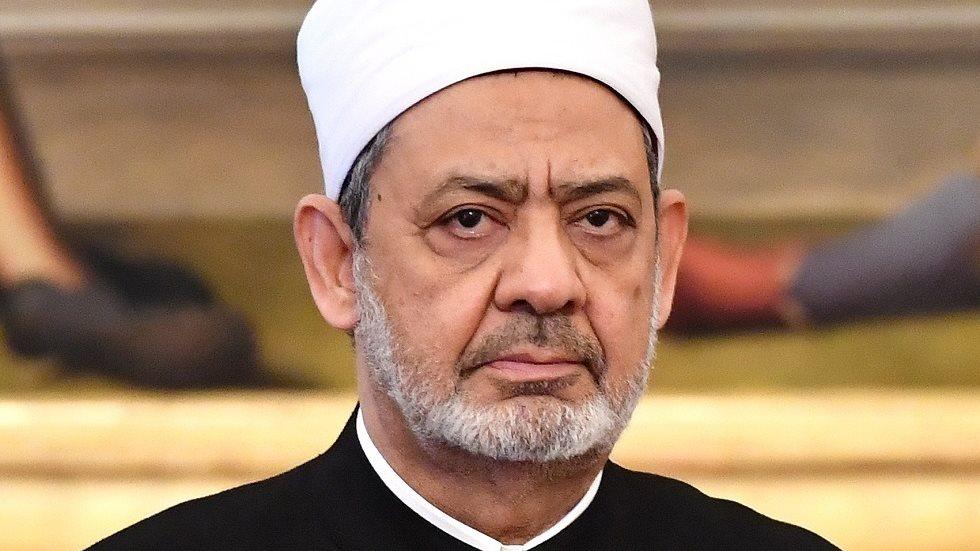
The Muslim Council of Elders, chaired by Grand Imam Ahmed Al-Tayeb, welcomes the Gaza ceasefire agreement, describing it as a crucial step toward ending the suffering of civilians and supporting a just and lasting peace.

Dar al-Ifta emphasized that marriage in Islam is a sacred covenant and an act of worship that achieves balance between body and soul, aiming to build a righteous family founded on love, mercy, and stability.
