The Grand Egyptian Museum to Open in July... and Planning: Tourism Boosts Economic Growth
رانيا المشاط: الوظائف طريق الرخاء
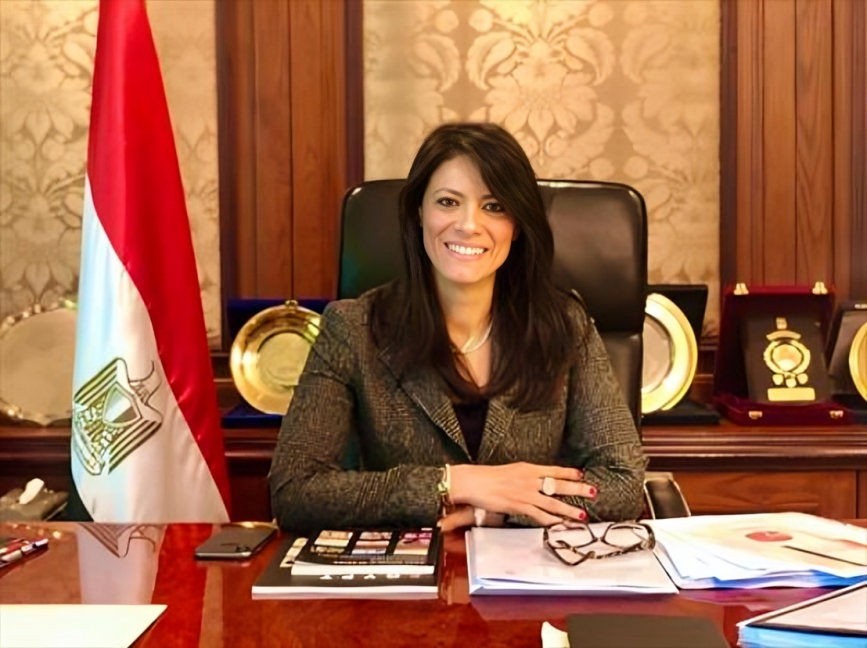

Rania Al-Mashat: Economic Stability and Human Empowerment Are Key to Job Creation and Sustainable Development
Dr. Rania Al-Mashat, Minister of Planning and Economic Development, Minister of International Cooperation, and Egypt’s Governor at the World Bank, participated in a high-level session titled "Jobs… The Path to Prosperity," organized by the World Bank during its annual meetings. The session was attended by prominent thought leaders, policymakers, and international economic experts.
The session was attended by Ajay Banga, President of the World Bank; Michelle Bachelet, former President of Chile; Tharman Shanmugaratnam, President of Singapore; Doug Peterson, Special Advisor and Former CEO of Standard & Poor's Global; and Dilhan Pillay, CEO of Temasek, reflecting the global interest in employment and economic development issues.
In her speech, Al-Mashat emphasized that economic infrastructure alone is not enough to achieve prosperity; it must be integrated with macroeconomic stability. She noted that the ability to predict policies is a key element for empowering the private sector and driving its growth, thus contributing effectively to job creation. She added that the Egyptian government places great emphasis on expanding the economic participation of the private sector through an attractive and stimulating regulatory environment.
Green Transformation and Structural Reform: Pillars of Development
The minister stressed the importance of continuing to implement structural reforms that remove barriers to investment and enhance economic competitiveness, especially in light of global geopolitical and economic changes. She affirmed that green transformation is now a necessity, not an option, and that supporting renewable energy and environmental sustainability contributes to the creation of new and quality jobs.
Skills Development and Linking Education to the Labor Market
Al-Mashat explained that the Egyptian vision focuses on empowering youth through technical and vocational education and linking education outcomes to the needs of the private sector. She pointed to initiatives that connect vocational schools with industrial companies in various sectors. She added that building human capital through skills and capabilities development is a long-term investment in community stability and well-being.
Development Finance and Attracting Investments
The minister spoke about the importance of diversifying funding sources to implement development projects, noting the need for a comprehensive financing framework that combines foreign direct investments, local financing, and the use of modern financial tools such as debt swaps and sovereign guarantees, which enhance the ability of developing countries to implement their development programs.
Governance and Decision-Making Speed
Al-Mashat emphasized that governments are now required to move faster than before to keep pace with rapid changes, explaining that quick decision-making and effective implementation of economic policies have become crucial in the race to attract investments and achieve progress.
Tourism: A Gateway to Development and Employment
The minister highlighted that the tourism sector represents an important economic pillar, as it has a multiplying effect on the labor market, with every direct job in tourism generating approximately four indirect jobs. She pointed out that tourism not only creates job opportunities but also enhances cultural dialogue, peace, and understanding between nations.
Al-Mashat announced the upcoming opening of the Grand Egyptian Museum in July, describing it as a massive national project that enhances Egypt's tourism appeal. She affirmed that Egypt possesses significant assets, including tourism infrastructure, skilled labor, and unique archaeological sites, making it a promising destination for tourism investment.
Tourism: An Investment in People and Society
She concluded her speech by noting that investment in tourism goes beyond spending on infrastructure or services; it is an investment in the Egyptian people themselves, through improving the quality of education and training and raising the efficiency of workers, which in turn reflects on living standards and strengthens overall economic development.
Profile: Dr. Rania Al-Mashat
Dr. Rania Al-Mashat is one of the leading economic figures in Egypt and the Arab world. She holds the position of Minister of Planning and Economic Development, as well as Egypt’s Governor at the World Bank. She earned a Ph.D. in Economics from the University of Maryland, USA, and has extensive experience in macroeconomics, monetary policy, and international cooperation.
Before assuming her current ministerial role, she held several high-ranking positions, including Economic Advisor at the International Monetary Fund, Deputy Director at the Central Bank of Egypt, and Minister of Tourism. Al-Mashat is known for her ambitious vision for economic reform in Egypt and her commitment to integrating sustainable development goals into Egypt’s government plans, alongside her prominent role in strengthening Egypt's economic relations with its international partners.
Counselor Mohamed Mabrouk provides legal consultations in commercial law and business companies, including commercial contract review, partnership disputes, and commercial conflicts, helping business owners understand their legal positions and available options.

Learn about organized and terrorism-related crimes, their legal aspects, and the importance of reviewing evidence and procedures with Consultant Ahmed Gomaa.

Discover an easy way to record debts and identify whether money is owed to you or by you with BNB Dafatery.

Learn about criminal cases at different levels, including felonies, misdemeanors, and appeals, with Abbas Moussa Kamel in Hurghada.
