
Many people assume that constant fatigue or shortness of breath is a normal part of aging. However, medically speaking, these symptoms may signal a serious underlying condition known as heart failure.
Heart failure occurs when the heart muscle becomes weakened or damaged, reducing its ability to pump blood effectively to meet the body’s oxygen needs. The most common causes include coronary artery disease, heart attacks, chronic hypertension, and heart valve disorders.
Early Warning Signs You Should Not Ignore
- Persistent fatigue: Due to reduced oxygen supply to the body.
- Reduced physical capacity: Difficulty performing simple daily tasks.
- Shortness of breath: Especially when lying down or during light activity.
- Lung congestion: May cause coughing or wheezing.
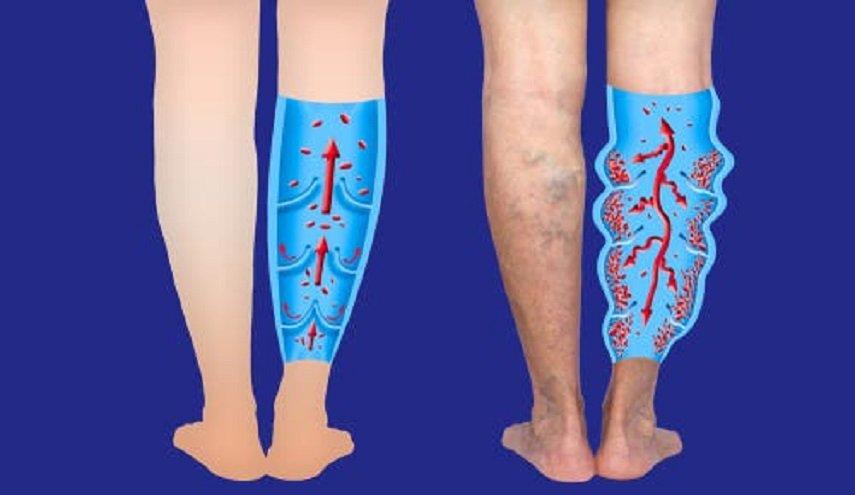
- Swelling in extremities: Fluid retention in legs, ankles, or abdomen.
How Heart Failure is Diagnosed
Doctors rely on several tools such as:
- Echocardiogram (heart ultrasound)
- Blood tests for cardiac stress markers
- Assessment of pumping efficiency and valve function
Treatment Options
Heart failure cannot usually be fully cured, but it can be managed through:
- Heart medications
- Lifestyle changes
- Reducing salt and unhealthy fats
- Continuous medical monitoring
- In some cases, surgery or medical devices
Medications That May Worsen the Condition
- NSAID painkillers
- Cold and heartburn medicines containing sodium
- Certain herbal supplements that may interfere with heart drugs
📌 For more details and latest updates, follow Egypt Connect