
Blood clots are serious medical conditions that can form abnormally within blood vessels, obstructing blood flow and potentially traveling to vital organs, making them a medical emergency that requires prompt intervention to avoid complications.
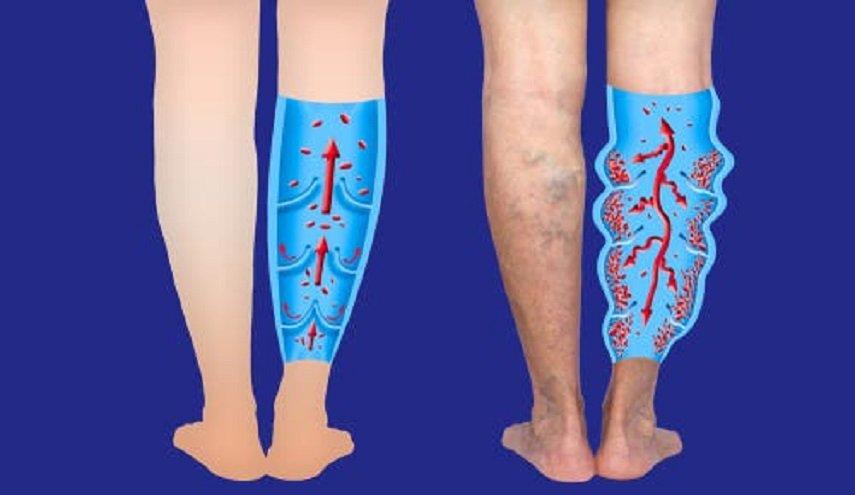
Symptoms vary depending on the location of the clot, but there are several common warning signs that may indicate its presence. One of the most noticeable is swelling in one limb, such as the leg or arm, caused by restricted blood flow and increased pressure within the veins, leading to fluid accumulation in surrounding tissues.
Pain in the affected limb is another key symptom, often presenting as a gradual throbbing or cramping pain, commonly in the calf or thigh, and sometimes in the arm. If the clot is located in an artery, it may reduce oxygen supply to the tissues, resulting in deeper muscle pain.
Changes in skin color are also possible, where the skin may appear red or bluish due to impaired blood circulation or reduced oxygen supply to the tissues.
In more severe cases, sudden and intense chest pain may occur, especially in pulmonary embolism or when a clot affects the coronary arteries. This pain typically does not improve with rest and may worsen with deep breathing.
Shortness of breath is another common symptom, which may appear suddenly in pulmonary embolism or be associated with other symptoms such as sweating or nausea in cases of heart attack.
An unexplained cough may also occur due to the clot’s impact on the blood vessels in the lungs, along with a rapid heartbeat as the body attempts to compensate for reduced oxygen levels.
Dizziness or lightheadedness is another warning sign that should not be ignored, as it may indicate reduced blood flow to vital organs, and in severe cases, it may lead to fainting.
If any of these symptoms appear—especially if sudden or severe—it is crucial to seek emergency medical care immediately, particularly in the presence of chest pain, difficulty breathing, or swelling accompanied by pain and warmth in the limbs.
For more details and the latest updates, follow Egypt Connect