Feeling Hot Despite the Cold? 8 Medical Reasons That Reveal the Secret Behind Your Constant Body Heat
Some people experience constant body heat even during cold weather—a symptom often linked to hormonal changes, medications, or underlying health conditions.


While many seek warmth during winter, others struggle with persistent feelings of heat regardless of the temperature outside. Health experts emphasize that this sensation often indicates internal factors affecting the body’s temperature regulation system, ranging from hormonal imbalances to chronic illnesses or medication side effects.
According to “Very Well Health,” eight key medical reasons may explain this ongoing sensation:
1. Hyperthyroidism
An overactive thyroid increases metabolic activity, leading to sensations of heat, rapid heartbeat, and changes in energy levels.
2. Pregnancy
Rising estrogen and progesterone levels, alongside increased blood flow, make pregnant women more prone to feeling warm.
Symptoms generally disappear after childbirth. Light clothing, hydration, and breathable fabrics can help ease the discomfort.
3. Menopause
Declining hormone levels trigger hot flashes.
Managing symptoms may involve maintaining a healthy weight, avoiding caffeine and spicy foods, wearing removable layers, and considering hormone replacement therapy.
4. Medications Affecting Temperature Regulation
Some medications may disrupt the body’s cooling mechanisms, including:
-
Antihistamines
-
Diuretics
-
Blood pressure medications
-
Antidepressants
Doctors may adjust doses if needed.
5. Anxiety Disorders
Anxiety affects millions worldwide and can lead to excessive sweating and heat sensations.
Cognitive behavioral therapy, reducing caffeine, and adequate sleep can help.
6. Diabetes
People with diabetes often have increased heat sensitivity due to:
Nerve and blood vessel damage affecting sweat glands, dehydration caused by high glucose levels, and fluid loss.
Hydration and avoiding heat exposure can reduce discomfort.
7. Dehydration
Occurs when the body loses more fluids than it takes in. Symptoms include thirst, fatigue, dizziness, and headache.
Severe dehydration may cause confusion or loss of consciousness and requires immediate medical attention.
8. When to See a Doctor
If the sensation is new, worsening, or interfering with daily activities, medical evaluation is necessary to identify the cause and appropriate treatment.

Dr. Mohamed Azmy provides services focused on improving skin radiance and appearance through modern aesthetic medicine and proper nutrition, with an assessment of each case and discussion of suitable skincare and aesthetic options.

Learn about the diagnosis and treatment services for menstrual problems, fertility issues, and delayed pregnancy with Dr. Amr Mostafa Salheen in Assiut.
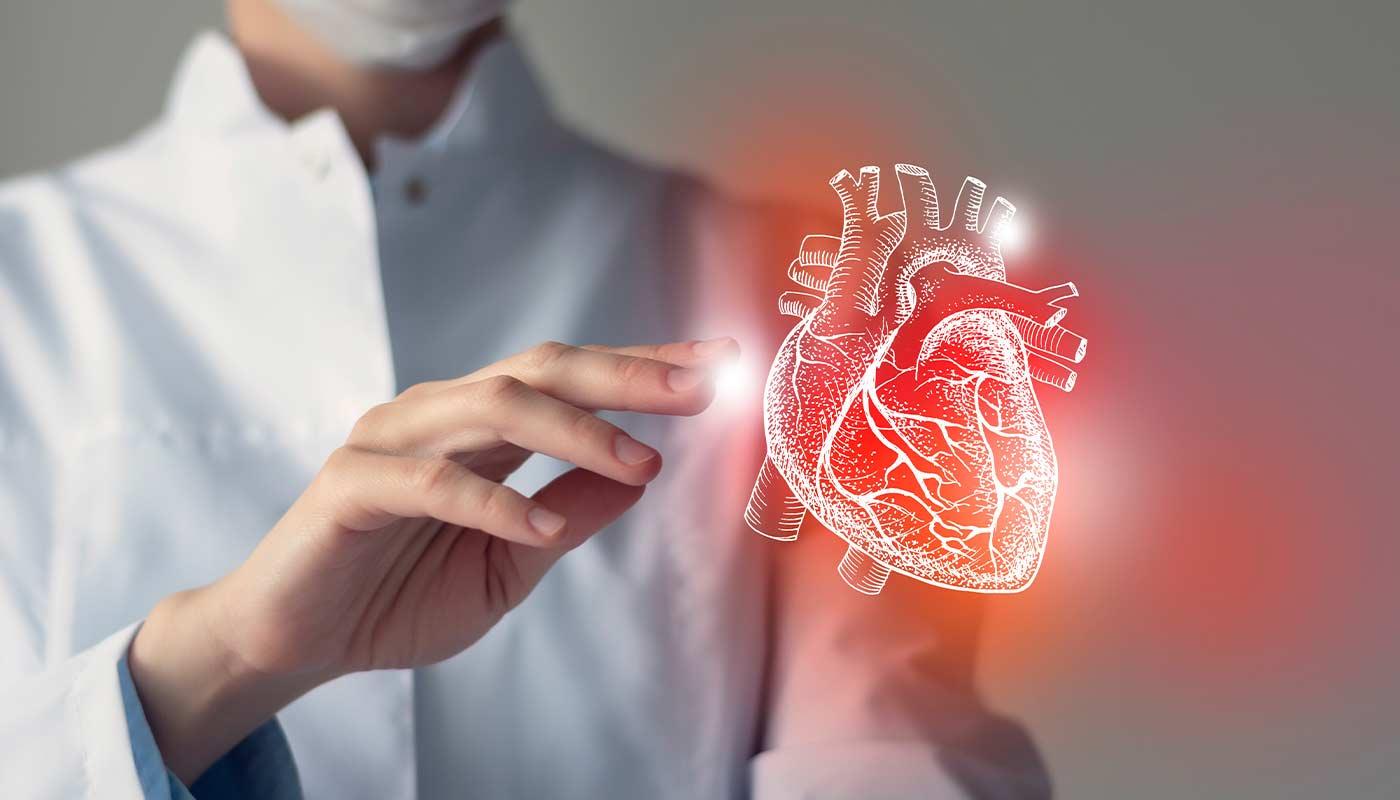
Dr. Youssef Abdel Moneim provides medical evaluation and follow-up for coronary artery disease, including assessment of symptoms such as chest pain, shortness of breath, and fatigue during physical activity, as well as cardiovascular risk factors and appropriate examinations.

Dr. Hatem Anwar Ismail Clinic explains the connection between mental and physical illnesses, including how psychological conditions may affect the body and how physical illnesses can influence mental well-being, with assessment based on each patient's symptoms and medical history.
