How to Protect Yourself from Carbon Monoxide Poisoning: Essential Home Safety Tips
Carbon monoxide poisoning is a silent threat in homes. Learn the warning signs, potential sources, and crucial prevention measures to stay safe.

Carbon monoxide (CO) is a colorless, odorless gas that blocks oxygen from reaching the bloodstream. Exposure to high levels can cause rapid poisoning, while lower levels may produce gradual symptoms such as headache, nausea, and shortness of breath, which can escalate to dizziness, fainting, and confusion.
Potential Household Sources:
-
Gas heaters and stoves
-
Gas ovens and grills
-
Small engines and vehicles
-
Home heating systems
Prevention Tips:
-
Regular Maintenance: Inspect gas heaters, ovens, and chimneys before winter.
-
Use Appliances Wisely: Only use certified devices with proper ventilation. Never use gas ovens or dryers for heating.
-
Ventilation: Keep windows and doors open to ensure airflow, and wear safety equipment if necessary.
-
Install CO Detectors: CO detectors provide early warning of dangerous gas levels.
-
Immediate Action: If symptoms appear, move to fresh air immediately and seek medical help.
Following these safety measures can protect your household from hidden carbon monoxide hazards.
For more details and the latest medical news, follow Misr Connect
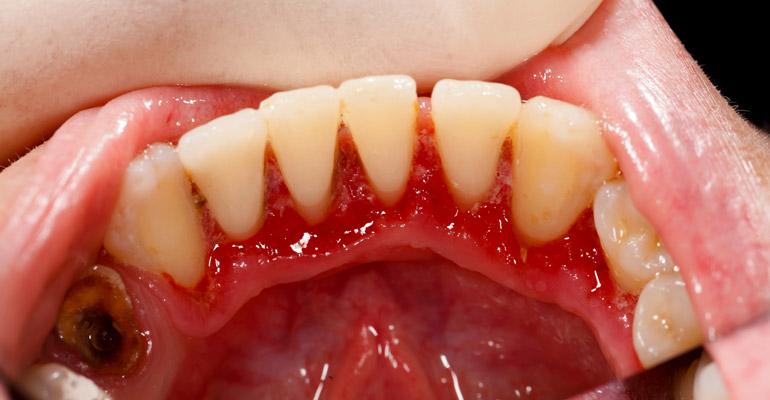
Gum problems and treatment is one of the most common topics in dentistry, as gum disease often starts mildly and progresses silently without obvious pain in the early stages, making many patients unaware until it becomes more advanced.
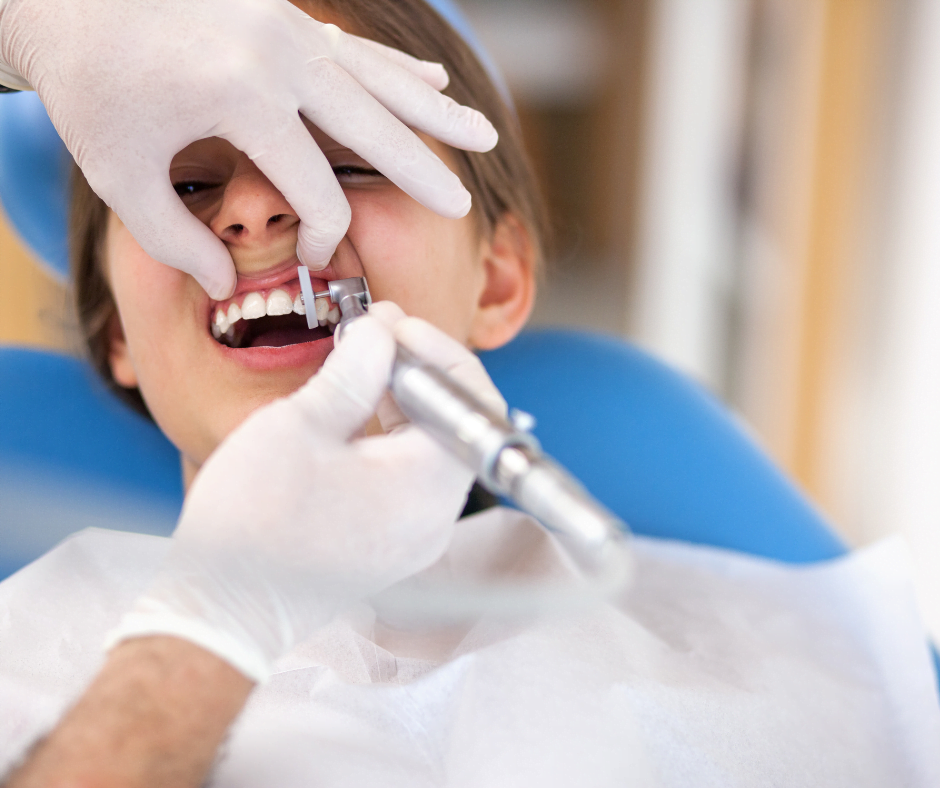
Many people believe that professional teeth cleaning may weaken or damage the teeth, especially after tartar removal. This leads to a common question: Does teeth cleaning weaken teeth?
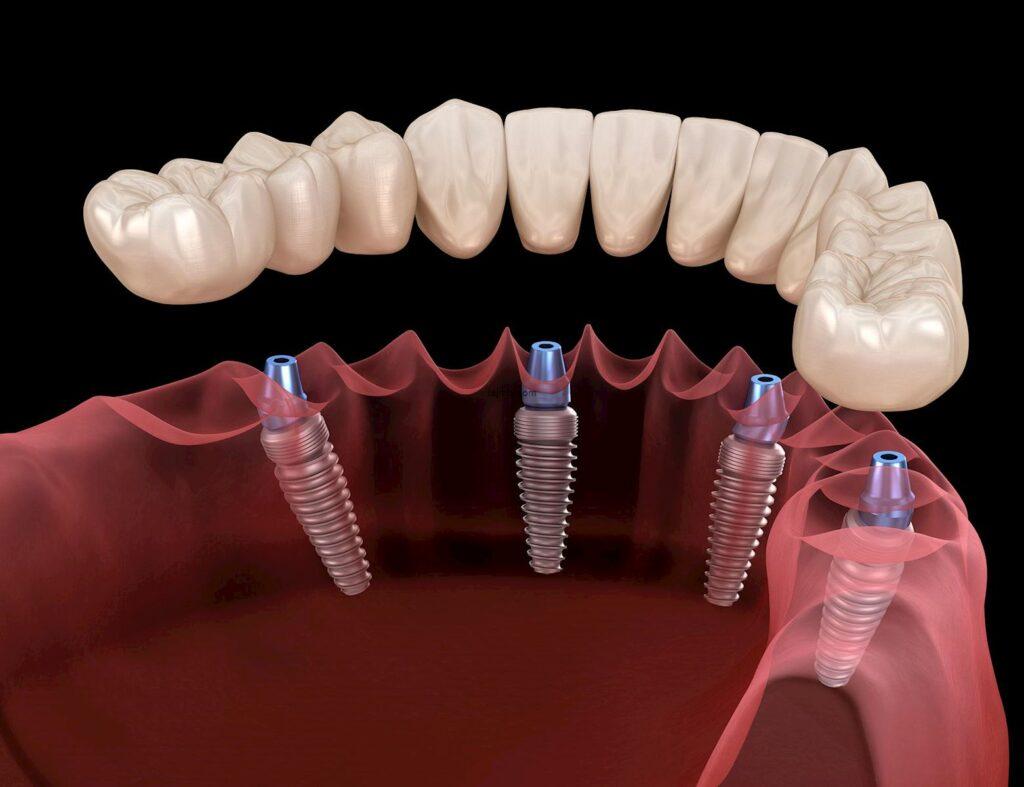
Dental implants are one of the best modern solutions for replacing missing teeth and restoring natural appearance and chewing function. With the development of dentistry in Egypt, the most common question has become: How much do dental implants cost in Egypt?

Sudden tooth pain is one of the most uncomfortable types of pain because it can appear without warning and affect eating, sleeping, and daily focus. In many cases, it signals an underlying dental problem that needs quick treatment before it gets worse.
