Nail Lunula: Early Indicator of Heart and Kidney Health
The small lunula at the base of nails can reflect potential issues in circulation, heart, kidneys, or nutritional deficiencies when its color or size changes.
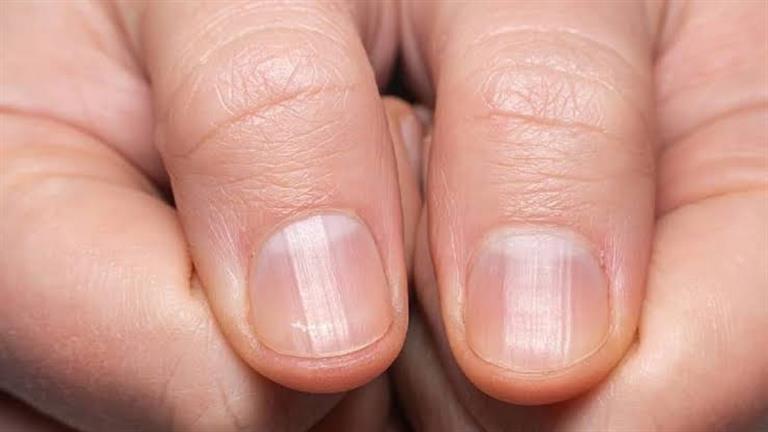

The small crescent at the base of the nails, called the Lunula, may seem decorative, but it provides insights into overall health. Located near the nail matrix where new cells form, its size and color reflect circulation, metabolism, and organ function.
While having a lunula or not is generally normal, sudden changes such as disappearance or color shifts to blue, red, or yellow can signal health issues like anemia, poor circulation, thyroid disorders, chronic kidney disease, protein or vitamin B12 deficiencies.
A bluish or purplish lunula may indicate cardiovascular or circulatory problems, red can be linked to autoimmune or heart issues, and yellow might suggest jaundice or nail infections. A very large lunula sometimes appears with high blood pressure or stress, while a very small lunula may indicate oxygen or iron deficiency.
A healthy lunula is pale, semicircular, uniformly colored, and free of sharp edges or irregular lines, most visible on the thumb and smaller on other fingers. A balanced diet rich in iron, protein, and vitamins supports healthy nail growth and lunula appearance.
Question: When should changes in the lunula be a concern?
Answer: Sudden color or shape changes, or lunula disappearance combined with fatigue, shortness of breath, or swelling, warrant a medical consultation for thyroid, heart, and anemia testing, as they may indicate early health problems.
Nails cannot diagnose diseases alone, but monitoring the lunula offers early warning signs and contributes to overall health awareness.
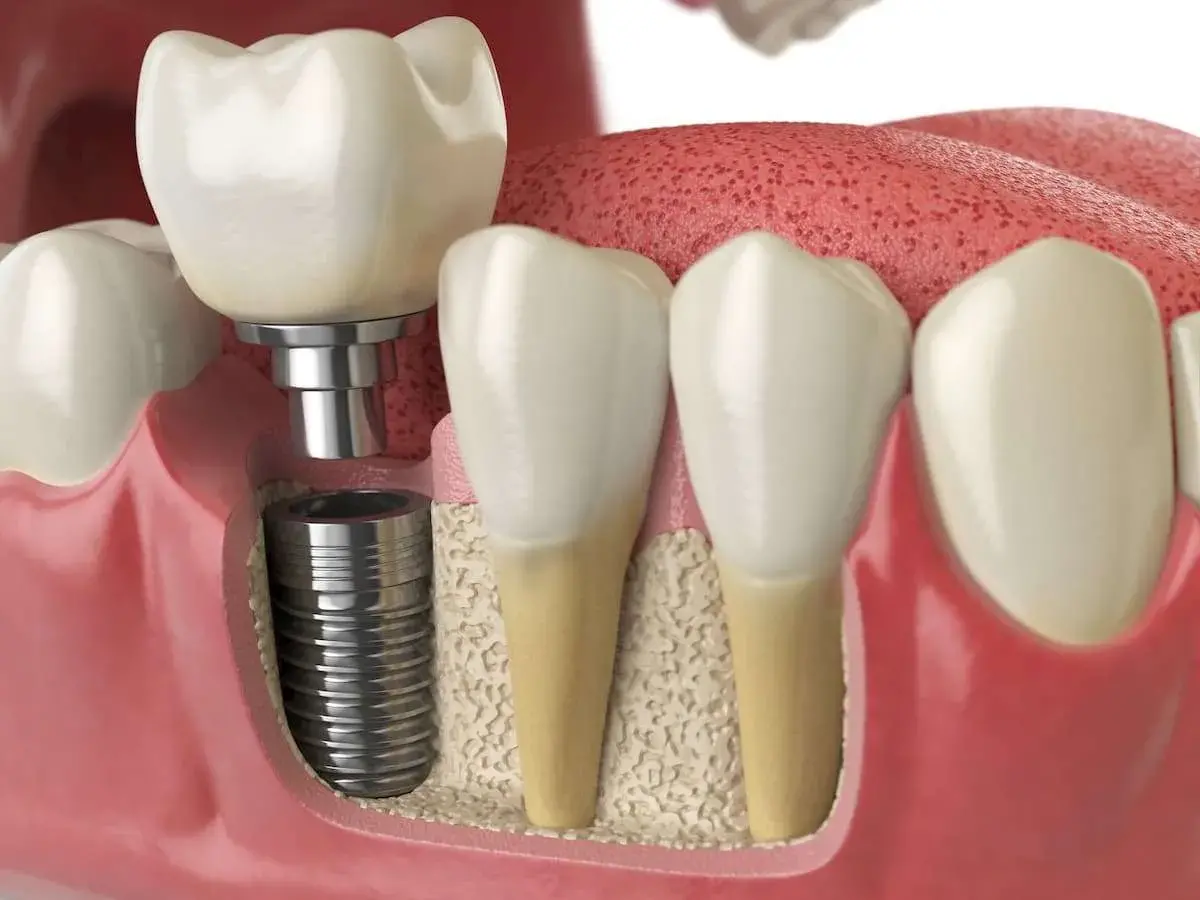
Learn the difference between immediate and traditional dental implants with Dr. Abdelmagid Nabil in Giza, and discover the advantages, disadvantages, and the best option for your dental condition to restore a natural and confident smile.

Dr. Rehab Helmy offers premarital and newlywed counseling sessions in Giza and Haram to help couples build healthy, stable relationships based on communication, understanding, and emotional support.

However, the psychological and educational truth is that the issue is far deeper than simple “lying,” and rushing to judge a child may worsen the situation instead of solving it.

Hypertension, also known as high blood pressure, is one of the most common chronic diseases worldwide. It is often called the “silent killer” because it may develop without noticeable symptoms while gradually damaging the heart, brain, kidneys, and blood vessels.
