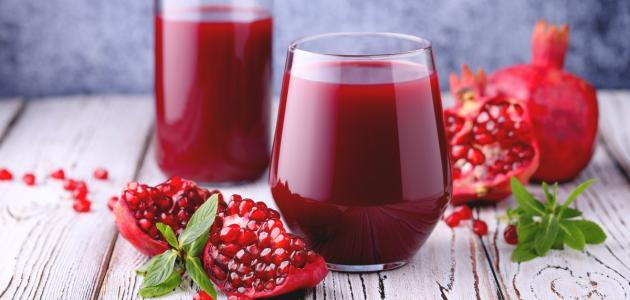

Pomegranate juice is rich in polyphenols and natural nitrates, supporting blood vessel function, reducing oxidative stress in cells, and boosting nitric oxide production, which relaxes smooth muscles and gradually lowers blood pressure.
Consistency over timing:
Clinical studies show health and blood pressure improvements occur gradually over weeks of regular intake. No evidence suggests a specific time of day provides greater benefit.
Drinking with meals:
Consuming juice with a main meal slows sugar absorption, helping stabilize blood glucose levels—important for those with sugar regulation issues or cardiovascular risk. Moderate intake reduces unwanted side effects.
Effect on muscle recovery:
Intense exercise increases oxidative stress in muscles, causing soreness and delayed recovery. Antioxidants in pomegranate help reduce this stress, supporting strength and performance restoration. Studies show improved recovery markers in athletes consuming pomegranate around exercise periods.
Post-workout timing:
Drinking juice 1–2 hours after exercise supports muscle repair during the rebuilding phase. It can also be consumed pre-workout to enhance blood flow to muscles via nitrates, potentially boosting performance.
Daily recommended amount:
120–240 ml per day is sufficient for most adults. Dilution with water or consuming whole pomegranate seeds can reduce sugar absorption and add fiber.
Groups requiring caution:
-
Diabetic individuals should monitor glucose response.
-
Kidney patients due to potassium content.
-
Those on blood thinners or medications affecting blood pressure/potassium balance.
-
Digestively sensitive individuals should start with small doses and monitor response.
For more details and the latest news, follow Masr Connect