
Risks of Delaying Inguinal Hernia Surgery and the Importance of Early Intervention
Inguinal hernia is considered one of the most common types of hernias among men, although women can also develop it to a lesser extent. It occurs when part of the intestine or fatty tissue protrudes through a weak spot in the abdominal wall near the groin area, causing a visible bulge or swelling that may increase with movement, coughing, or lifting heavy objects.
Although some patients ignore the symptoms of an inguinal hernia for long periods, delaying inguinal hernia surgery can lead to serious complications that may affect the patient’s overall health and sometimes require emergency surgical intervention. Therefore, early diagnosis and timely treatment are always recommended to avoid future complications.

What Is an Inguinal Hernia?
An inguinal hernia occurs when a part of the intestine or internal tissue pushes through a weak area in the abdominal muscles near the groin. The hernia may appear as a noticeable bulge that sometimes disappears when lying down and becomes more visible when standing or exerting physical effort.
The severity of an inguinal hernia varies from one patient to another. Some cases may start mildly, while others can rapidly worsen, causing severe pain and dangerous complications if left untreated.
Causes of Inguinal Hernia
Several factors may increase the risk of developing an inguinal hernia, including:
- Weak abdominal wall muscles.
- Frequently lifting heavy objects.
- Chronic coughing.
- Chronic constipation and straining during bowel movements.
- Obesity and excess weight.
- Aging.
- Family history of hernia.
Symptoms of Inguinal Hernia
The symptoms of an inguinal hernia may vary depending on the size and severity of the condition. Common symptoms include:
- A bulge or swelling in the groin area.
- Pain or heaviness, especially while standing or moving.
- Increased swelling during coughing or physical activity.
- A burning sensation or pressure in the affected area.
- Sudden severe pain in advanced cases.
Risks of Delaying Inguinal Hernia Surgery
Some patients believe that an inguinal hernia is a simple condition that can be ignored, but delaying treatment can lead to serious health complications, including:
1- Enlargement of the Hernia Over Time
Continuous pressure on the abdominal wall may cause the hernia to increase in size gradually, making surgical repair more difficult and extending the recovery period.
2- Chronic Pain
Mild discomfort may develop into persistent pain that affects daily activities, movement, and the ability to work, especially during prolonged standing or physical exertion.
3- Strangulated Hernia
A strangulated hernia is one of the most dangerous complications. It occurs when part of the intestine becomes trapped inside the hernia, cutting off its blood supply. This may lead to tissue damage and requires immediate surgical intervention.
4- Intestinal Obstruction
In some cases, the hernia may cause bowel obstruction, leading to severe symptoms such as vomiting, abdominal pain, and inability to pass stool or gas.
5- Increased Surgical Difficulty
The longer treatment is delayed, the more complicated the surgery may become, and the patient may require a longer recovery period compared to early-treated cases.
When Should Inguinal Hernia Surgery Be Performed?
Doctors usually recommend undergoing inguinal hernia surgery once the condition is diagnosed, especially if the patient experiences pain or an increase in the size of the hernia. Early intervention helps prevent complications and improves surgical outcomes with faster recovery.
Treatment Options for Inguinal Hernia
Treatment of inguinal hernia mainly depends on surgical intervention, including:
- Traditional open surgery.
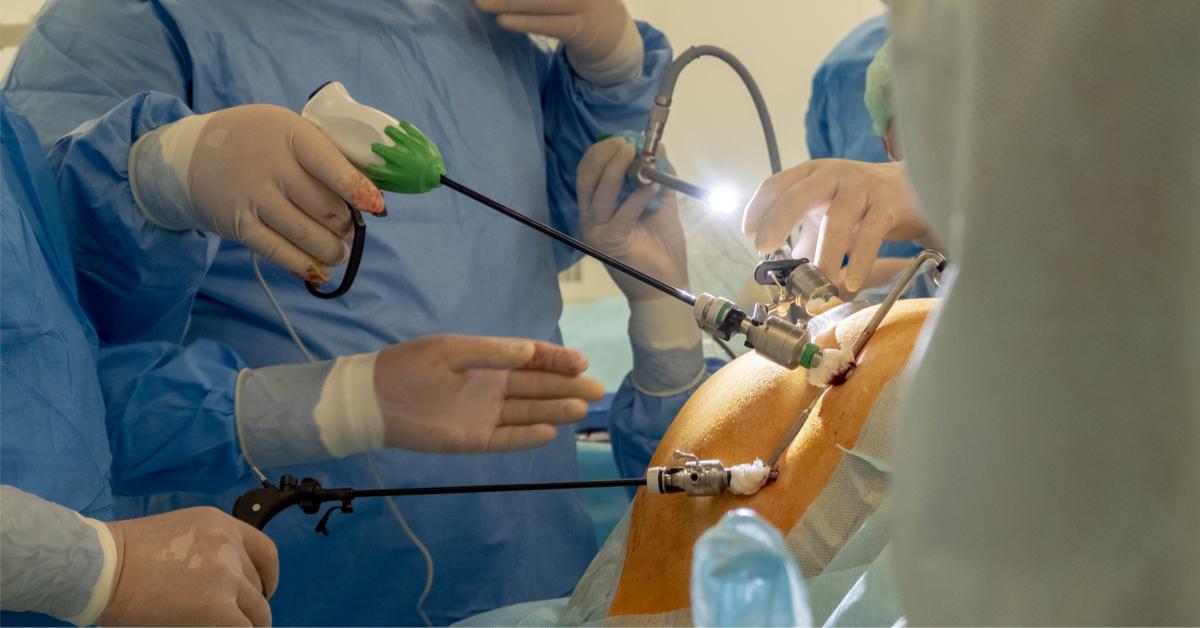
- Laparoscopic hernia repair.
- Using surgical mesh to strengthen the abdominal wall and reduce recurrence risk.
The most suitable treatment option is determined according to the patient’s condition, the size of the hernia, and medical evaluation.
Tips After Inguinal Hernia Surgery
- Avoid lifting heavy objects for the period recommended by the doctor.
- Follow all medications and medical instructions carefully.
- Maintain a healthy body weight.
- Treat chronic constipation and coughing.
- Gradually return to normal daily activities.
Why Is Early Treatment Important?
Early treatment helps to:
- Reduce the risk of complications.
- Make surgery easier and safer.
- Speed up recovery and return to normal life.
- Lower the chance of hernia recurrence.
Book Your Appointment with Dr. Abdelrahman El Saba
If you are experiencing symptoms of an inguinal hernia or notice swelling or pain in the groin area, do not delay treatment to avoid serious complications. Dr. Abdelrahman El Saba provides advanced diagnostic and treatment options for inguinal hernia with the highest standards of medical care.
Dr. Abdelrahman El Saba
📞 01155321536
Address:
5 Freedom Tower, 153 Street, 2nd Floor, Above El Halfawy Pharmacy, Next to Maadi Metro Station – Freedom Square (From Corniche), Maadi, Cairo.