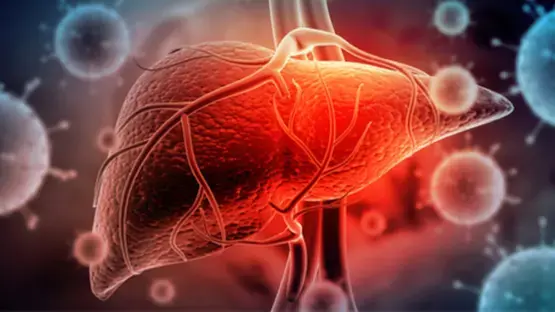

A team at the Massachusetts Institute of Technology (MIT) has developed "miniature livers" that can be injected into the body to partially take over the functions of a failing liver. This breakthrough could save thousands of patients waiting for liver transplants amid organ shortages.
According to Sanjita Bhatia, a biomedical engineering professor and lead author, these miniature livers act as auxiliary organs, producing many of the enzymes and proteins normally generated by a healthy liver, remaining viable for up to two months.
The team combined liver cells with tiny hydrogel beads that create a supportive environment, allowing cells to connect with nearby blood vessels and survive. In mouse studies, these cells successfully produced the expected enzymes and proteins.
Fibroblast cells were also added to promote blood vessel growth and support cell survival. Ultrasound guidance ensured precise injection placement and monitoring of the grafts. The cells can function in various body locations, including the spleen or near the kidneys, provided they have adequate space and blood supply.
Researchers hope this technology can serve as a surgical alternative or a temporary bridge until a donor organ becomes available. Future versions may evade immune rejection or deliver localized immunosuppressive therapy.
For more details and the latest news, follow Misr Connect.