Study Reveals: Yoga May Cut Opioid Withdrawal Symptoms Duration by Half
A new study reveals that incorporating yoga into opioid withdrawal treatment may significantly speed recovery and reduce physical and psychological symptoms.


A recent study published in JAMA Psychiatry highlights promising results showing that yoga practice can reduce the duration of opioid withdrawal symptoms to almost half the usual time for some patients.
The study noted that withdrawal symptoms are often severe, including anxiety, sleep disturbances, rapid heart rate, and physical pain, typically managed with medications.
However, introducing yoga alongside standard medical treatment significantly accelerated recovery. Dr. Manasa Hani, Director of Addiction Psychiatry, explained that yoga enhances self-awareness, body control, and nervous system regulation, helping to calm anxiety, normalize heart rate, and improve sleep quality.
The study involved 59 adults aged 18–50, divided into two groups:
-
The first group practiced yoga for 45 minutes daily over 10 sessions within two weeks alongside standard treatment.
-
The second group received medication only.
Results showed that the yoga group recovered in about 5 days, compared to 9 days for the non-yoga group, with better heart rate stability and reduced physical and psychological symptoms.
The study emphasizes that yoga is a supportive tool to reduce relapse risk and calm the nervous system during recovery, but it should not replace medical treatment.
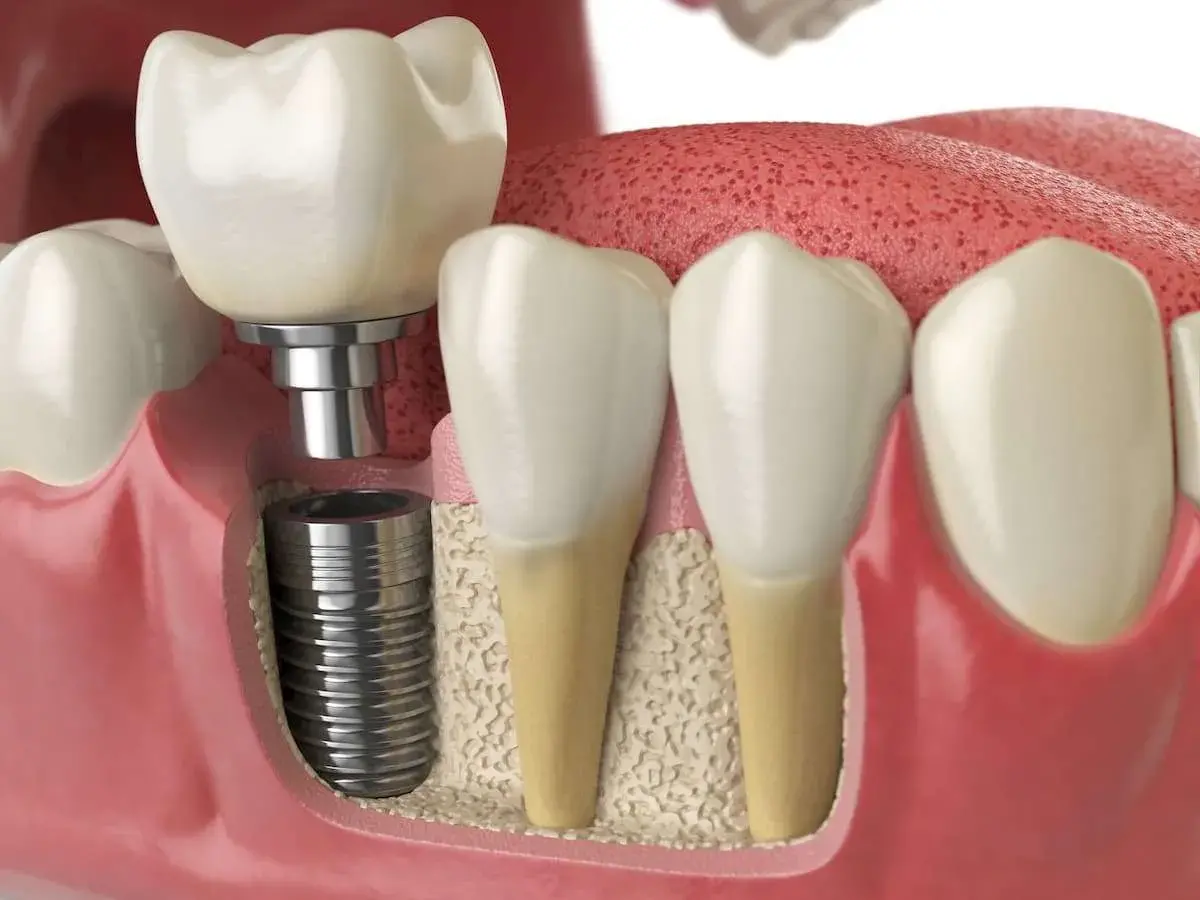
Learn the difference between immediate and traditional dental implants with Dr. Abdelmagid Nabil in Giza, and discover the advantages, disadvantages, and the best option for your dental condition to restore a natural and confident smile.

Dr. Rehab Helmy offers premarital and newlywed counseling sessions in Giza and Haram to help couples build healthy, stable relationships based on communication, understanding, and emotional support.

However, the psychological and educational truth is that the issue is far deeper than simple “lying,” and rushing to judge a child may worsen the situation instead of solving it.

Hypertension, also known as high blood pressure, is one of the most common chronic diseases worldwide. It is often called the “silent killer” because it may develop without noticeable symptoms while gradually damaging the heart, brain, kidneys, and blood vessels.
