

Heart Muscle Enlargement: Causes, Symptoms, Diagnosis, and Treatment | Specialized Heart Center - Dr. Abdullah
Heart muscle enlargement refers to an increase in the size or thickness of the heart muscle. It may occur due to different factors, including high blood pressure, certain heart valve diseases, or other conditions that affect how the heart functions.
The presence of heart muscle enlargement does not necessarily mean that all patients have the same condition. The cause, degree of enlargement, and effect on heart function can vary from one person to another. Therefore, proper management depends on identifying the cause and carefully evaluating heart function.
📍 Specialized Heart Center - Dr. Abdullah Contact Information
Address:
10th of Ramadan – Jordanian District – Al Kamal Center, next to Technoscan Radiology Center, 10th of Ramadan, Sharqia.
📞 Phone and Contact Numbers:
- 01099559224
- 01220664555
- Landline: 055/4466667
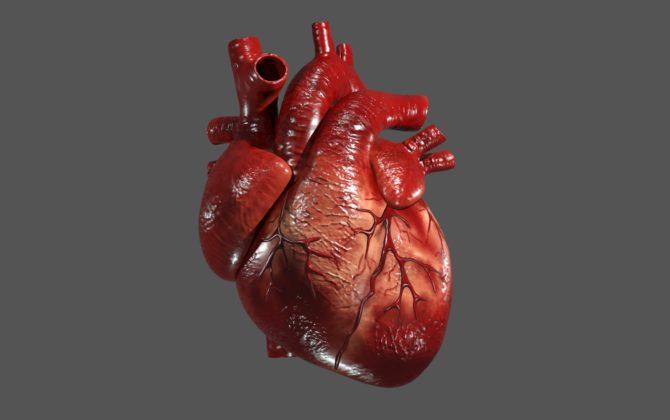
What Is Heart Muscle Enlargement?
Heart muscle enlargement means an increase in the thickness of the heart muscle. It may develop as a result of increased workload on the heart over a long period or due to certain conditions affecting the heart muscle.
The enlargement may be more noticeable in the left ventricle, which is mainly responsible for pumping blood throughout the body. However, the location and degree of enlargement vary depending on the underlying cause and the individual condition.
What Causes Heart Muscle Enlargement?
Several factors may contribute to heart muscle enlargement, including:
- Long-term high blood pressure.
- Certain heart valve diseases.
- Some heart muscle conditions.
- Certain inherited conditions affecting the heart muscle.
- Increased workload on the heart in some cases.
The cause cannot be determined based on symptoms alone, which is why medical evaluation and appropriate testing are important.
What Are the Symptoms of Heart Muscle Enlargement?
Heart muscle enlargement may not cause noticeable symptoms in some cases. However, some patients may experience:
- Shortness of breath, especially during physical activity.
- Tiredness and fatigue.
- Chest pain or pressure.
- Heart palpitations or an irregular heartbeat.
- Dizziness.
- Swelling in the legs or feet in some cases.
Symptoms vary depending on the cause of the enlargement and its effect on heart function.
Is Heart Muscle Enlargement Dangerous?
The severity of heart muscle enlargement cannot be determined simply by its presence. It depends on the underlying cause, the degree of enlargement, and its effect on heart function.
In some cases, the enlargement may be associated with a condition that can be controlled by treating the underlying cause. Other cases may require closer monitoring and appropriate treatment to reduce its impact on the heart.
How Is Heart Muscle Enlargement Diagnosed?
Diagnosis begins with reviewing the patient's symptoms and medical history, followed by an appropriate medical examination.
The doctor may recommend tests such as:
- Electrocardiogram (ECG).
- Echocardiography.
- Blood pressure measurement.
- Blood tests when necessary.
- Additional imaging or examinations in certain cases.
The required tests depend on the symptoms and the findings of the initial evaluation.
Can Heart Muscle Enlargement Be Treated?
Management of heart muscle enlargement mainly depends on the underlying cause. If the enlargement is related to high blood pressure, controlling blood pressure may be an important part of the treatment plan.
When the condition is related to heart valve disease or heart muscle disorders, treatment varies according to the nature of the problem and its effect on heart function.
Treatment may include medications, regular follow-up, or other procedures depending on the individual condition.
Can Heart Muscle Enlargement Be Prevented?
Some causes that contribute to heart muscle enlargement can be reduced by maintaining healthy blood pressure and properly managing heart conditions and related risk factors.
Early detection and management of high blood pressure and heart disease may also help reduce their long-term effects on the heart muscle.
When Should You See a Cardiologist?
Symptoms such as recurrent shortness of breath, chest pain, palpitations, dizziness, or swelling in the feet should be medically evaluated to identify the underlying cause, particularly when the symptoms are new or becoming more frequent.
Severe or sudden chest pain, severe shortness of breath, or loss of consciousness requires urgent medical evaluation.
Heart muscle enlargement is not a single condition with one cause or one treatment. It may be associated with high blood pressure, heart valve disease, heart muscle disorders, or other factors.
Management depends on identifying the underlying cause, determining the degree of enlargement, and assessing its effect on heart function. Accurate diagnosis and medical follow-up are therefore important for determining the appropriate approach for each patient.