 madical news

Discover a selection of natural drinks that boost metabolism, reduce appetite, and help your body burn belly fat effectively with simple daily habits.

Many people wonder how much protein the body can actually absorb in a single meal. Here’s what science says about protein digestion, muscle utilization, and how to maximize your daily intake effectively.
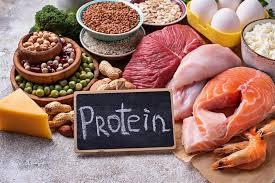
Wondering how much protein you should eat to lose weight? Studies show that getting 25%–30% of your daily calories from protein can boost metabolism, reduce hunger, and help preserve muscle while burning fat.

Discover in depth the seven secrets behind glowing, youthful skin — from vitamin C and nutrition to collagen and mindful night care.

A new medical study reveals that breastfeeding strengthens women’s immune defense against breast cancer by activating specialized immune cells that provide long-term protection, especially against aggressive types like triple-negative breast cancer.

In a groundbreaking medical advance, a tiny light-sensitive implant placed at the back of the eye has restored central vision and the ability to read for several blind patients.

A new study has found that following an excessively low-calorie diet may raise the risk of developing psoriatic arthritis, despite its usual association with health benefits.

After 18 students at a Menoufia school tested positive for chickenpox, concerns have risen over the spread of the infection. Masr Connect presents the main symptoms, treatment options, and preventive measures.

A new quick test by neurologist Peter Rabins features ten questions that help identify early signs of Alzheimer’s up to 18 years before diagnosis, offering hope for prevention and better care.

A new medical study reveals that breastfeeding strengthens women’s immune defenses and offers long-term protection against breast cancer, particularly the aggressive triple-negative type.
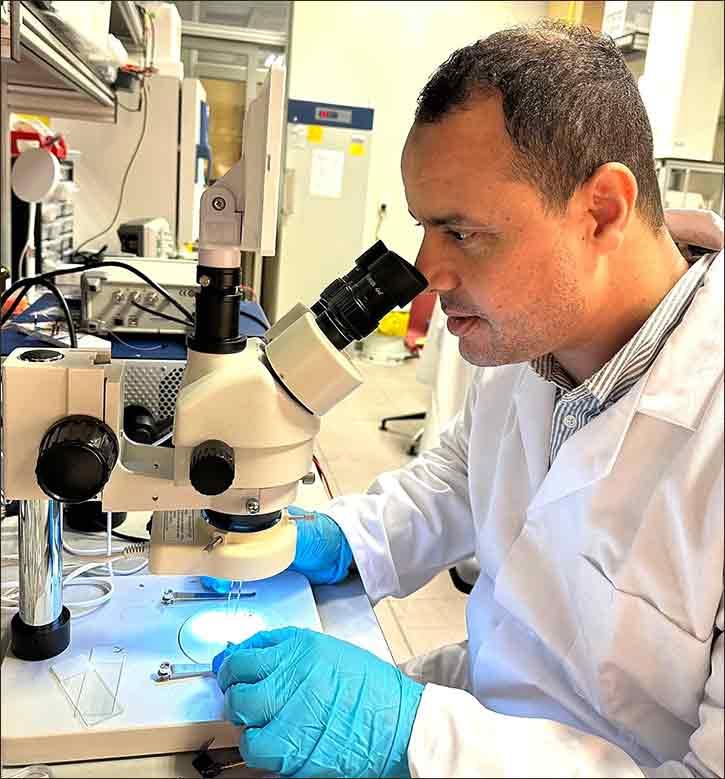
Researchers at NYU Abu Dhabi create a glowing capsule that activates gut neurons and treats digestive issues without surgery.

Researchers at Sweden’s Karolinska Institute have revealed that hormone replacement therapy (HRT) used during menopause may reduce the risk of developing stomach and esophageal cancers by up to 30%.
