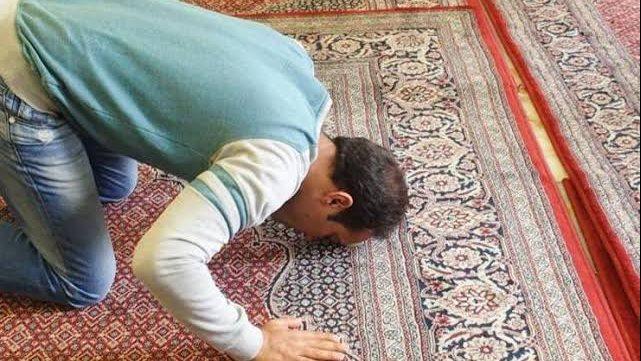
The Quran is the word of Allah and a source of guidance and light. Its verses remind people of the reality of worldly life and the Hereafter, calling believers to faith, righteous action, and closeness to Allah.
The righteous predecessors deeply honored the Quran and devoted themselves to reflecting upon its verses and acting upon their teachings. They understood that what Allah has prepared is better and more lasting than the temporary pleasures of this world.
It is not accurate, however, to claim without evidence that all of the righteous predecessors specifically preferred four particular Quranic verses over all worldly blessings. The Quran as a whole contains profound verses that encourage believers to look beyond temporary worldly pleasures toward what is with Allah.
What Are Some of the Greatest Verses About the Hereafter?
Several comprehensive verses contain profound meanings concerning faith, hope, and reliance upon Allah.
1. Ayat al-Kursi
Allah says:
“Allah—there is no deity except Him, the Ever-Living, the Sustainer of all. Neither drowsiness overtakes Him nor sleep... His Throne encompasses the heavens and the earth, and preserving them does not tire Him. And He is the Most High, the Most Great.”
[Quran 2:255]
Ayat al-Kursi is among the greatest verses of the Quran because it affirms Allah’s oneness, perfect life, sovereignty, knowledge, and power.
2. The Last Two Verses of Surah Al-Baqarah
Allah says:
“The Messenger has believed in what was revealed to him from his Lord, and so have the believers...”
The two verses contain profound meanings concerning belief in Allah, His angels, His Books, and His messengers, as well as the believers’ submission to Allah.
The Prophet Muhammad, peace and blessings be upon him, also said regarding the last two verses of Surah Al-Baqarah:
“Whoever recites the last two verses of Surah Al-Baqarah at night, they will suffice him.”
3. The Verse of Hope in Surah Az-Zumar
Allah says:
“Say, ‘O My servants who have transgressed against themselves, do not despair of the mercy of Allah. Indeed, Allah forgives all sins. Surely He is the Most Forgiving, Most Merciful.’”
[Quran 39:53]
This verse carries a profound message of hope for anyone who has sinned or fallen short. It calls people not to despair of Allah’s mercy, but to return to Him through sincere repentance.
4. The Verse About What Is With Allah
Allah says:
“Whatever you have been given is only the enjoyment of this worldly life, but what is with Allah is better and more lasting for those who believe and put their trust in their Lord.”
[Quran 42:36]
This verse highlights an important principle in the life of a believer: what Allah has is better and more lasting than temporary worldly possessions.
Why Did the Righteous Predecessors Honor the Quran?
The righteous predecessors had a deep connection with the Quran because it provides guidance, strengthens faith, and purifies the soul.
Their relationship with the Quran was not limited to reciting its words. They also sought to understand its meanings and apply its guidance in their lives.
The Quran Is a Path to Guidance
Allah says:
“Surely this Quran guides to what is most upright.”
[Quran 17:9]
The Quran guides people toward the straight path and explains what benefits them in their religious and worldly lives and in the Hereafter.
Are There Four Specific Verses Better Than Worldly Blessings?
It is not appropriate to state without authentic evidence that the righteous predecessors specifically preferred four particular verses over worldly blessings.
What is established is that the entire Quran is عظیم and that certain verses and chapters have specific virtues established through the Sunnah.
The Quran contains the greatest meanings of monotheism, hope, fear, guidance, and reliance upon Allah. Muslims should therefore read it, reflect upon it, and act upon its teachings without attributing an unproven special virtue to a particular verse.
Conclusion
The Quran is a book of guidance and light. Its verses connect the believer’s heart to Allah and remind them that worldly pleasures are temporary, while what Allah has prepared is better and lasting.
Among the powerful verses worth reflecting upon are Ayat al-Kursi, the last two verses of Surah Al-Baqarah, the verse of hope in Surah Az-Zumar, and the verse stating that what is with Allah is better and more lasting.
The true benefit of the Quran is not merely in reciting its words, but also in understanding its meanings and living according to its guidance.
What is the greatest verse in the Quran?
The Prophet Muhammad, peace and blessings be upon him, identified Ayat al-Kursi as the greatest verse in the Book of Allah.
What is the virtue of the last two verses of Surah Al-Baqarah?
The Prophet said that whoever recites the last two verses of Surah Al-Baqarah at night, they will suffice him.
Which verse warns against despairing of Allah’s mercy?
Allah says, “Do not despair of the mercy of Allah” in the verse of hope in Surah Az-Zumar.
Are there four specific verses that the righteous predecessors preferred over worldly blessings?
There is no established evidence specifying four particular verses with this exact description. The entire Quran is عظیم, while certain verses and chapters have specific established virtues.