Al-Azhar Scholar Explains the Hadith “Feeding the Servant” and Its Moral and Security Dimensions
Dr. Yousry Gabr, an Al-Azhar scholar, explained the deep meaning of the Prophet’s hadith about feeding the servant, highlighting its moral message of humility and compassion, as well as its social and security wisdom.


Dr. Yousry Gabr, one of Al-Azhar’s leading scholars, explained that the Prophet Muhammad ﷺ said: “When your servant brings you food, if you do not invite him to eat with you, then give him a bite or two, for he has prepared it and endured its heat.” – narrated by Al-Bukhari – emphasizing that the hadith reflects the Prophet’s supreme humility and mercy.
Speaking on the program “Know Your Prophet”, Dr. Gabr clarified that the hadith refers to food prepared by the servant himself, and that Islamic etiquette encourages offering the servant a place at the table. If he feels shy or declines, the master should still offer him some food, since he labored over it and may have desired it.
He added that this prophetic teaching demonstrates the noble character of the Prophet ﷺ, who wanted his followers to adopt humility and kindness toward those who serve them — treating them as brothers or sons, for the true measure of honor in Islam is piety, not worldly rank.
Dr. Gabr pointed out that the Prophet’s guidance carries not only a moral dimension but also a security aspect, since sharing food builds trust and affection, reducing resentment or betrayal. He noted that many kings in history were poisoned through their meals, whereas this prophetic principle protects both life and home.
He further explained that the hadith concerns food that is generally desired, not special meals for the sick or foods one dislikes, and that wisdom calls for respecting the servant’s preferences — for Islam forbids imposing what people cannot bear.
Concluding his remarks, Dr. Gabr affirmed that whoever follows this prophetic teaching will enjoy love, peace, and harmony within the home, for one of the greatest forms of Sunnah is to treat those who serve us with the same kindness and fairness that the Prophet ﷺ showed to his companions and helpers.
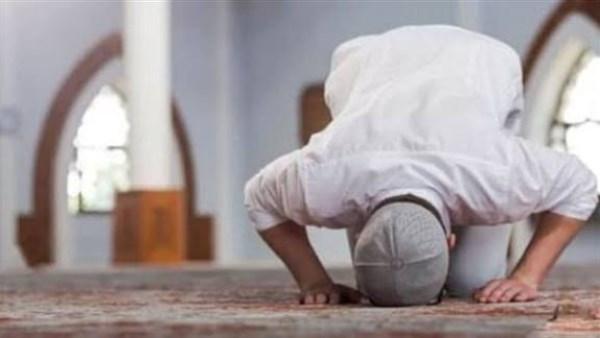
Learn the supplications recited during Salah, including Dua Al-Istiftah, prayers for bowing and prostration, between the two prostrations, and before salam.

Discover comprehensive Islamic duas for protecting children, seeking their health, safety, righteousness and guidance, with supplications parents can recite for their children.

Egypt’s inistry of Awqaf will open 19 mosques on Friday, August 21, 2026, as part of its nationwide plan to build, renovate, maintain and develop mosques.
Sheikh Mohamed Kamal explains the Islamic view of loving and honoring the Prophet, highlighting his elevated status in the Quran and the importance of reverence for him.
