Al-Ifta: Seizing Ramadan Leads to Blessings and Liberation from Hellfire
Ramadan brings immense blessings, and Al-Ifta emphasizes that sincere fasting earns multiplied rewards, forgiveness, and liberation from the fire.
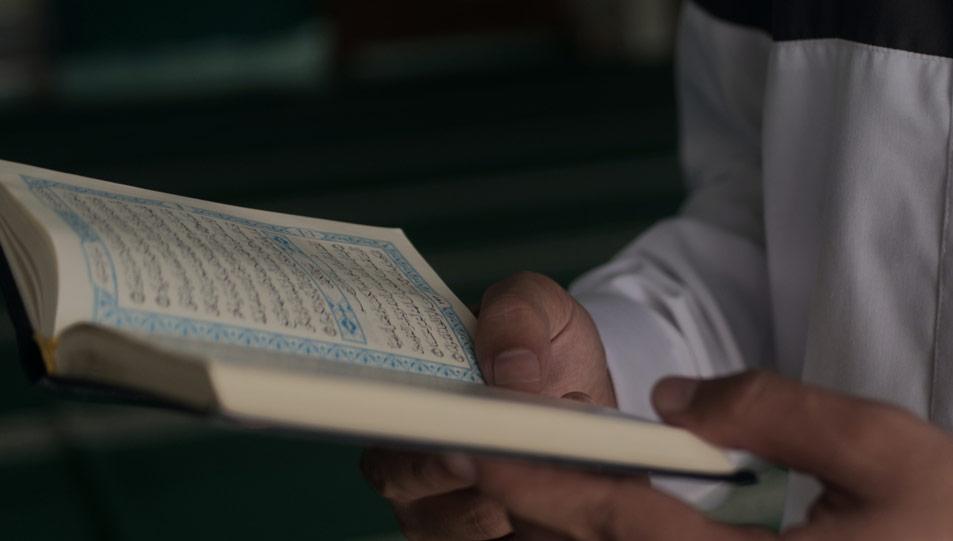

The Egyptian Al-Ifta stated that a wise person is one who seizes Ramadan to attain its goodness and freedom from Hellfire, highlighting the importance of using this blessed month for worship and righteous deeds.
The Prophet ﷺ said: “When the first night of Ramadan comes, the devils and rebellious jinn are chained, the gates of Hell are closed and none are opened, the gates of Paradise are opened and none are closed, and a caller proclaims: O seeker of good, come forward! O seeker of evil, desist! And Allah has slaves freed from the fire every night.”
Key virtues of Ramadan include:
-
The Gate of Rayyan for the fasting—with avoidance of evil and sins.
-
Laylat al-Qadr, where sins are forgiven and rewards multiplied.
-
Liberation from Hellfire, as Allah frees chosen servants every night.
-
Revelation of the Quran, and all divine scriptures began descending during Ramadan.
-
Taraweeh prayers, performing night prayer with sincerity leads to forgiveness.
-
Gates of Paradise opened, gates of Hell closed, devils chained.
-
Generosity and charity, as the Prophet ﷺ was most generous in Ramadan.
-
Answered prayers, where Allah bestows mercy and blessings.
-
Umrah in Ramadan, rewarded equivalent to Hajj.
-
Great reward for charity, as the Prophet ﷺ exemplified generosity.
-
Fasting is unique, done solely for Allah, guarding from worldly temptations.
-
Reward for patience, enduring hunger, thirst, and resisting sins, with entrance to Paradise through Rayyan, and joy at iftar and meeting Allah, with the fasting person’s supplication being accepted.
Ramadan is a golden opportunity for spiritual elevation, multiplying good deeds, and drawing closer to Allah through fasting, prayer, supplication, and charity.
For more details and latest news, follow Masr Connect
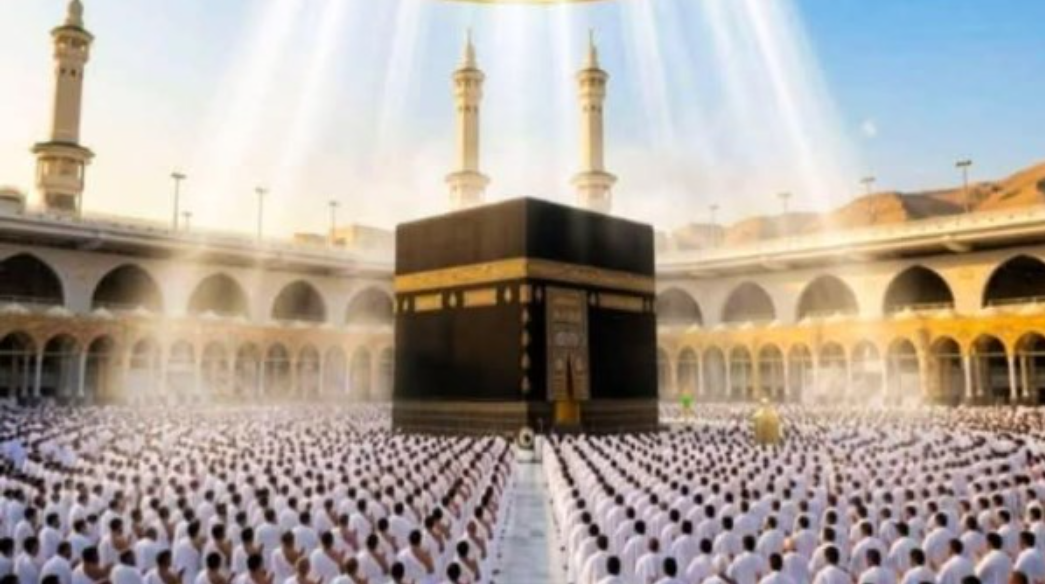
Learn the ruling on skipping Sa’i in Hajj or Umrah according to Egypt’s Dar Al-Ifta, whether with or without excuse, and what must be done in each case.
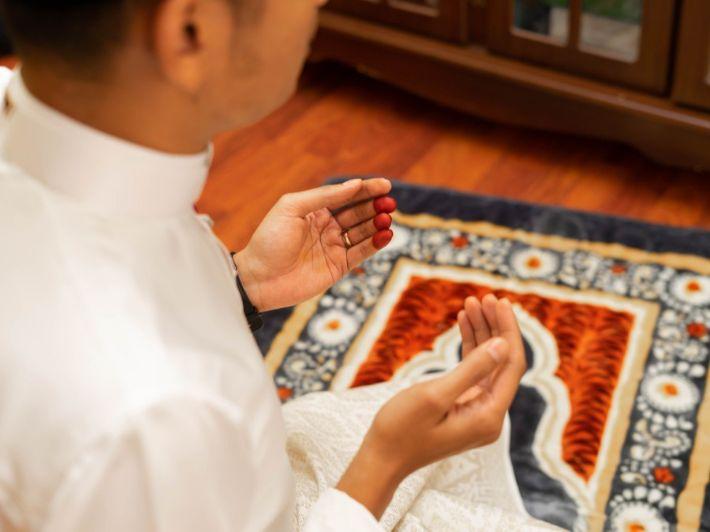
Discover the most powerful authentic duas from Quran and Sunnah, and the best times for answered prayers like last third of the night, Friday, and between Adhan and Iqamah

Key rulings from Al-Azhar and Dar al-Ifta on Hajj mistakes, fasting the early days of Dhu al-Hijjah, and the ruling on making intention for voluntary fasting.
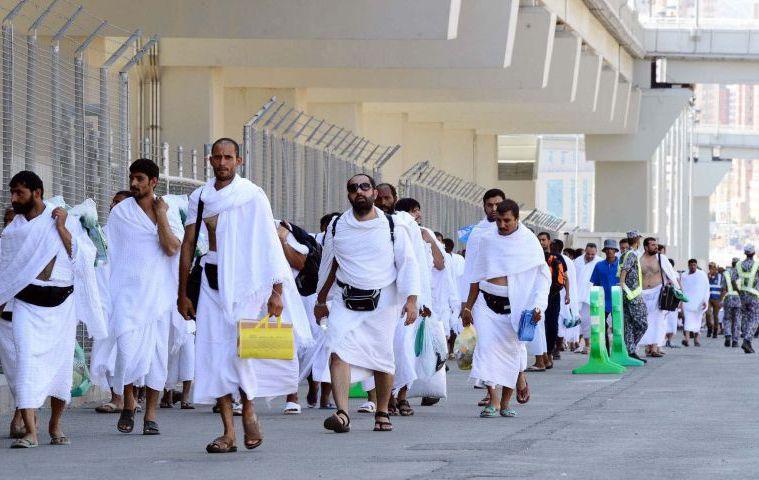
Fasting the first nine days of Dhu al-Hijjah is a highly recommended act of worship with great virtues, offering immense reward and spiritual elevation for Muslims.
