
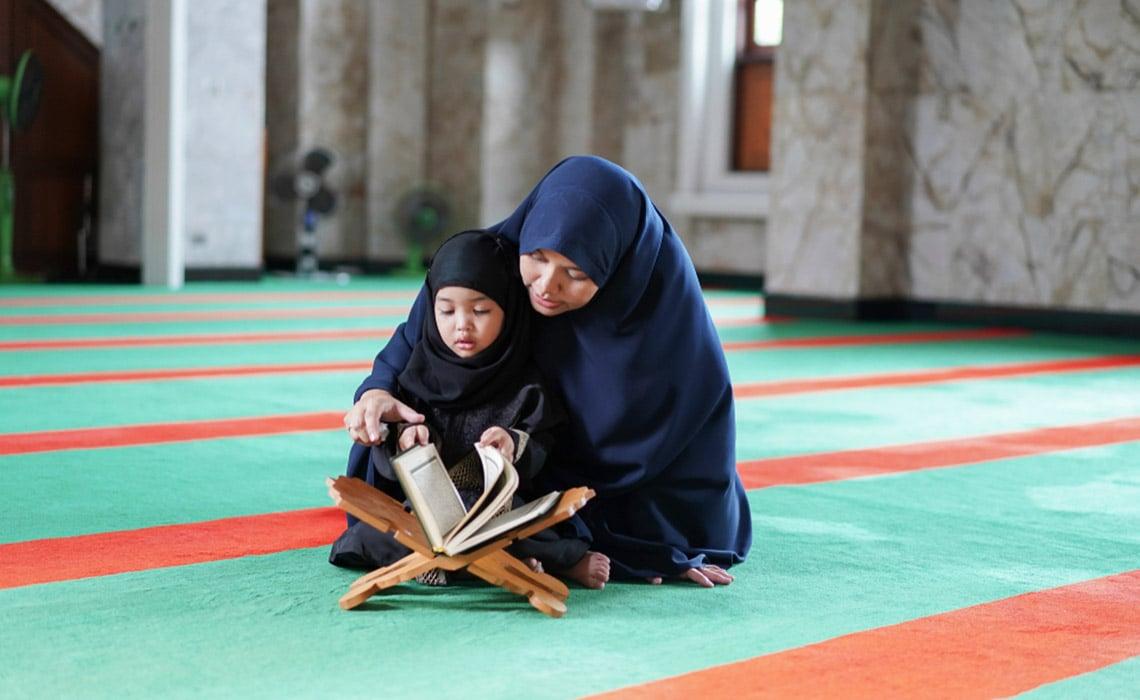

The Al-Azhar Global Center for Islamic Fatwa confirmed that nurturing and guiding a child is one of their rights in Islam, citing Abdullah ibn Abbas on the Prophet ﷺ’s teaching: “O young boy, I will teach you words: Guard Allah and He will guard you…” [Tirmidhi]. This emphasizes educating children to trust and obey guidance from an early age.
Child’s Rights from Birth
Al-Azhar highlighted that the Prophet ﷺ encouraged celebrating a child’s birth, performing aqiqah, and giving good names such as Abdullah or Abdulrahman, reflecting spiritual and social care. Islam also protects the child’s right to life, forbidding killing due to fear of poverty, as stated in the Quran: ﴿Do not kill your children…﴾ [Al-Isra:31].
Breastfeeding and Custody
The child has the right to full natural breastfeeding up to two years and to custody from the mother during the early years of dependency.
Religious and Ethical Education
Children are entitled to religious education, moral guidance, and proper conduct training. Prophet ﷺ emphasized that good manners and ethical upbringing are among the greatest parental duties.
Maintenance and Inheritance
Children have the right to financial support from their father until adulthood, and inheritance rights are ensured if separated from the mother while alive. Orphans have their wealth safeguarded by guardians until maturity, and social care is mandated, as the Prophet ﷺ said: “I and the one who cares for an orphan will be in Paradise like this.”
Conclusion
Islamic child rights encompass life, nurturing, education, guidance, moral development, financial support, and custody, ensuring children grow healthy and balanced.




