
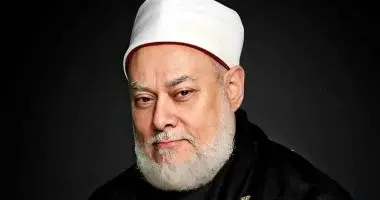

Dr. Ali Gomaa, member of the Council of Senior Scholars at Al-Azhar, emphasized that the phrase “La Ilaha Illa Allah” represents the foundation of Islamic faith. It is the declaration of monotheism that connects the servant with his Lord and guides believers to understand that Allah Almighty is the true Owner of everything, and that the path to His pleasure begins by truly understanding and living by its meaning.
Ali Gomaa explained that this great statement is repeatedly mentioned in the Quran because it carries a fundamental truth about human existence and the relationship between the servant and his Creator. It is not merely words spoken by the tongue, but rather a commitment that establishes in the heart that all matters belong to Allah and that all creation exists under His power and control.
The Meaning of “La Ilaha Illa Allah” and Its Impact on a Muslim’s Life
Establishing the Belief That All Dominion Belongs to Allah
Dr. Ali Gomaa stated that fully understanding the declaration of faith requires the heart to recognize that Allah alone owns the heavens and the earth and everything within them, and that all creation exists under His authority and wisdom.
The Quran confirms this truth:
“To Allah belongs whatever is in the heavens and whatever is on the earth. Whether you reveal what is within yourselves or conceal it, Allah will bring you to account for it.”
This verse provides Muslims with a clear way of life, reminding them that Allah is the Creator, Provider, Giver of life, and Giver of death, and that everything in existence belongs to Him alone.
The All-Encompassing Ownership of Allah Over All Creation
Ali Gomaa explained that the Quranic phrase “whatever is in the heavens and whatever is on the earth” includes all forms of creation, including humans, jinn, animals, plants, and inanimate objects. Everything was created by Allah and remains under His power and command.
Allah’s ownership is not limited only to what exists within the universe, but extends to the heavens and the earth themselves, as stated:
“And to Allah belongs the dominion of the heavens and the earth and whatever is between them.”
Thus, Allah alone possesses complete ownership, command, and control over all affairs.
Three Steps to Achieving the True Meaning of Monotheism in Human Life
First: Removing Fear of Anyone Other Than Allah
Dr. Ali Gomaa explained that the first result of knowing that all dominion belongs to Allah is freeing the heart from excessive fear of anyone besides Him.
A believer takes the necessary means, works, strives, learns, plans, and seeks provision, while understanding that these means do not independently bring benefit or harm. Everything occurs only by Allah’s permission.
Therefore, Muslims interact with people, respect them, and cooperate with them, but they do not allow their hearts to become dependent upon them, because they know that Allah alone controls all matters.
Second: Relying Upon Allah Alone
After freeing the heart from fear of others, a person reaches the stage of complete trust and dependence upon Allah.
Ali Gomaa explained that this stage requires cleansing the heart from excessive attachment to wealth, status, or people, and filling it with trust in Allah, satisfaction with His decree, and sincere worship.
A person may deal with others, appreciate them, and cooperate with them, but deep inside they know that Allah is the true Giver and Withholder, and that everything happens according to His will.
Third: Not Allowing What Allah Has Given You to Control You
Ali Gomaa pointed out that when a person realizes that everything they possess is a gift and trust from Allah, they will not allow these blessings to become a reason for arrogance or distance from their Creator.
Allah says:
“Say: O Allah, Owner of all sovereignty, You give sovereignty to whom You will and take sovereignty away from whom You will.”
Ownership does not only refer to authority or position; it also includes wealth, knowledge, health, strength, and social status.
All these blessings are a test for human beings. They require gratitude and proper use, and a person should never use what Allah has granted them to disobey Him or wrong His creation.
How Does “La Ilaha Illa Allah” Make a Person Stronger and More Peaceful?
Ali Gomaa emphasized that the true outcome of understanding monotheism is that a person becomes the owner of what is in their hands without becoming a prisoner to it.
Wealth remains in their possession, not in their heart. Position becomes a means for goodness, not a cause of arrogance. Knowledge becomes a path to benefit others, not a reason for pride.
When this meaning becomes firmly established in the heart, Allah frees the person from fear and greed, making them strong through Him alone, so that worldly desires, temptations, and personal inclinations no longer control them.
What does “La Ilaha Illa Allah” mean?
It means dedicating worship exclusively to Allah and believing that no one possesses ultimate authority or control over the universe except Him.
How does the declaration of faith affect a Muslim’s life?
It helps Muslims overcome fear of others, strengthens reliance on Allah, and brings greater peace and satisfaction.
Does taking practical steps contradict trusting Allah?
No. Islam encourages taking the necessary steps while believing that outcomes are ultimately in Allah’s hands.
What does it mean that all dominion belongs to Allah?
It means that everything in the heavens, the earth, and everything between them belongs to Allah, and He manages all things with His wisdom and power.




