
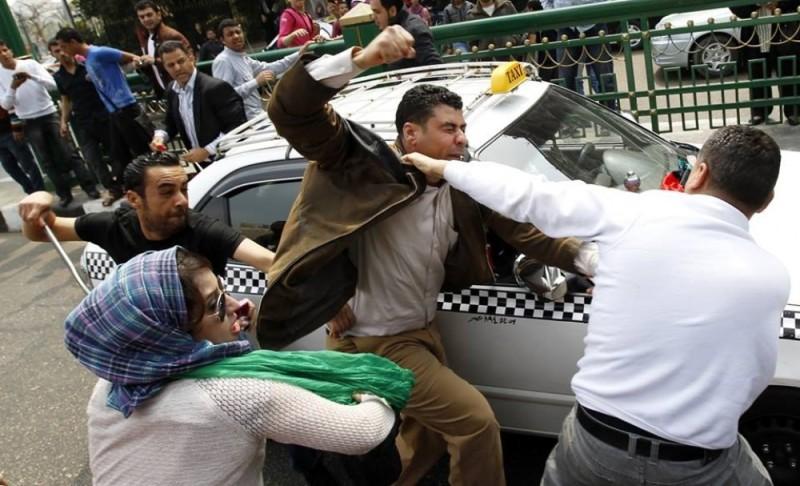

Many Muslims wonder about the impact of anger or conflicts while fasting during Ramadan. Dr. Magdy Ashour, former advisor to Egypt's Grand Mufti, explained that fasting itself does not cause anger; rather, it is meant to teach patience and self-control. Anger often arises from the human soul or the influence of inner impulses, as evil forces are restrained during Ramadan.
Ashour noted that blameworthy anger, which leads to resentment and disputes, conflicts with the purpose of fasting, which is to cultivate patience and harmony. Losing patience due to fasting indicates a lack of proper spiritual discipline.
Regarding the use of harsh words, Ashour clarified that uttering improper language does not invalidate the fast, as long as one does not eat, drink, or engage in prohibited actions. However, it diminishes the reward of fasting and puts its spiritual merit at risk. He referenced the Prophet’s saying: “If one of you is fasting, he should neither use obscene language nor act ignorantly; if someone insults him, let him say: I am fasting.”
On the matter of excessive daytime sleep, Sheikh Ahmed Mamdouh, Fatwa official at Dar Al-Ifta, explained that sleeping most of the day does not invalidate the fast, but it may cause a person to miss the spiritual benefits and great rewards associated with engaging in worship while fasting. The reward of the fasting person is proportional to their effort and perseverance.
For more details and latest news, follow Misr Connect.




