Morning Adhkar: The Muslim’s Shield and the Key to a Blessed Day
Morning Adhkar are more than words — they’re a divine protection, a spiritual awakening, and a daily renewal of faith that fills life with peace and blessings.


The Morning Adhkar are the believer’s daily fortress — a sacred routine that brings peace to the heart and light to the soul. They remind Muslims to begin their day with gratitude, remembrance, and trust in Allah’s care and mercy.
These Adhkar start with Ayat Al-Kursi, a verse that protects from harm until nightfall, followed by the recitation of Surat Al-Ikhlas, Al-Falaq, and An-Nas three times for protection from envy, evil, and harm. The beautiful morning supplication,
“We have entered a new morning and with it all dominion belongs to Allah…”
expresses full submission to God’s will and a plea for goodness and blessing throughout the day.
Among the most powerful invocations are:
“O Allah, You are my Lord, there is no god but You…” — a prayer that brings forgiveness to the heart.
“I am pleased with Allah as my Lord, Islam as my religion, and Muhammad ﷺ as my Prophet.”
“Hasbiyallahu la ilaha illa Huwa…” — repeated seven times, it brings relief and divine sufficiency.
The best time for Morning Adhkar is right after Fajr prayer until sunrise, but they may be recited until noon — for remembrance is valid at any hour when the heart is awake.
In essence, Morning Adhkar are the key to peace and protection, a daily covenant between the servant and his Creator, filling the soul with calm and the day with light.
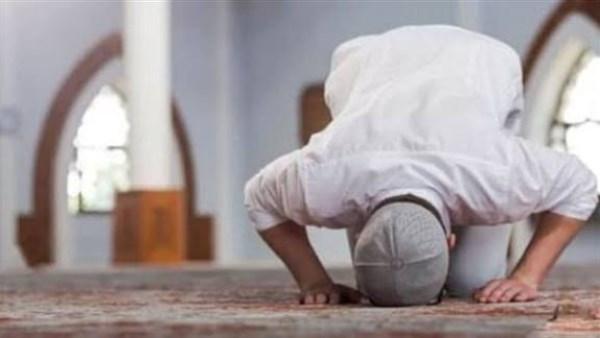
Learn the supplications recited during Salah, including Dua Al-Istiftah, prayers for bowing and prostration, between the two prostrations, and before salam.
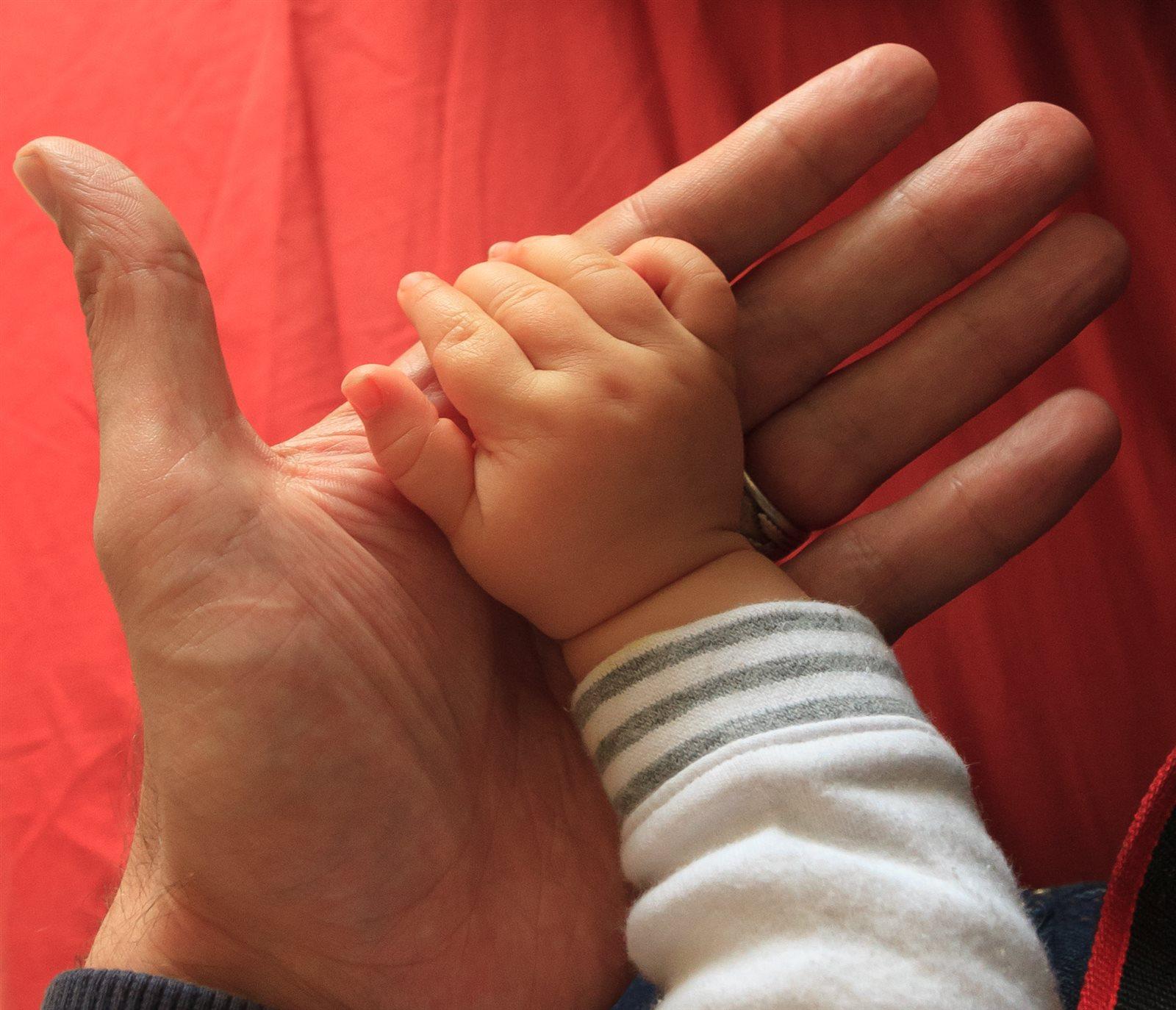
Discover comprehensive Islamic duas for protecting children, seeking their health, safety, righteousness and guidance, with supplications parents can recite for their children.
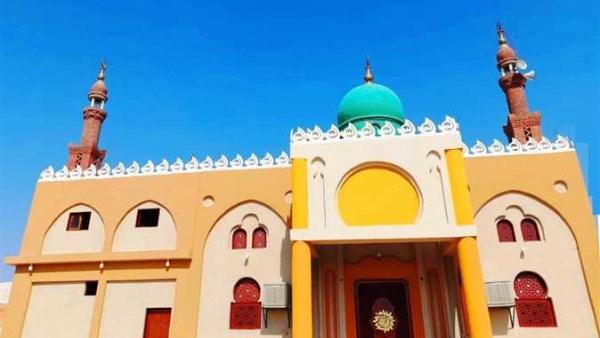
Egypt’s inistry of Awqaf will open 19 mosques on Friday, August 21, 2026, as part of its nationwide plan to build, renovate, maintain and develop mosques.
Sheikh Mohamed Kamal explains the Islamic view of loving and honoring the Prophet, highlighting his elevated status in the Quran and the importance of reverence for him.
