Battle of Hunayn: The Story of the Battle of Strength and Faith
The Battle of Hunayn took place in Shawwal during the eighth year after Hijrah, shortly after the conquest of Makkah, in a major confrontation between the Muslims and Hawazin and Thaqif.
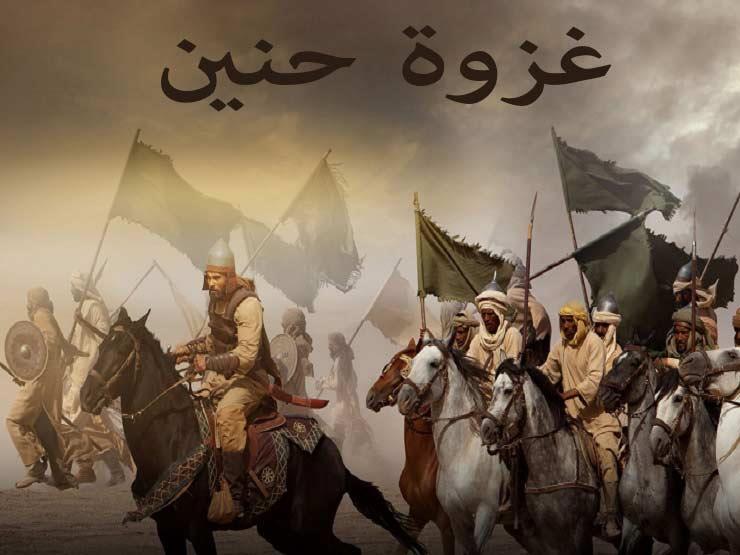

The Battle of Hunayn took place in Shawwal during the eighth year after Hijrah, shortly after the conquest of Makkah. It was one of the significant battles in the life of Prophet Muhammad, peace and blessings be upon him.
The Muslims faced Hawazin, Thaqif, and several allied Arab tribes that had not yet accepted Islam.
Causes of the Battle of Hunayn
Following the conquest of Makkah, Hawazin and Thaqif viewed the growing strength of the Muslims as a serious threat.
Their leaders gathered and decided to confront the Prophet Muhammad and the Muslim army.
Malik ibn Awf al-Nasri led Hawazin and Thaqif, together with several other Arab tribes. They brought their women, children, livestock, and possessions with them.
Duraid ibn al-Simmah, an experienced elderly warrior, accompanied them and advised against taking their families and possessions into battle. However, his advice was not followed.
The Prophet Prepares the Muslim Army
The Prophet Muhammad, peace and blessings be upon him, received information about Hawazin’s preparations and sent Abdullah ibn Abi Hadrad to investigate their situation.
After confirming the reports, the Prophet prepared the Muslim army.
He appointed Attab ibn Asid as governor of Makkah and Muadh ibn Jabal as a teacher for its people.
The army included the Muhajirun, the Ansar, and those who had recently entered Islam after the conquest of Makkah.
The Muslim army numbered approximately 12,000 men.
The Danger of Relying on Numbers
Because the Muslim army was much larger than it had been in previous battles, one man reportedly said:
“We will not be defeated today because of our small number.”
This statement displeased the Prophet Muhammad, peace and blessings be upon him.
The events of Hunayn later demonstrated that numerical superiority alone does not guarantee victory.
Weapons Borrowed from Safwan ibn Umayyah
Safwan ibn Umayyah, who was still a non-Muslim at the time, possessed armor and weapons.
The Prophet Muhammad asked him to lend the weapons to the Muslim army.
When Safwan asked whether they would be taken by force, the Prophet replied that they would be borrowed and guaranteed to be returned.
This helped provide the Muslim army with additional equipment before the battle.
The Incident of Dhat Anwat
On the way to Hunayn, some Muslims who had recently left the pre-Islamic period asked the Prophet to designate a tree for them, similar to the sacred tree used by polytheists, known as Dhat Anwat.
The Prophet rejected the request and compared it to the request made by the people of Moses when they asked him to make a deity for them like the deities of other people.
The incident became an important lesson about maintaining pure monotheism and avoiding practices associated with polytheistic worship.
The Beginning of the Battle
The Muslim army entered the valley of Hunayn, an area characterized by narrow passages, ravines, and difficult terrain.
Hawazin forces had already reached the area and concealed themselves in the valley and its narrow passages. Many of them were archers.
As the Muslim army entered the valley, the opposing forces launched a sudden attack.
The front of the Muslim army became disorganized and retreated. Many of those who initially fled were among the recent converts from the conquest of Makkah.
The Prophet’s Steadfastness
While many soldiers were retreating, the Prophet Muhammad remained firm.
He moved toward the right side while calling his companions back to him. Al-Abbas ibn Abd al-Muttalib held the reins of his mount.
The Prophet called out:
“I am the Prophet, no lie; I am the son of Abd al-Muttalib.”
The Prophet then instructed Al-Abbas, who had a powerful voice, to call the Ansar and those who had pledged allegiance under the tree.
The companions responded to the call and returned to the Prophet.
The Turning Point
As the Muslims regrouped around the Prophet, the battle changed dramatically.
The Muslim forces regained their organization and launched a strong counterattack against Hawazin and their allies.
The fighting intensified, and the opposing forces eventually began to retreat.
The Quran later referred to the events of Hunayn and explained that the Muslims had initially been impressed by their large numbers, but that their numbers did not benefit them until Allah granted His support and tranquility.
The Quran and the Battle of Hunayn
Allah says in Surah At-Tawbah:
“Indeed, Allah has given you victory in many regions and on the day of Hunayn, when your great number pleased you, but it did not avail you at all, and the earth, despite its vastness, became narrow for you; then you turned back, retreating. Then Allah sent down His tranquility upon His Messenger and upon the believers and sent down soldiers you did not see.”
The verses highlight an important principle: victory is ultimately from Allah, and numbers alone cannot guarantee success.
The Spoils of Hunayn
After the battle, the spoils and captives were gathered and held at Al-Ji'ranah while the Prophet proceeded toward Ta'if.
Later, a delegation from Hawazin came after accepting Islam and asked for their families and possessions to be returned.
The Prophet offered them a choice between their wealth and their families, and they chose their families.
He then worked to restore the women and children to their people.
The Distribution of Wealth and Reconciliation
The Prophet gave substantial gifts to several new Muslims and others whose hearts were being reconciled toward Islam.
Some of the Ansar initially felt uneasy about the distribution.
The Prophet gathered them and explained the wisdom behind his decision, reminding them that others would return home with sheep and camels, while the Ansar would return with the Messenger of Allah.
The Ansar accepted his words and were satisfied with the decision.
Women During the Battle
The Prophet Muhammad prohibited the killing of women and children and those who were not participating in combat.
The battle also included notable examples of courage among Muslim women.
Umm Sulaym, for example, carried a dagger and was prepared to defend herself and the Muslims if necessary.
Nusaybah bint Ka'b, also known as Umm Umarah, was likewise remembered for her courage and steadfastness.
Martyrs of Hunayn
Several companions were martyred during the Battle of Hunayn, including Abu Amir al-Ashari and Ayman ibn Ubaydullah, among others.
A considerable number of opposing fighters were also killed.
Historical accounts commonly mention approximately seventy deaths among Hawazin and their allies.
Duraid ibn al-Simmah was among those killed during the battle.
Major Lessons from the Battle of Hunayn
Victory Does Not Depend on Numbers Alone
The Battle of Hunayn demonstrates that numerical strength by itself does not guarantee victory.
Although the Muslim army was large, it experienced serious confusion at the beginning of the battle.
Steadfastness in Times of Crisis
The Prophet demonstrated remarkable steadfastness when the Muslim ranks became disorganized.
His determination helped bring the companions back together and restore the strength of the Muslim army.
The Danger of Pride in Strength
The beginning of the battle showed the danger of relying too heavily on numerical superiority.
The Quran emphasized that the Muslims’ large number did not benefit them until Allah granted them tranquility and support.
Mercy After Victory
The Prophet’s treatment of Hawazin after the battle demonstrated mercy and concern for families.
His efforts to return women and children and reconcile hearts also showed that victory was not simply about defeating an opponent, but about pursuing a greater moral purpose.
When did the Battle of Hunayn take place?
The Battle of Hunayn took place in Shawwal during the eighth year after Hijrah, shortly after the conquest of Makkah.
Who fought in the Battle of Hunayn?
The Muslims, led by Prophet Muhammad, fought Hawazin, Thaqif, and several allied Arab tribes.
How many Muslims fought at Hunayn?
The Muslim army numbered approximately 12,000 according to traditional historical accounts.
Why was it called the Battle of Hunayn?
It was named after the Valley of Hunayn, where the battle took place.
What are the main lessons of Hunayn?
The battle teaches that victory comes from Allah, that numerical superiority alone is not enough, and that steadfastness, trust in Allah, wise leadership, and mercy are essential.

Al Ahly have transferred €1.5 million to Dinamo Zagreb as the first installment of the deal to sign Algerian forward Monsef Bakrar.

Learn powerful supplications for protecting children from harm, guiding them toward righteousness, granting them health and safety, and asking Allah to bless their lives.

Umar ibn Al-Khattab رضي الله عنه was approximately 51 years old when Prophet Muhammad ﷺ died, according to the commonly cited chronological account

The death of Prophet Muhammad ﷺ was a profound shock to the Muslim community. Abu Bakr رضي الله عنه responded with remarkable faith, wisdom, and steadfastness.
