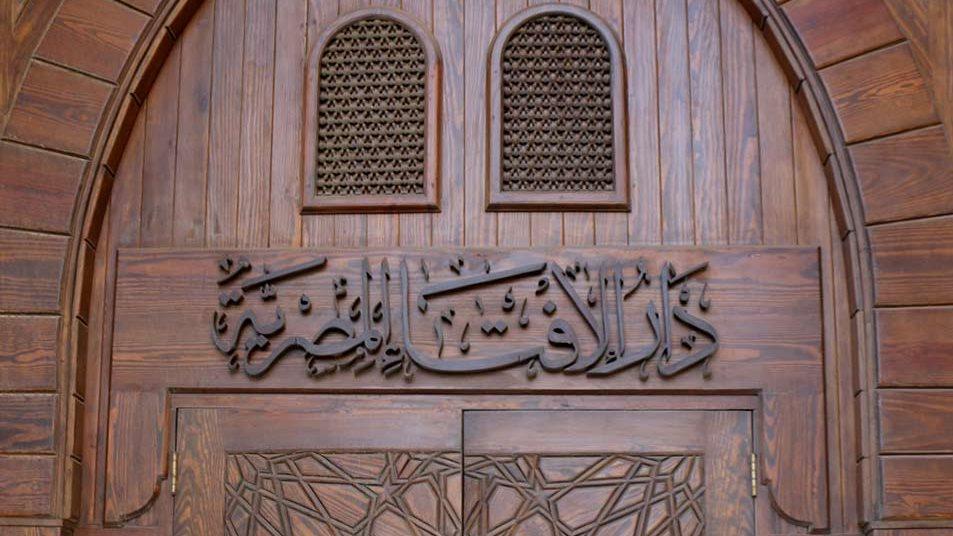

Egypt’s Dar Al-Ifta explained that advising another person toward good conduct or a virtuous quality is considered one of the noble forms of character and an important aspect of constructive advice encouraged in Islam.
The institution emphasized that giving advice is not simply about pointing out someone’s mistakes. It also requires observing ethical and religious guidelines that help ensure the advice achieves its intended purpose without becoming offensive or harmful.
Conditions and Guidelines for Giving Advice
Dar Al-Ifta stressed that advice should be offered sincerely for the sake of God, rather than to embarrass another person, demonstrate superiority, or expose their mistakes.
It is also preferable to give advice privately whenever possible, preserving the dignity of the person receiving it and avoiding unnecessary embarrassment, particularly when the matter concerns a personal behavior or mistake.
Kindness and Appropriate Language
Another important principle is that advice should be delivered with gentleness and compassion.
The person offering advice should choose appropriate words and consider the circumstances, status, and situation of the person being advised.
Advice should not become an opportunity for humiliation, reproach, or personal criticism. Its purpose is reform and improvement, not causing emotional harm.
Does the Person Have to Accept the Advice?
Dar Al-Ifta explained that advice should not be conditional upon the other person accepting it or immediately acting upon it.
The adviser’s role is to communicate what they believe to be right in an appropriate manner. Whether the recipient accepts the advice and acts upon it remains their own decision.
Avoiding Harm When Giving Advice
Dar Al-Ifta also emphasized that advice should not result in significant harm, either immediately or in the future.
The purpose of sincere advice is reform and benefit. Therefore, the timing, method, and circumstances should be carefully considered so that the advice does not create a greater problem than the one it seeks to address.
What Does the Hadith “Religion Is Sincere Advice” Mean?
Dar Al-Ifta explained that mutual advice is an important principle that Islam encourages within society because it promotes reform, cooperation, and concern for others.
Sincere advice is based on genuine concern for the well-being and guidance of the person receiving it, rather than simply criticizing their mistakes or exposing their shortcomings.
The hadith narrated by Tamim Al-Dari states that the Prophet Muhammad ﷺ said: “Religion is sincere advice.” When the companions asked, “For whom?” he replied: “For Allah, His Book, His Messenger, the leaders of the Muslims, and their general people.”
A narration from Jarir ibn Abdullah also states that he pledged allegiance to the Prophet ﷺ upon establishing prayer, paying zakat, and offering sincere advice to every Muslim.
Why Is Giving Advice Considered a Noble Character Trait?
Advice can reflect genuine concern for others and a desire to help correct behavior and improve circumstances while preserving the dignity of the individual.
However, effective advice depends not only on what is said, but also on how it is said, the intention behind it, the timing, and consideration for the circumstances of the person receiving it.
Advice that combines sincerity, privacy, kindness, and avoidance of harm is therefore more consistent with the purpose of constructive guidance: seeking goodness and reform.
What is the best way to give advice?
Give it sincerely and gently, preferably in private, while considering the person’s circumstances and avoiding hurtful language.
Does a person have to accept advice?
No. Giving advice should not be conditional upon the other person accepting or acting on it.
Should advice be given in front of others?
Whenever possible, it should be given privately to preserve the person’s dignity and avoid embarrassment.
What does “Religion is sincere advice” mean?
The hadith highlights sincerity and constructive advice toward Allah, His Book, His Messenger, Muslim leaders, and the wider Muslim community.
Should advice be given if it may cause harm?
Advice should not result in significant present or future harm, according to the guidelines explained by Dar Al-Ifta.