Can Dhuhr and Asr Be Combined Early? Islamic Ruling and Conditions Explained
A clear explanation of whether Dhuhr and Asr prayers can be combined in advance, along with the conditions that make it permissible in Islamic law.

According to Dar Al-Ifta Al-Misriyyah, Islamic teachings provide flexibility in situations of genuine need, especially when circumstances make it difficult to perform each prayer at its designated time.
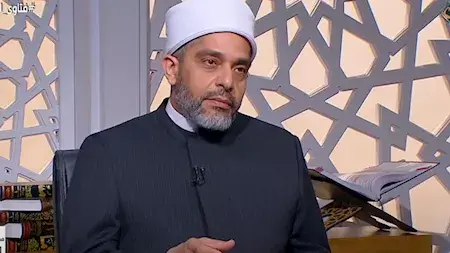
Amin Al-Fatwa Sheikh Ahmed Wassam explained that combining Dhuhr and Asr prayers in advance (jam‘ taqdim) may be permissible in cases of necessity or pressing need, such as continuous work that cannot be interrupted or situations where delaying prayers may lead to hardship or loss of an important benefit.
However, this concession is not meant to become a permanent habit. The default ruling is to perform each prayer at its prescribed time, as maintaining prayer times is a fundamental aspect of worship in Islam.
This is supported by the narration of Ibn Abbas (may Allah be pleased with him), where the Prophet Muhammad (peace be upon him) combined prayers in Madinah without fear or rain. Scholars have interpreted this in some cases as a “formal combination,” meaning each prayer was still performed within its time, but in close succession.
In conclusion, combining Dhuhr and Asr prayers in advance is permissible under specific conditions and necessity, while preserving the general principle of performing prayers on time and avoiding making combining a regular practice without a valid excuse.
For more details and the latest news follow Masr Connect
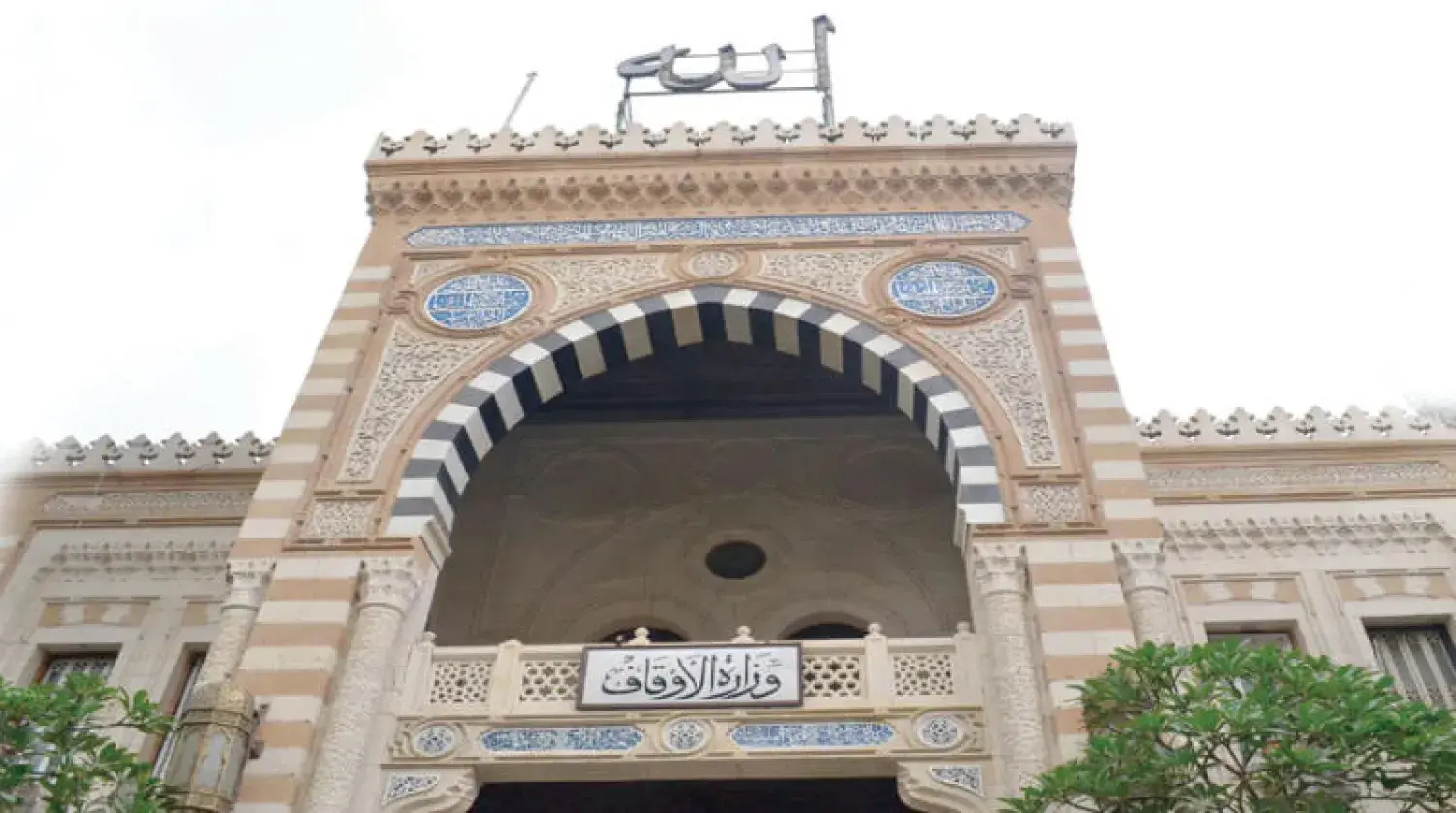
The Ministry of Endowments announced the approval of 25 new female preachers after they successfully passed the required exams, as part of a plan aimed at strengthening women’s role in promoting moderate thought and expanding religious outreach across governorates.

Dar Al-Ifta Al-Masriyyah clarifies the Islamic guidelines for humor, emphasizing that it is permissible when it remains truthful, respectful, and free from harm or religious violations.

The Ministry of Awqaf commemorates the death anniversary of Sheikh Ahmed Soliman Al-Saadani, one of Egypt’s most prominent Qur’an reciters whose voice left a lasting spiritual impact.

In moments of anger, a few words and simple actions can restore peace, calm the heart, and prevent regret.
