Can Eid Prayer Be Performed at Home? Islamic Ruling Explained
Many Muslims wonder whether Eid prayer can be performed at home if they cannot attend mosques or public prayer grounds. Here are the Islamic rulings, prayer time, and the correct way to perform it.
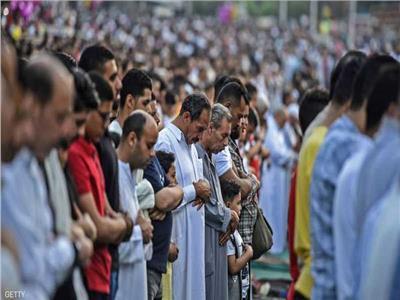

Eid morning is one of the most joyful moments for Muslims, as they gather to perform the Eid prayer, a significant ritual that symbolizes unity, celebration, and gratitude. However, many people often ask whether it is permissible to perform the Eid prayer at home if they cannot attend mosques or open prayer areas.
Islamic scholars explain that the time for Eid prayer begins shortly after sunrise, when the sun rises slightly above the horizon, and it continues until just before the time of the noon prayer begins. This time window allows Muslims to perform the prayer comfortably within the prescribed period.
Performing Eid prayer in mosques or open prayer grounds is considered the best practice, as it reflects the communal spirit of the occasion and brings Muslims together in celebration. Throughout Islamic history, gathering for Eid prayer has been a symbol of unity and shared happiness among the community.
It is recommended that men, women, and children attend the prayer to experience the festive atmosphere of Eid. At the same time, proper prayer etiquette should be observed, including maintaining organized rows and ensuring separation between men's and women's prayer areas.
The Eid prayer itself consists of two units of prayer. In the first unit, the worshipper performs seven additional takbeers after the opening takbeer, followed by the recitation of Surah Al-Fatiha and another chapter from the Quran. In the second unit, five additional takbeers are performed before continuing the prayer.
If a worshipper misses some of the extra takbeers, there is no issue, as these takbeers are considered recommended acts rather than obligatory elements of the prayer.
For those who cannot attend mosques or prayer grounds for any reason, it is permissible to perform the Eid prayer at home. In such cases, the person may pray two units similar to the Eid prayer, or perform four separate units as an alternative form of prayer.
For more details and the latest news, follow Misr Connect.
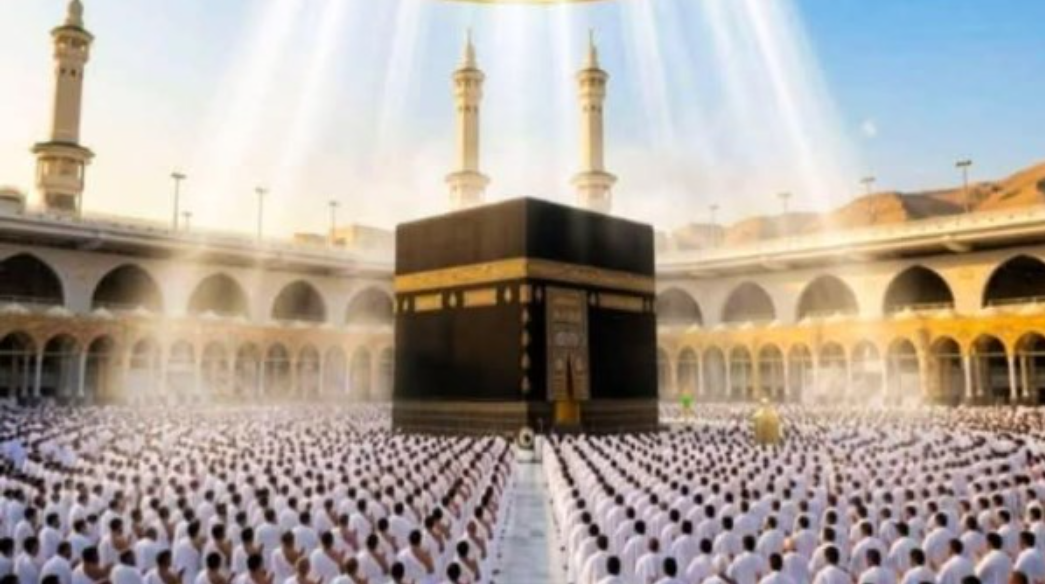
Learn the ruling on skipping Sa’i in Hajj or Umrah according to Egypt’s Dar Al-Ifta, whether with or without excuse, and what must be done in each case.
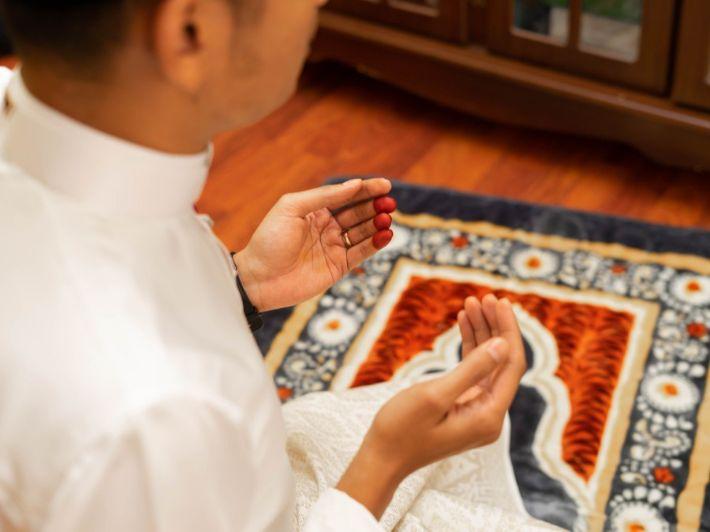
Discover the most powerful authentic duas from Quran and Sunnah, and the best times for answered prayers like last third of the night, Friday, and between Adhan and Iqamah

Key rulings from Al-Azhar and Dar al-Ifta on Hajj mistakes, fasting the early days of Dhu al-Hijjah, and the ruling on making intention for voluntary fasting.
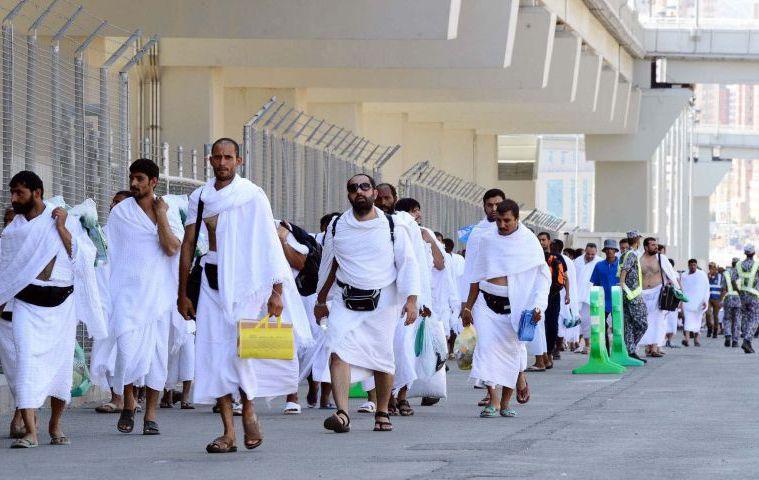
Fasting the first nine days of Dhu al-Hijjah is a highly recommended act of worship with great virtues, offering immense reward and spiritual elevation for Muslims.
