Can Shawwal’s six fasting days be made up in Dhu al-Qi’dah?
A religious clarification explains whether fasting six days of Shawwal can be performed in another month with reward.

Islamic rulings often provide flexibility in worship when valid excuses exist, and one common question concerns fasting the six recommended days of Shawwal outside its month.
Ruling on the six days of Shawwal
The six days of Shawwal are a recommended Sunnah that begins after Eid al-Fitr, carrying the reward of fasting an entire year when combined with Ramadan.
Fasting in Dhu al-Qi’dah
Religious authorities clarify that if a person is unable to fast them in Shawwal due to a valid excuse, it is permissible to make them up in Dhu al-Qi’dah, with hope for full reward.
Intention and reward
If fasting was missed due to legitimate reasons, scholars state that the reward is still hoped for when performed later, based on intention and circumstance.
Prophetic foundation
The practice is based on a prophetic tradition encouraging fasting Ramadan followed by six days of Shawwal for immense spiritual reward.
Nature of the act
This fasting is voluntary, not obligatory, meaning there is no sin in leaving it, but great reward for performing it.
Conclusion
Islamic teachings emphasize ease and flexibility, allowing acts of worship to be completed within the limits of human ability.
For more details and latest news, follow Misr Connect
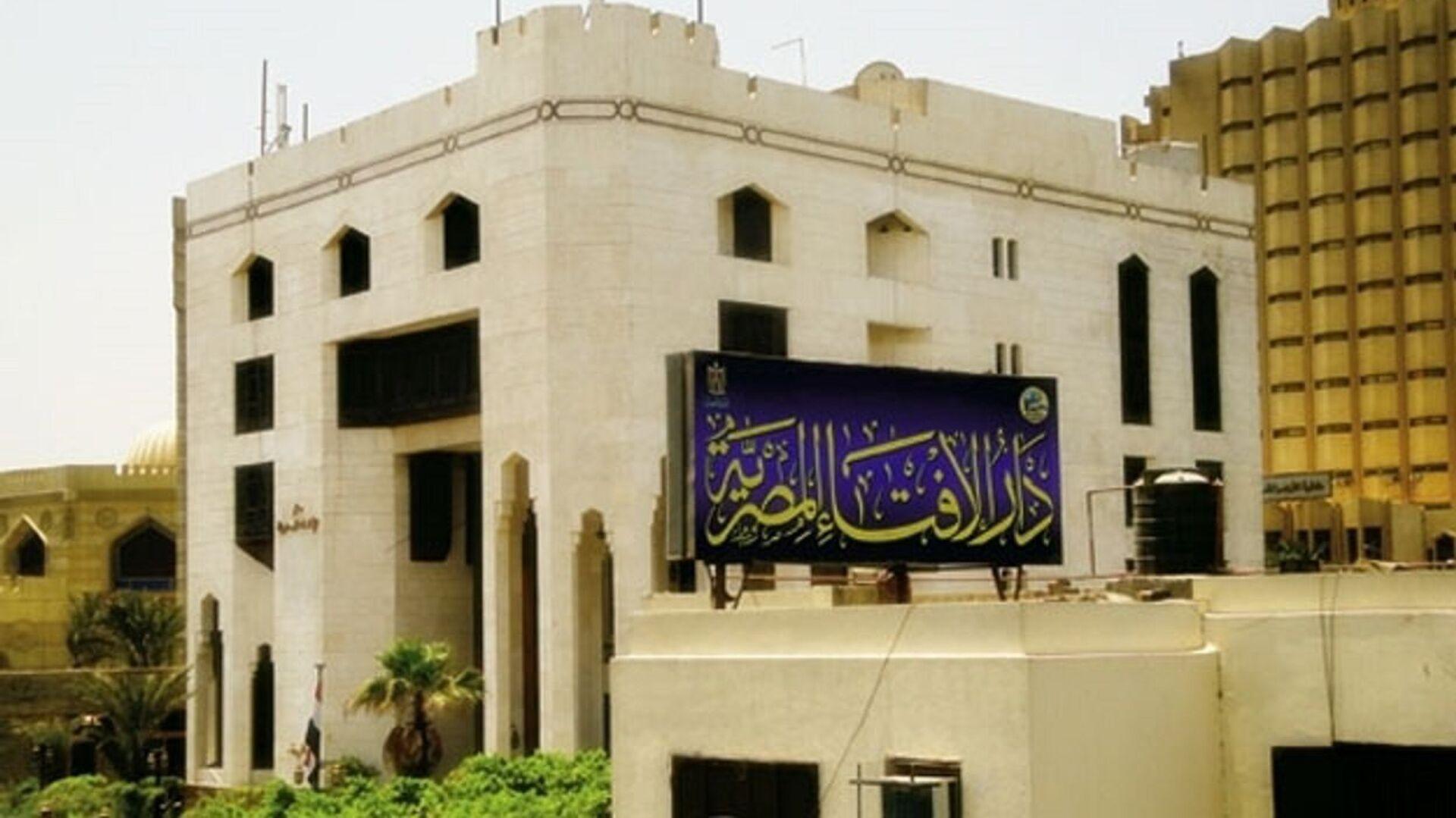
Dar Al-Ifta explains that making up missed fasting days due to menstruation is obligatory for women, with flexibility in timing as long as it is completed before the next Ramadan.

With the arrival of Dhu al-Qi’dah 1447, Muslims turn to supplication and remembrance, embracing one of the sacred months filled with mercy, blessings, and spiritual peace.

Egypt’s Dar al-Ifta explains the Islamic ruling regarding the relationship between a husband and his wife’s sister during marriage.

With the beginning of Dhu al-Qi’dah, many seek special supplications believed to bring relief, peace of heart, and spiritual comfort.
