
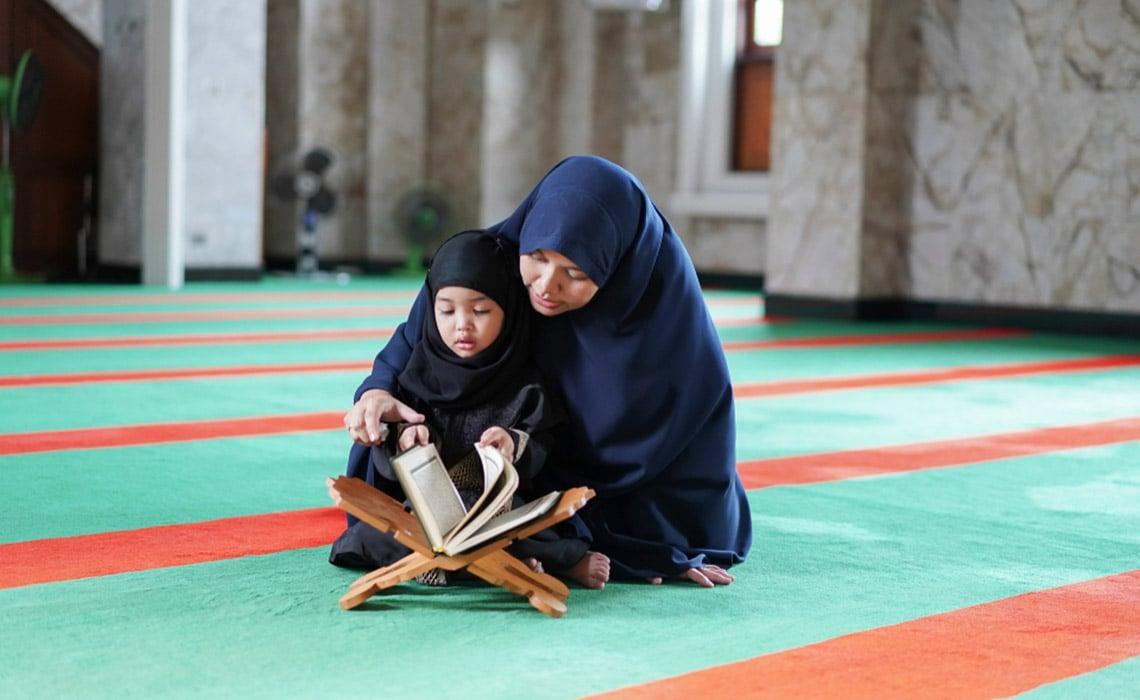

As cultural openness and global influences continue to shape modern societies, many parents are asking how they can preserve their children's identity. Sheikh Mohamed Kamal, Secretary of Fatwa at Egypt's Dar Al-Ifta, addressed this important issue by highlighting the essential foundations that help families build a strong identity for future generations.
H2: Three Pillars of Egyptian Identity
Sheikh Mohamed Kamal explained that Egyptian identity is built upon three main pillars:
- Commitment to religion and its noble values.
- Pride in the homeland, its history, and civilization.
- Preserving the Arabic language, ethics, and authentic traditions.
He emphasized that these principles strengthen children's personalities and help them face modern cultural challenges.
H2: Good Role Models Begin at Home
H3: Children Learn More by Watching Than Listening
According to Sheikh Mohamed Kamal, preserving children's identity starts with parents setting a positive example.
When children see their parents praying, telling the truth, respecting others, and acting honestly, these values naturally become part of their own character.
H2: Patriotism Is a Core Part of Identity
The Dar Al-Ifta official stressed that loving one's homeland is both a religious and national value.
He cited the Prophet Muhammad's words when leaving Makkah:
"How wonderful you are as a land, and how beloved you are to me. Had my people not forced me to leave, I would never have lived elsewhere."
This demonstrates the deep emotional connection between a person and their homeland.
H2: The Arabic Language Preserves Identity
H3: Learning Foreign Languages Should Not Replace Arabic
Sheikh Mohamed Kamal explained that Arabic is more than a communication tool—it is the language of the Quran and the Sunnah and a vessel of culture and thought.
He added that learning foreign languages is beneficial and strengthens personal development, but it should never come at the expense of preserving one's native language.
H2: How Can Families Preserve Children's Identity?
Families can strengthen children's identity by:
- Being positive role models.
- Teaching Islamic and moral values.
- Encouraging love for the homeland.
- Preserving and promoting the Arabic language.
- Passing on authentic traditions and ethical values.
How can parents preserve their children's identity?
By providing good role models, teaching moral values, encouraging patriotism, and preserving the Arabic language.
Why is the Arabic language important?
Because it is the language of the Quran and represents Arab culture, identity, and heritage.
Does learning foreign languages threaten identity?
No. Learning other languages is valuable, provided it does not replace the native language.
What role does the family play?
The family is the first environment where children develop their values, beliefs, and sense of identity.
What are the foundations of Egyptian identity?
Faith, patriotism, the Arabic language, ethical values, and authentic traditions.




