
Many people search for a dua for insomnia when they struggle to fall asleep or repeatedly wake during the night. Islamic teachings include supplications and bedtime adhkar that encourage remembrance of Allah and seeking protection and tranquility.
Supplication and remembrance can be accompanied by practical steps and medical care when sleep problems persist. Trusting Allah does not prevent a person from seeking appropriate treatment.
What Dua Can Be Said for Insomnia?
A supplication reported in connection with insomnia is:
“O Allah, Lord of the seven heavens and all they cover, Lord of the earths and all they contain, Lord of the devils and all they mislead, be a protector for me from the evil of all Your creation, lest any of them transgress against me or wrong me. Mighty is Your protection, exalted is Your praise, and there is no deity but You.”
This supplication can be said when going to bed while turning sincerely to Allah and seeking His protection.
Another Supplication for Restlessness at Night
A supplication also reported in connection with insomnia says:
“O Allah, the stars have disappeared and the eyes have become still, while You are Ever-Living and Sustaining. Neither drowsiness nor sleep overtakes You. O Ever-Living, O Sustainer, calm my night and let my eyes sleep.”
The meaning is a request for calmness, rest, and relief from sleeplessness and anxiety.
The wording is found in some works of hadith and supplication, and its attribution should be distinguished from supplications established through the strongest authenticated reports.
Bedtime Adhkar for Peace and Protection
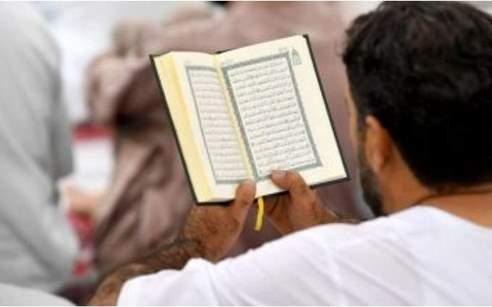
Among the established bedtime practices is reciting Surah Al-Ikhlas, Surah Al-Falaq, and Surah An-Nas, then gently blowing into the hands and wiping the face and whatever part of the body the hands can reach.
The Prophet Muhammad ﷺ practiced this before sleeping.
These recitations are among the important bedtime adhkar and combine Quranic recitation with seeking Allah’s protection and mercy.
Ayat Al-Kursi Before Sleeping
Reciting Ayat Al-Kursi before sleep is also among the well-known bedtime practices in Islamic tradition, along with reciting the final two verses of Surah Al-Baqarah.
Ayat Al-Kursi begins:
“Allah—there is no deity except Him, the Ever-Living, the Sustainer. Neither drowsiness nor sleep overtakes Him.”
Maintaining bedtime remembrance can help make the transition to sleep a time of worship, reflection, and reliance upon Allah.
The Dua: “O Allah, I Have Surrendered Myself to You”
Another established bedtime supplication is:
“O Allah, I have surrendered myself to You, turned my face toward You, entrusted my affairs to You, and committed myself to You, out of hope and fear of You. There is no refuge and no escape from You except with You. I believe in Your Book which You revealed and Your Prophet whom You sent.”
The supplication expresses surrender, trust, and reliance upon Allah before sleep.
Seeking Protection From the Devils Before Sleep
A supplication that can be said when lying down is:
“In the name of Allah, I seek refuge in the perfect words of Allah from His anger and punishment, from the evil of His servants, from the whisperings of the devils, and from their presence.”
This may be included among a person’s evening and bedtime remembrance, particularly when fear or distress accompanies sleep.
Is Dua Alone Enough to Treat Insomnia?
Supplication and remembrance can be sources of spiritual comfort and tranquility, but persistent insomnia should not automatically be treated as a purely spiritual problem.
If sleep difficulties continue, occur frequently, or significantly interfere with work, study, or daily life, it is important to seek professional medical advice.
Insomnia can have different causes, including stress, anxiety, irregular sleep schedules, health conditions, medications, and other factors. Treatment therefore depends on the individual situation.
Combining Supplication With Practical Steps
Islam encourages both reliance upon Allah and taking appropriate means. A person can maintain dua and remembrance while also adopting healthy sleep habits.
These may include keeping a regular sleep and wake schedule, limiting stimulants in the evening, creating a comfortable sleeping environment, and reducing electronic-device use before bedtime.
If the problem persists or becomes more severe, consulting a qualified healthcare professional can help identify its cause and determine appropriate treatment.
A Short General Dua for Restful Sleep
A Muslim may also make a general supplication such as:
“O Allah, bring tranquility to my heart, calm my mind, remove my anxiety and sleeplessness, grant me peaceful sleep and rest for my body and soul, and protect me through Your mercy and care.”
This is a general supplication and should not be presented as a prophetic hadith.
What is a dua for insomnia from the Sunnah?
Among the reported supplications is: “O Allah, Lord of the seven heavens and all they cover... Mighty is Your protection, exalted is Your praise, and there is no deity but You.”
What should I say when I cannot sleep?
You can recite established bedtime adhkar, including Al-Ikhlas, Al-Falaq, An-Nas, and Ayat Al-Kursi, and make supplications reported for restlessness and insomnia.
Can Quran recitation help with nighttime tranquility?
Reciting the Quran and remembering Allah are acts of worship associated with tranquility and spiritual comfort, and established bedtime recitations can be maintained as part of a nightly routine.
When should someone see a doctor for insomnia?
If insomnia persists, repeatedly returns, interferes with daily activities, or occurs with significant fatigue or other symptoms, seeking medical advice is appropriate.
Can I make my own dua for insomnia?
Yes. Muslims may make personal supplications with sound and lawful meanings, but a personal wording should not be attributed to the Prophet ﷺ without reliable evidence.