Dua for Worry and Sadness: Authentic Supplications from the Sunnah
Authentic supplications from the Sunnah provide words of comfort for those experiencing worry, sadness, distress, or hardship, including prayers for relief, mercy, and peace of heart.
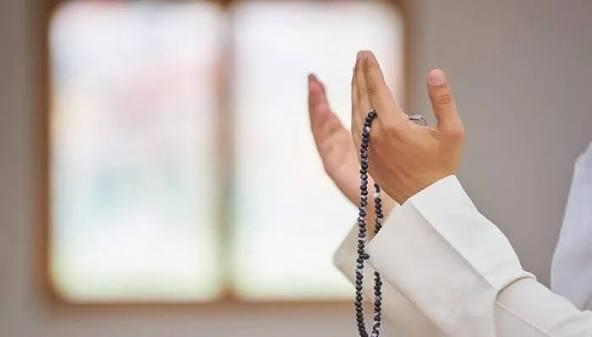

What is the dua for worry and sadness? The Sunnah contains authentic supplications that combine reliance upon Allah, seeking His protection, asking for mercy, and requesting relief from distress and hardship.
Dua for Removing Worry and Sadness
One of the well-known supplications reported in the Sunnah is a comprehensive dua in which the believer acknowledges complete dependence upon Allah and asks Him to make the Quran a source of comfort and relief:
“O Allah, I am Your servant, the son of Your servant, the son of Your maidservant. My forelock is in Your hand. Your command over me is forever executed and Your decree over me is just. I ask You by every name belonging to You which You have named Yourself with, or revealed in Your Book, or taught to any of Your creation, or kept hidden in the knowledge of the unseen with You, to make the Quran the spring of my heart, the light of my chest, the removal of my sadness, and the departure of my worry.”
This supplication expresses the believer’s complete submission to Allah and asks that the Quran become a source of light, tranquility, and relief from sadness and worry.
Dua for Seeking Protection from Worry and Sadness
Among the authentic supplications of the Prophet Muhammad, peace and blessings be upon him, is:
“O Allah, I seek refuge in You from worry and sadness, from incapacity and laziness, from cowardice and miserliness, from the burden of debt and from being overcome by men.”
This is a comprehensive supplication because it seeks Allah’s protection from several forms of hardship, including worry, sadness, weakness, laziness, debt, and being overwhelmed by others.
Dua for Severe Distress
The Sunnah also includes a supplication for distress that emphasizes the greatness and oneness of Allah:
“There is no deity except Allah, the Most Great, the Most Forbearing. There is no deity except Allah, Lord of the Mighty Throne. There is no deity except Allah, Lord of the heavens, Lord of the earth, and Lord of the Noble Throne.”
The dua combines the affirmation of Allah’s oneness with the recognition of His greatness and is among the supplications reported in times of severe distress.
The Dua of Yunus for Relief from Distress
One of the most famous supplications associated with relief from hardship is the dua of Prophet Yunus (Jonah), peace be upon him:
“There is no deity except You; glory be to You. Indeed, I have been among the wrongdoers.”
Allah mentions this supplication in the Quran in Surah Al-Anbiya:
“So he called out within the darknesses: There is no deity except You; glory be to You. Indeed, I have been among the wrongdoers. So We responded to him and saved him from the distress. And thus do We save the believers.”
This short but profound supplication combines belief in Allah’s oneness, glorification of Him, and acknowledgment of one’s shortcomings. It is therefore among the powerful duas associated with hardship and distress.
Dua for Seeking Mercy and Asking Allah to Set Matters Right
Another supplication reported in the Sunnah is:
“O Allah, Your mercy I hope for, so do not leave me to myself even for the blink of an eye, and set right all of my affairs. There is no deity except You.”
This dua expresses the believer’s hope in Allah’s mercy and dependence upon Him to rectify all matters.
What Should a Muslim Say When Feeling Worried or Distressed?
When experiencing worry, sadness, or distress, a Muslim may turn to Allah through supplication and remembrance while reflecting upon the meanings of the words being recited.
The supplications mentioned above contain profound meanings, including belief in Allah’s oneness, reliance upon Him, seeking His protection, hoping for His mercy, and asking Him to remove distress and set one’s affairs right.
What is the best dua for worry and sadness?
Among the authentic supplications is: “O Allah, I am Your servant, the son of Your servant, the son of Your maidservant...” It includes asking Allah to make the Quran the spring of the heart and the removal of sadness and worry.
What is the dua for severe distress?
Among the supplications reported for distress is: “There is no deity except Allah, the Most Great, the Most Forbearing. There is no deity except Allah, Lord of the Mighty Throne.”
What is the dua of Prophet Yunus?
The dua of Prophet Yunus is: “There is no deity except You; glory be to You. Indeed, I have been among the wrongdoers.”
What dua can be said when feeling worried?
A person can say the authentic supplication: “O Allah, I seek refuge in You from worry and sadness, from incapacity and laziness...”
What should I say when feeling distressed?
A Muslim can turn to Allah with authentic supplications from the Sunnah, including the dua for distress, the dua of Yunus, and the supplication seeking protection from worry and sadness.

Learn powerful supplications for protecting children from harm, guiding them toward righteousness, granting them health and safety, and asking Allah to bless their lives.

Umar ibn Al-Khattab رضي الله عنه was approximately 51 years old when Prophet Muhammad ﷺ died, according to the commonly cited chronological account

The death of Prophet Muhammad ﷺ was a profound shock to the Muslim community. Abu Bakr رضي الله عنه responded with remarkable faith, wisdom, and steadfastness.

Egypt’s Dar Al-Ifta explains the ruling on an elderly worshipper who finds it extremely difficult and exhausting to speak while praying behind the imam.
