What Is the Dua That Helps Stop Overthinking During Prayer?
Intrusive thoughts and distractions during prayer can affect concentration and khushu. Islamic teachings encourage seeking refuge in Allah from Satan and focusing on the meanings of the prayer.

A Muslim may sometimes experience many thoughts and distractions while praying. These thoughts can make it difficult to maintain concentration and achieve khushu, or spiritual focus and humility.
The Prophet Muhammad ﷺ taught Muslims to seek refuge in Allah from Satan when experiencing persistent whispers and distractions.
One of the most important things to say is:
“I seek refuge in Allah from the accursed Satan.”
When experiencing severe whispers during prayer, the Sunnah also includes lightly blowing toward the left three times.
Seeking Refuge From Satan During Prayer
When a person feels that Satan is distracting him from prayer and causing persistent whispers, he should seek refuge in Allah from the accursed Satan and lightly blow toward his left three times.
The Prophet ﷺ gave this guidance to Uthman ibn Abi Al-As رضي الله عنه when he complained about distractions during prayer. He followed the Prophet's instruction, and the whispers he had been experiencing went away.
This shows that seeking refuge in Allah is an important Prophetic method for dealing with intrusive thoughts during prayer.
The Dua “O Allah, Help Me Remember You”
Another beautiful supplication is:
“O Allah, help me remember You, give thanks to You, and worship You well.”
This is a comprehensive dua asking Allah for help in remembering Him, showing gratitude, and performing acts of worship properly.
It is therefore an excellent supplication for anyone seeking to strengthen their relationship with Allah and improve their worship.
Seeking Protection From Satan
A Muslim may also seek Allah's protection by saying:
“O Allah, I seek refuge in You from the accursed Satan, from his whispers, his blowing, and his influence.”
Seeking refuge in Allah means turning to Him for protection from Satan and his attempts to distract the believer.
The important point is not to follow every thought that enters the mind during prayer.
How Can I Stop Overthinking During Prayer?
Reducing distractions during prayer requires patience and practice. A Muslim should not abandon or restart the prayer simply because an unwanted thought appears.
Several practices can help increase concentration:
Reflect on the meanings:
Try to understand and reflect upon the meanings of Al-Fatihah, the Quranic verses, and the supplications recited during prayer.
Prepare for prayer:
Perform ablution calmly, go to prayer without unnecessary haste, and reduce distractions before beginning.
Do not engage with intrusive thoughts:
When a thought appears, do not debate with it or follow it. Simply let it pass and bring your attention back to the recitation and remembrance of Allah.
Seek refuge when whispers become intense:
If the distractions become overwhelming, seek refuge in Allah from Satan and lightly blow toward your left three times, following the Prophetic guidance.
Does Thinking During Prayer Invalidate the Prayer?
Simply having thoughts or distractions during prayer does not, by itself, invalidate the prayer.
However, excessive distraction can affect the quality of one's khushu and concentration. Therefore, Muslims are encouraged to continually bring their attention back to the prayer whenever their minds wander.
Khushu Requires Continuous Effort
Khushu can vary from one prayer to another. A person may experience deep concentration in one prayer and struggle with distractions in another.
What matters is continuing to strive for greater focus and refusing to surrender to persistent whispers.
Remembering that you are standing before Allah, reflecting on the words being recited, and avoiding unnecessary engagement with distracting thoughts can help bring greater tranquility and concentration to prayer.
Conclusion
When experiencing distracting thoughts and whispers during prayer, one of the most important Prophetic practices is to seek refuge in Allah from the accursed Satan and lightly blow toward the left three times.
Reflecting on the meanings of the Quran and supplications, preparing calmly for prayer, reducing distractions, and asking Allah for help can also contribute to greater khushu and peace of heart.
What dua helps stop distracting thoughts during prayer?
Seek refuge in Allah from the accursed Satan and lightly blow toward the left three times when the whispers become intense.
Can I say, “O Allah, help me remember You, thank You, and worship You well”?
Yes. It is a comprehensive supplication asking Allah to help the believer maintain good worship.
Does overthinking invalidate prayer?
Ordinary thoughts and distractions do not automatically invalidate prayer, although they can reduce concentration and khushu.
What should I do when I experience many whispers during prayer?
Seek refuge in Allah, lightly blow toward your left three times, ignore the thoughts, and continue your prayer.
How can I increase khushu in prayer?
Reflect on the meanings of the Quran and supplications, prepare calmly for prayer, reduce distractions, and avoid engaging with intrusive thoughts.

Learn how to seek protection when leaving home through authentic Islamic supplications and remembrance, including the prophetic dua for guidance, reliance upon Allah, and protection.

The best way to deal with waswas during prayer is to seek refuge in Allah, ignore recurring doubts, avoid repeatedly restarting prayer or ablution, and focus on remembrance and tranquility.
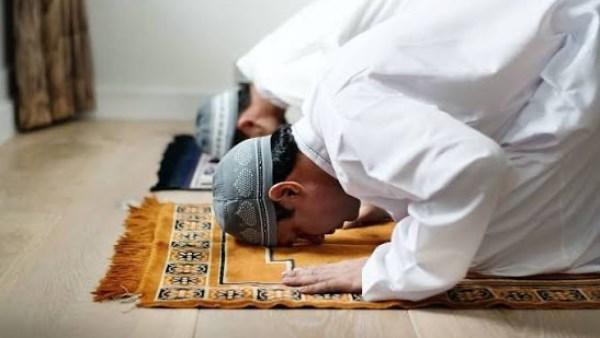
Egypt’s Dar Al-Ifta explains when praying behind the imam from a hotel via television is valid and how the connection of prayer rows affects the ruling

Learn what Muslims are recommended to recite after every obligatory prayer, including Ayat Al-Kursi, the three Mu’awwidhat, istighfar, tasbih, and other Sunnah supplications
