
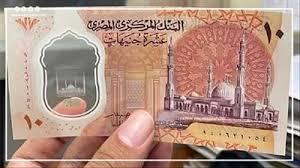

Egypt’s Dar Al-Iftaa has issued a stern warning against writing or drawing on official paper currency, emphasizing that such acts represent both a religious sin and a legal offense. The religious authority clarified that currency is not a mere piece of paper but a representation of the country’s financial stability and sovereignty, which must be respected and protected.
In its official statement, Dar Al-Iftaa stressed that Islam places great importance on safeguarding wealth and prohibits any action that leads to waste or destruction of public property. Writing on currency, even as a personal mark or souvenir, constitutes an act of defacement that devalues the currency and disrupts its circulation in financial markets.
The institution further explained that altering or damaging banknotes contradicts both religious ethics and national responsibility, as such acts can cause economic harm by reducing the usability of money in official transactions.
Grand Mufti Dr. Nazir Ayyad also addressed a related issue concerning employees accepting personal payments for faster service, clarifying that such behavior falls under bribery, which is strictly forbidden in Islam. He urged all workers to seek lawful earnings and uphold integrity in their professional duties.
Dar Al-Iftaa concluded its statement by urging citizens to respect the national currency, describing it as a symbol of Egypt’s pride and economic strength, and emphasizing that protecting it is a shared moral and civic duty.




