A Fatwa Official Explains the Ruling on a Worker Causing Damage to Work Tools

Egypt's Dar Al-Ifta clarified the Islamic ruling on employees damaging work equipment, explaining the difference between intentional damage, negligence, and unavoidable accidents.

  Wed , July 22 2026 / 07:23 PM Updated At: 2026-07-22 19:23:00

Dr. Ali Fakhr, Secretary of Fatwa at Egypt's Dar Al-Ifta, explained the Islamic ruling regarding an employee damaging work equipment or causing financial loss while performing their duties.

He stated that Islamic law is guided by the principle: "Harm must be removed", which aims to ensure justice and remove unfair harm from all parties involved.

The Difference Between Intentional Damage and Accidental Damage

Dr. Fakhr explained that the ruling depends on distinguishing between two main situations:

Intentional Damage or Negligence

If an employee intentionally damages work equipment, or causes damage through clear negligence, they are responsible for the loss and may be required to bear its consequences.

This is because the damage resulted from the employee's own action or failure to fulfill their duty properly.

Accidental Damage or Force Majeure

If the damage occurs unintentionally, such as through an unexpected accident, loss of balance, or circumstances beyond the employee's control, the employee is not held sinful under Islamic law.

Dar Al-Ifta clarified that such cases are not treated the same as deliberate damage, because intention is a key factor in determining responsibility.

The Principle: "Harm Must Be Removed"

The fatwa emphasized that the principle "Harm must be removed" is one of the major legal maxims in Islamic jurisprudence.

Therefore, the ruling is not based merely on the occurrence of damage, but on determining whether it was caused intentionally, through negligence, or by circumstances beyond the employee's control.

How Are the Rights of Both Parties Protected?

Dr. Fakhr also explained that Islamic law protects the right of both the employee and the employer to seek justice when a dispute arises.

If the Employee Works Through a Company

If the employee is assigned through an intermediary company, they may first submit their complaint to that company if they suffer injustice, such as delayed wages or breach of agreement.

If the Employee Works Directly for the Employer

If the employee works directly for the employer, they may approach the competent legal authorities and file an official complaint.

The Employer's Right in Case of Damage

Likewise, if the employee causes damage through negligence or misconduct, the employer also has the right to seek legal recourse through the appropriate authorities.

Dar Al-Ifta stressed that the competent authorities are responsible for resolving disputes fairly and protecting the rights of both parties.

Conclusion

According to Dar Al-Ifta, an employee is liable for damage caused intentionally or through negligence.

However, if the damage occurs unintentionally or due to force majeure, the employee is not held blameworthy under Islamic law.

In all disputes, the matter should be referred to the competent authorities to ensure justice and protect the rights of both the employee and the employer.

Is an employee liable for damaged work equipment?

Yes, if the damage was caused intentionally or through negligence.

What if the damage was accidental?

If it resulted from an unavoidable accident or force majeure, the employee is not held blameworthy.

Can the employer decide the matter alone?

The employer may claim their right, but disputes should be resolved through the competent authorities.

Where should an employee go if treated unfairly?

They may approach the intermediary company first, if applicable, or file a complaint with the relevant legal authorities.

What is the main Islamic principle in this issue?

The guiding principle is: "Harm must be removed", while distinguishing between intentional and unintentional damage.

Jul 22
الدعاء

Learn about the best Istighfar dua mentioned from Prophet Muhammad ﷺ, the meaning of Sayyid al-Istighfar, the best times for seeking forgiveness, and the most recommended phrases for repentance.

Jul 22
أذكار المساء

Discover the complete evening adhkar written from the Quran and Sunnah, including Ayat Al-Kursi, Al-Mu’awwidhat, and powerful daily supplications.
Jul 22
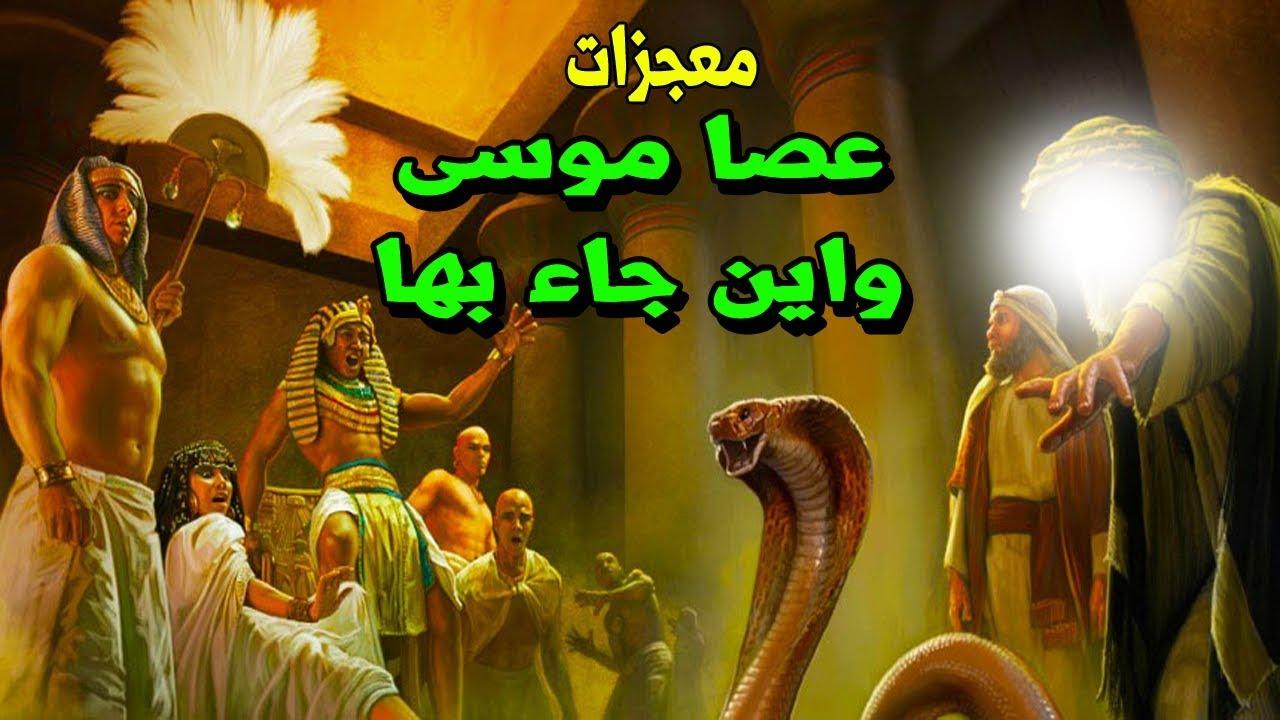
قصة سيدنا موسى وفرعون والسحرة ومعجزة العصا في القرآن الكريم

Discover the story of Moses, Pharaoh, and the magicians, and how Allah revealed the miracle of the staff and defeated magic before the eyes of the people.

Jul 22
الدعاء

Discover the best accepted duas for fulfilling wishes, relieving distress, and seeking Allah’s mercy, along with the proper etiquette and conditions for having your prayers answered.