Fatwa Secretary Explains the Ruling on Wudu Order
The Egyptian Fatwa House clarifies the ruling on performing wudu in order, stating that order is not essential for validity but is preferable and complete according to the Prophet’s practice.


The Egyptian Fatwa House clarifies the ruling on performing wudu in order, stating that order is not essential for validity but is preferable and complete according to the Prophet’s practice.
Content (English):
Dr. Ahmed Abdel Azim, Fatwa Secretary at the Egyptian Dar al-Ifta, answered a follower’s question: “Is it necessary to perform wudu in order, or can the steps be done without following the sequence?”
He explained that performing wudu without following the sequence is valid according to the majority of scholars, including the Maliki, Hanafi, and Hanbali schools, because order is not a pillar or a condition for validity.
However, he emphasized that the best and most complete way is to follow the order prescribed by the Prophet ﷺ, as it unites the scholarly opinions, ensures the correctness of the worship, and increases reward and merit.
Dr. Abdel Azim also noted that the Shafi‘i school considers the order a pillar of wudu, meaning wudu is invalid without it, so it is recommended to follow the sequence to avoid dispute and adhere to the Prophet’s ﷺ practice.
Recommended Order of Wudu:
Wash the face first.
Wash the hands up to the elbows.
Wipe the head.
Wash the feet up to the ankles.
Following this sequence ensures a valid wudu according to all scholars and aligns with the Prophet’s ﷺ practice, achieving proper and complete worship.
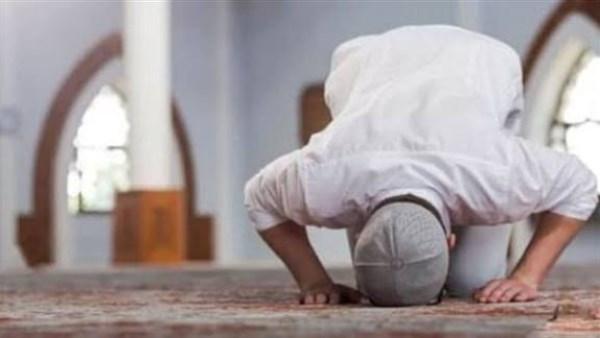
Learn the supplications recited during Salah, including Dua Al-Istiftah, prayers for bowing and prostration, between the two prostrations, and before salam.
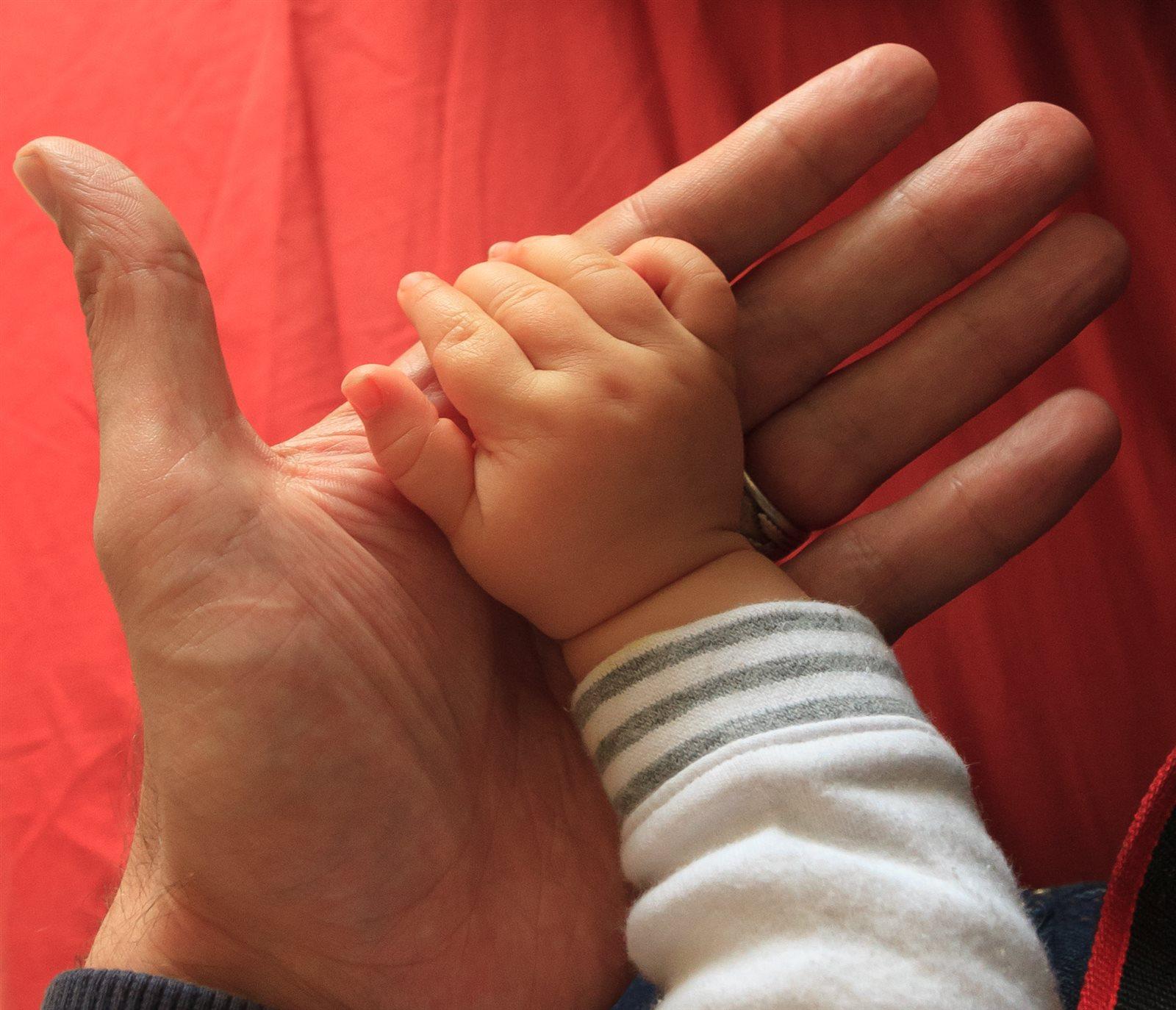
Discover comprehensive Islamic duas for protecting children, seeking their health, safety, righteousness and guidance, with supplications parents can recite for their children.
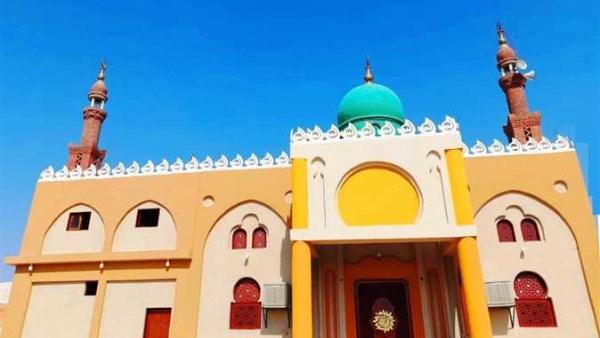
Egypt’s inistry of Awqaf will open 19 mosques on Friday, August 21, 2026, as part of its nationwide plan to build, renovate, maintain and develop mosques.
Sheikh Mohamed Kamal explains the Islamic view of loving and honoring the Prophet, highlighting his elevated status in the Quran and the importance of reverence for him.
