Fatwas & Rulings | Praying with Perfume on Clothes, Giving Charity with Multiple Intentions, and Delaying Prayer Due to Janabah
Egypt’s Dar Al-Ifta clarified several common religious questions including praying with perfume, giving charity with multiple intentions, and delaying prayer due to the state of major impurity (janabah).


Misr Connect highlights the most recent Islamic fatwas issued by Dar Al-Ifta and the Islamic Research Academy addressing practical and spiritual matters faced by Muslims in daily life — including perfume during prayer, charity intentions, and delaying prayer after janabah.
Praying with Perfume on Clothes:
Dar Al-Ifta stated that it is recommended for men to wear perfume before prayer, as Allah says in the Quran: “Take your adornment at every mosque.” Cleanliness and fragrance are part of this adornment.
For women, it is better not to wear perfume when praying, especially if they are in places where men could smell it, though it is permissible if the perfume was applied earlier without intent to beautify for prayer.
Women are also encouraged to keep special garments for prayer to appear in purity and dignity before Allah.
Giving Charity with Multiple Intentions:
Dr. Mahmoud Shalaby, Secretary of Fatwa at Dar Al-Ifta, affirmed that giving charity with multiple intentions is permissible. A person may donate for Allah’s pleasure, seeking blessings, healing, or relief from hardship — all of which are valid and rewarded if sincere.
Charity is among the greatest acts of worship, bringing blessings to wealth and protection from calamity. It can also take non-financial forms, such as providing food, medicine, or support to those in need.
Sheikh Ahmed Mamdouh added that if an appointed charity distributor is poor, he may take a reasonable share following the Maliki opinion, though the Shafi’i scholars discourage it without explicit permission.
Delaying Prayer Due to Janabah:
Dr. Magdy Ashour clarified that delaying ghusl (ritual bath) is not sinful unless it causes the prayer to be missed. In that case, the sin lies in neglecting the prayer, not in delaying purification itself.
Sheikh Khaled El-Gendy stressed that deliberately postponing ghusl until after prayer time expires is forbidden since purity is a prerequisite for valid prayer.
How to Perform Ghusl:
Dar Al-Ifta outlined the proper steps for ghusl: intention, washing the hands and private parts, performing wudu (ablution), washing the head three times, and ensuring water reaches all parts of the body.
Following the Prophet’s ﷺ sunnah in purification brings great reward and spiritual cleanliness befitting a believer’s prayer.
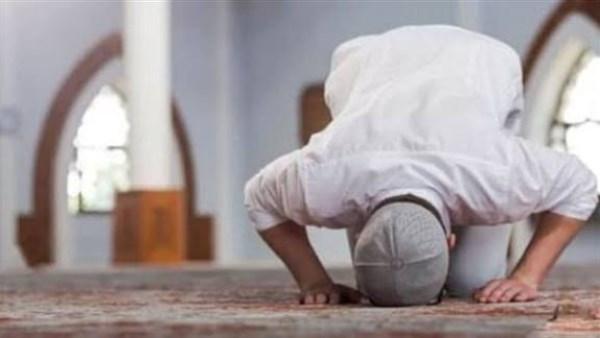
Learn the supplications recited during Salah, including Dua Al-Istiftah, prayers for bowing and prostration, between the two prostrations, and before salam.

Discover comprehensive Islamic duas for protecting children, seeking their health, safety, righteousness and guidance, with supplications parents can recite for their children.

Egypt’s inistry of Awqaf will open 19 mosques on Friday, August 21, 2026, as part of its nationwide plan to build, renovate, maintain and develop mosques.

Sheikh Mohamed Kamal explains the Islamic view of loving and honoring the Prophet, highlighting his elevated status in the Quran and the importance of reverence for him.
