
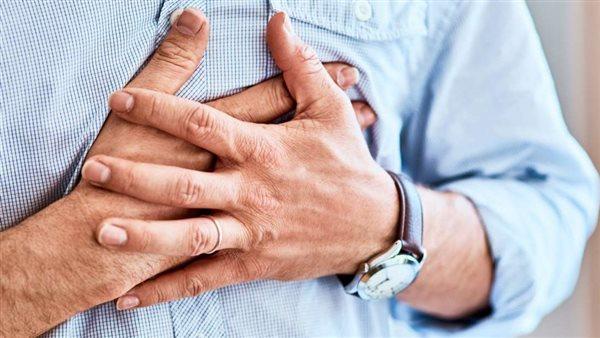

A heart attack can strike without warning, even in the safety of your home. What happens within the first hour can determine the difference between life and death, as rapid response during these critical moments can restore heartbeat and save a life.
A heart attack occurs when a blockage in a coronary artery prevents oxygen-rich blood from reaching part of the heart muscle. In contrast, sudden cardiac arrest is more severe, caused by an electrical disturbance that stops the heart from pumping effectively, cutting off blood flow to the brain within minutes.
During these moments, time becomes the most valuable factor. The brain cannot survive without oxygen for more than 4 to 6 minutes, making immediate intervention essential. Cardiopulmonary resuscitation (CPR) helps maintain blood flow, while a defibrillator can restore a normal heart rhythm in certain cases.
Warning signs that must not be ignored include sudden loss of consciousness, absence of pulse, abnormal or irregular breathing, and lack of response. If these symptoms appear, emergency services must be contacted immediately.
After calling for help, CPR should begin right away by applying firm and regular chest compressions at a rate of 100 to 120 compressions per minute, continuing until help arrives. If an automated external defibrillator (AED) is available, it should be used immediately as it provides step-by-step instructions.
In many cases, the real danger lies not in the condition itself but in hesitation. Delays caused by fear or uncertainty can cost precious minutes, which may determine survival. Awareness and prior training can make all the difference.
Prevention remains key. Risk factors such as high blood pressure, diabetes, obesity, smoking, and lack of physical activity increase the likelihood of cardiac events. Regular check-ups and a healthy lifestyle significantly reduce these risks.
Learning CPR is no longer optional—it is a vital life skill. A stopped heart is not always the end; with quick action, it can beat again.
For more details and the latest updates, follow the Egypt Connect website




