
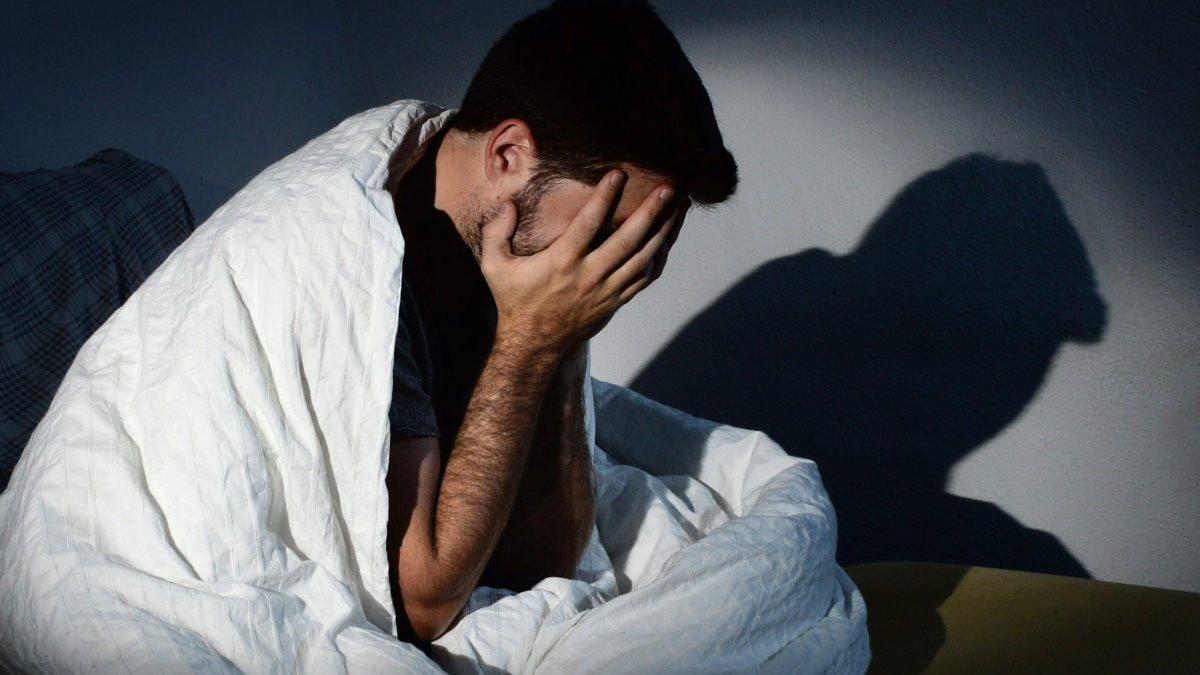

Dr. Mohamed Abdel-Samee, a fatwa secretary at Egypt’s Dar Al-Ifta, addressed the question: How can I get rid of sleep paralysis in Islam?
He explained that sleep paralysis is generally viewed as a sleep-related or psychological condition and that there is no specific authentic religious text describing it as a supernatural phenomenon or establishing a particular religious explanation for it.
He added that the Prophet Muhammad ﷺ taught Muslims various practices and supplications before sleep, including going to bed in a state of ritual purity, which can help promote calmness and reassurance.
What Bedtime Practices Can Help Promote Calmness?
The Dar Al-Ifta official recommended performing ablution before going to sleep and following the established practices associated with bedtime in the Sunnah.
He also mentioned that the Prophet Muhammad ﷺ would recite Al-Fatihah and sleep on his right side, practices that Muslims may follow as part of their bedtime routine.
Following these practices does not mean that every sleep-related disturbance has a religious cause. Rather, they are recommended practices that can help a Muslim approach sleep with greater calm and spiritual reassurance.
Is Sleep Paralysis a Psychological Disorder?
Dr. Mohamed Abdel-Samee explained that sleep paralysis may be associated with psychological or sleep-related problems. Therefore, it should not automatically be treated as a supernatural phenomenon without considering possible medical explanations.
He also stressed that seeking help from a mental health professional when the problem becomes recurrent is not something to be ashamed of. Psychological conditions, like other health conditions, may require appropriate evaluation and treatment.
When Should You See a Doctor About Sleep Paralysis?
Dr. Mohamed Al-Mahdi, a professor of psychiatry at Al-Azhar University, explained that a sleep paralysis episode can involve three main stages.
It may begin with a frightening dream, followed by awareness accompanied by an inability to move, and then the gradual return of normal movement.
He noted that such episodes may occur once or twice during a person’s lifetime and can sometimes be associated with stress.
However, when sleep paralysis becomes recurrent, consulting a qualified specialist can help identify possible causes and determine an appropriate approach.
Is Recurrent Sleep Paralysis Normal?
Frequent episodes of sleep paralysis deserve attention, particularly when they begin to interfere with sleep quality or daily life.
Seeking medical advice can help distinguish occasional sleep paralysis from a recurring sleep problem that may require professional assessment.
The Difference Between Sleep Paralysis, Nightmares, and Night Terrors
Dr. Mohamed Al-Mahdi explained that sleep paralysis differs from nightmares and night terrors, even though some symptoms may appear similar.
Sleep Paralysis
Sleep paralysis can occur when a person experiences a frightening dream or sensation while temporarily being unable to move. Normal movement returns after the episode ends.
Nightmares
A nightmare is a disturbing or frightening dream, but it does not necessarily involve temporary paralysis or an inability to move after becoming aware.
Night Terrors
Night terrors involve a sudden frightening episode during sleep. A person may wake up confused or distressed and may later have little or no memory of what happened.
Does Sleep Paralysis Have a Specific Basis in Islam?
According to the explanation provided by the Dar Al-Ifta official, there is no Prophetic hadith specifically establishing sleep paralysis as a distinct religious or supernatural phenomenon.
At the same time, the Sunnah includes established bedtime practices and supplications, including performing ablution and sleeping on the right side.
When sleep paralysis becomes frequent, combining recommended bedtime practices with appropriate medical evaluation can provide a balanced approach rather than automatically attributing the condition to supernatural causes.
How can I get rid of sleep paralysis in Islam?
Following recommended bedtime practices, such as ablution and sleeping on the right side, may provide reassurance. Recurrent episodes should be medically assessed.
Does sleep paralysis have a specific basis in Islamic teachings?
According to the cited Dar Al-Ifta explanation, there is no Prophetic hadith specifically describing sleep paralysis as a distinct religious phenomenon.
Is sleep paralysis a psychological disorder?
It may be associated with sleep-related or psychological factors, and a specialist can help determine the underlying cause when episodes recur.
What is the difference between sleep paralysis and a nightmare?
Sleep paralysis involves temporary inability to move, while a nightmare is a frightening dream without necessarily involving paralysis.
When should I see a doctor about sleep paralysis?
If episodes become frequent or begin affecting sleep and daily life, consulting a qualified specialist is recommended.




