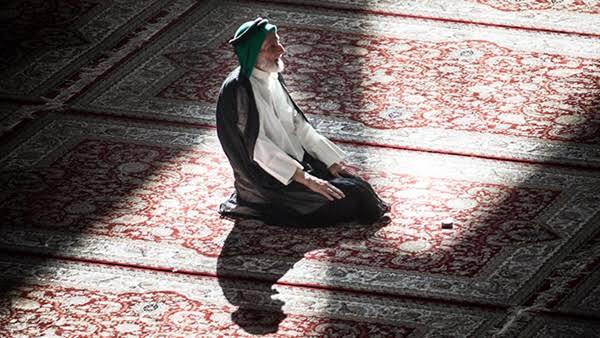

Salat al-Hajah is a voluntary prayer performed when a Muslim turns to Allah seeking help with a particular need. It consists of two non-obligatory rak'ahs, followed by supplication after completing the prayer.
The worshipper should approach the prayer with sincerity, humility, and trust in Allah, asking Him to fulfill the need if it is good for them.
Steps for Performing Salat al-Hajah
1. Perform Wudu
The Muslim begins by performing and completing wudu, then prepares for prayer in a clean place while focusing the heart on worshipping Allah.
2. Make the Intention
The intention is made in the heart to perform Salat al-Hajah for the sake of Allah. It is not necessary to verbalize the intention.
3. Pray Two Rak'ahs
The worshipper performs two rak'ahs in the same general manner as a voluntary prayer.
In each rak'ah, they recite Al-Fatihah followed by whatever portion of the Quran is easy for them, then complete the bowing and prostration as usual.
After completing the second rak'ah, they sit for the final testimony and end the prayer with taslim.
What Supplication Is Said After Salat al-Hajah?
After completing the prayer, the worshipper praises Allah and sends blessings upon Prophet Muhammad, peace and blessings be upon him, before making the supplication for their need.
Among the supplications associated with Salat al-Hajah is:
“There is no god but Allah, the Forbearing, the Generous. Glory be to Allah, Lord of the Mighty Throne. Praise belongs to Allah, Lord of the worlds. I ask You for the means of Your mercy, the causes of Your forgiveness, a share of every good deed, and safety from every sin. Do not leave any sin of mine without forgiving it, any worry without relieving it, or any need that pleases You without fulfilling it, O Most Merciful of those who show mercy.”
The worshipper may then ask Allah for their specific lawful need and make any other appropriate supplication.
How Many Rak'ahs Are in Salat al-Hajah?
Salat al-Hajah is performed as two voluntary rak'ahs. It is prayed like other voluntary prayers, followed by supplication after the taslim.
Can Salat al-Hajah Be Prayed at Any Time?
Voluntary prayers should generally be performed during permissible prayer times rather than the established times in which voluntary prayer is prohibited or discouraged. Therefore, the worshipper should choose an appropriate time for the two rak'ahs.
What If the Need Is Not Immediately Fulfilled?
If a person's need is not fulfilled in the exact way they expected, this does not mean that their supplication was without benefit. A person may continue to ask Allah while maintaining trust that the outcome may involve a delay, a different form of benefit, or the prevention of something harmful.
Is Salat al-Hajah two rak'ahs?
Yes. It is performed as two voluntary rak'ahs, followed by supplication.
Is it necessary to say the intention aloud?
No. The intention is made in the heart, and it does not have to be spoken aloud.
What should I recite during Salat al-Hajah?
Recite Al-Fatihah in each rak'ah and whatever portion of the Quran is easy for you.
Is the supplication made after the prayer?
Yes. The supplication is made after completing the two rak'ahs and performing taslim.
Can I ask Allah for any need?
A Muslim may ask Allah for lawful needs and for whatever is beneficial in their religious and worldly life.