
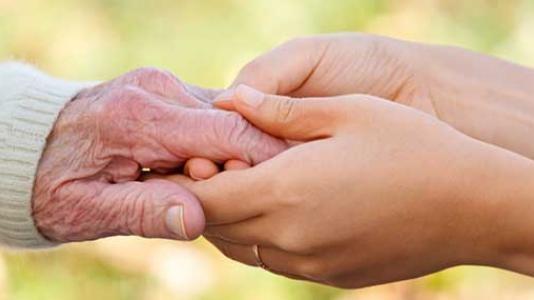

The International Day of Older Persons is observed on October 1 each year. The occasion highlights the contributions of older people to their families and communities and draws attention to their need for care, dignity, and social support.
Islam places great importance on respecting and caring for older people. It also considers honoring one’s parents among the greatest acts of worship, with particular emphasis on showing kindness when parents reach old age.
Honoring Parents in Old Age
Honoring parents may appear easier when they are healthy, independent, and able to manage their own affairs. However, the meaning of filial kindness becomes especially significant when parents grow older and require greater assistance, companionship, and care.
The Quran commands Muslims to treat their parents with kindness, stating:
“And your Lord has decreed that you worship none but Him, and honor your parents. If one or both of them reach old age in your care, never say to them even ‘uff,’ nor yell at them, but address them in a noble manner. And lower to them the wing of humility out of mercy and say, ‘My Lord, have mercy on them, as they raised me when I was young.’” [Quran 17:23-24]
These verses emphasize that caring for elderly parents involves more than financial support. It also includes gentle speech, mercy, patience, humility, and avoiding anything that could hurt or neglect them.
Why Is Honoring Parents Especially Important in Old Age?
As people grow older, they may require greater support and assistance with everyday matters. They may also need companionship, someone to listen to them, and reassurance that they remain valued and respected.
For this reason, the Quran specifically highlights the stage of old age, reminding children of the care their parents provided when they themselves were young and dependent.
A child who now gives time to care for elderly parents was once the focus of those parents’ attention, while parents who need assistance in old age may have spent decades raising, protecting, educating, and caring for their children.
Neglecting Elderly Parents and Filial Disobedience
Neglecting elderly parents and leaving them to face illness, financial need, or loneliness is inconsistent with Islam’s teachings on mercy and kindness toward parents.
The Prophet Muhammad ﷺ warned about the seriousness of disobedience toward parents and emphasized its consequences.
This teaching reinforces the importance of viewing care for elderly parents not as a burden, but as an expression of gratitude and an opportunity to return some of the care and sacrifices they once provided.
How Does Islam Honor Older People?
Islam does not limit care for older people to the family. It also encourages society to respect, honor, and treat elderly people with compassion.
The Prophet Muhammad ﷺ said:
“Part of glorifying Allah is honoring the elderly Muslim.”
He also said:
“He is not one of us who does not show respect to our elders and mercy to our young.”
These teachings highlight the position of older people within society and call for respectful and compassionate treatment, regardless of age-related weakness or the need for assistance.
Etiquette for Treating Older People
Treat Them With Gentleness and Affection
Older people deserve calm and respectful treatment, along with expressions of affection and appreciation that help them feel valued rather than burdensome.
Help Them With Their Needs
Helping an elderly person with tasks that have become difficult is an important form of kindness and care, whether at home or in the wider community.
Speak to Them Politely
Communication with older people should be respectful and considerate. Raising one’s voice unnecessarily or using words that diminish their dignity should be avoided.
Give Them Respect in Conversations and Gatherings
Showing respect can include allowing older people to speak and giving appropriate consideration to them in social settings.
Listen to Them and Value Their Opinions
Older people have accumulated years of experience and knowledge. Listening to them attentively can demonstrate respect for their life experience.
Pray for Their Health and Well-Being
Praying for an elderly person’s health, well-being, and continued goodness is another expression of care and concern.
Greet Them With Peace
Offering a greeting is a simple yet meaningful way of showing kindness and respect and maintaining a warm connection with older people.
Address Them Respectfully
Older people should be addressed with language that reflects their age, dignity, and status, rather than using expressions that may be dismissive or disrespectful.
Seek Their Advice When Appropriate
The experiences of older people can provide valuable perspectives. Seeking their advice when appropriate is a way of recognizing the knowledge gained throughout their lives.
Avoid Inappropriate Behavior in Their Presence
Good manners include being mindful of an elderly person’s feelings and avoiding words or behavior that may cause discomfort or distress.
The Rights of Older People in Islam
Islamic teachings affirm the right of older people to respect, care, kindness, and dignity, whether they are parents or members of the wider community.
Care for the elderly includes providing support when needed, protecting their dignity, showing compassion, and avoiding neglect simply because of their age.
Caring for older people also reflects the broader Islamic values of mercy and social solidarity, emphasizing that a community’s strength includes its ability to support people during periods of vulnerability and dependence.
The International Day of Older Persons and Islamic Values
The International Day of Older Persons provides an opportunity to remember the value of older people and the contributions they have made to families and communities.
From an Islamic perspective, these values are also connected to established principles of filial kindness, mercy, respect, and honoring those who have reached old age.
Caring for elderly parents remains one of the clearest expressions of gratitude and loyalty, especially after the years of sacrifice, education, protection, and care that parents devote to raising their children.
What is the status of older people in Islam?
Islam encourages Muslims to respect, honor, and care for older people and considers respect for elders an important moral and social value.
Why is honoring parents especially important when they grow old?
Elderly parents may require greater care, assistance, and compassion. The Quran therefore specifically commands kindness toward parents when they reach old age and prohibits even verbal expressions of annoyance toward them.
What are the main rules for treating older people?
They include treating them gently, helping them with their needs, speaking politely, listening to them, respecting their opinions, greeting them, and praying for their health and well-being.
What did the Prophet Muhammad ﷺ say about respecting older people?
The Prophet ﷺ said: “Part of glorifying Allah is honoring the elderly Muslim.” He also said: “He is not one of us who does not show respect to our elders and mercy to our young.”
When is the International Day of Older Persons observed?
The International Day of Older Persons is observed on October 1 each year, highlighting issues affecting older people and the importance of protecting their dignity and well-being.




