
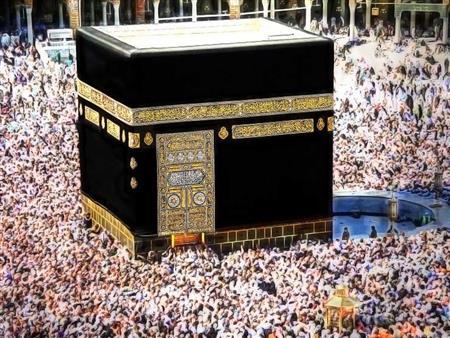

Many Muslims ask whether it is permissible to borrow money in order to perform Hajj, especially when financial means are limited. Dar Al-Ifta has clarified the Islamic ruling in detail.
🕋 Basic Principle of Hajj
Hajj is only obligatory for those who are financially and physically able. Therefore, Islam does not require a person to take on debt in order to fulfill this obligation.
💰 Borrowing for Hajj
Borrowing money for Hajj is permissible if the person is confident in their ability to repay the debt without harming themselves or their dependents.
However, if borrowing leads to financial hardship or instability, it becomes discouraged or even impermissible.
⚖️ Scholarly Opinions
Islamic schools of thought differ slightly:
- Shafi’i: Permissible if repayment is assured
- Hanafi: May be required in specific cases of negligence
- Maliki: Often discourages borrowing when repayment is uncertain
🌿 Key Conditions
The ruling depends on personal circumstances:
- If debt causes harm → not allowed
- If it creates hardship → disliked
- If repayment is safe → permissible
🕊️ Validity of Hajj
Even if performed through borrowed money, the Hajj remains valid and fulfills the obligation if all conditions are met.
✨ Conclusion
Islam emphasizes ease and ability in acts of worship, making financial capability a key requirement for Hajj rather than debt or hardship.
For more details and the latest news, follow Masr Connect




