Is It Permissible to Recycle Waste Containing Impurities? The Fatwa Responds
Egypt’s Dar al-Ifta explained that recycling waste containing impurities is permissible in Islam if the waste is transformed into a new material with different properties, based on the principle of "Istihalah" (transformation).


A question was raised to Dar al-Ifta regarding the ruling on recycling waste containing impurities to reuse it.
Dar al-Ifta clarified that recycling such waste involves converting it into new elements and components that differ from its original state. According to Islamic jurisprudence, impurities do not remain after this transformation, based on the principle of Istihalah, meaning that an object changing from its original nature into another substance removes its impurity.
Examples cited by jurists include:
-
Carrion and pork becoming salt,
-
Animal waste and husks turning into ash after burning,
-
Wine turning into vinegar, all of which are considered pure after transformation.
Different schools of Islamic jurisprudence detail this principle:
-
Hanafi: Impurities are purified through transformation, like carrion in salt or burnt husks.
-
Maliki: Impurity is lifted when its defining characteristics disappear, e.g., blood or waste turning into other materials.
-
Hanbali: All impurities are purified by transformation, such as tanned hides or resulting ash.
-
Zahiri: Any substance changing from its original impure description to a new material is pure and usable.
Hence, recycling waste containing impurities into beneficial products is permissible in Islam, with due verification from specialists to ensure safety and absence of harm.

Learn whether sacrificing a chicken or rooster is valid in Islam, based on Saad El-Din Al-Hilali’s opinion and the views of major Islamic schools.
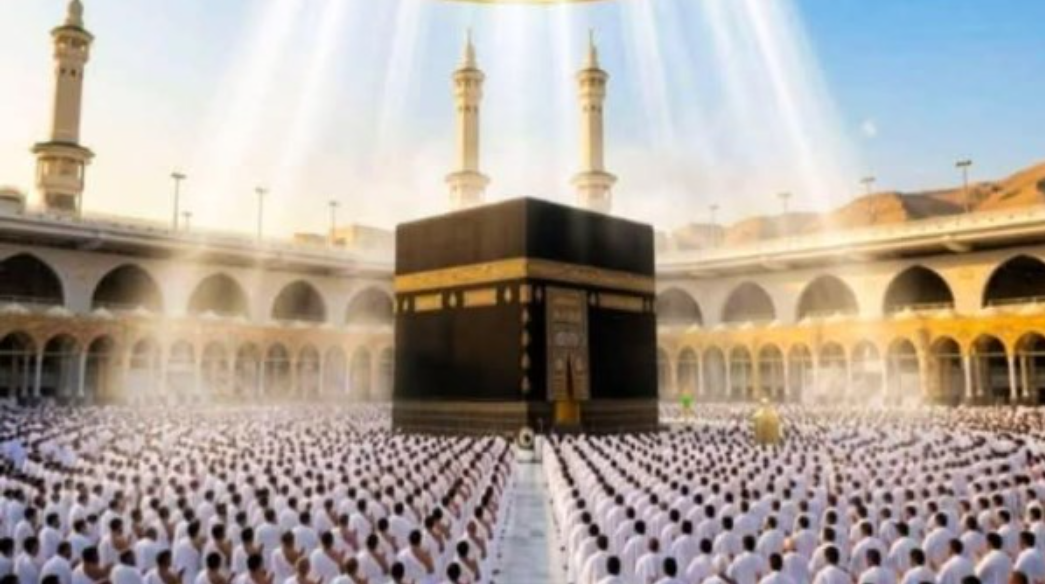
Learn the ruling on skipping Sa’i in Hajj or Umrah according to Egypt’s Dar Al-Ifta, whether with or without excuse, and what must be done in each case.

Discover the most powerful authentic duas from Quran and Sunnah, and the best times for answered prayers like last third of the night, Friday, and between Adhan and Iqamah

Key rulings from Al-Azhar and Dar al-Ifta on Hajj mistakes, fasting the early days of Dhu al-Hijjah, and the ruling on making intention for voluntary fasting.
