
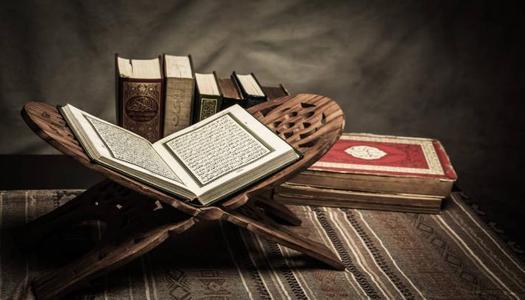

After finishing a heartfelt recitation of the Quran, many people say: “صدق الله العظيم” (Allah has spoken the truth). But some question whether this practice is valid or an innovation.
Is it permissible?
Scholars clarify that saying this phrase is permissible and falls under general remembrance of God, which is widely encouraged in Islam.
Meaning behind the phrase
It reflects affirmation and belief in the truth of Allah’s words, expressing sincerity and spiritual reflection after recitation.
Is it considered an innovation?
It is not considered a blameworthy innovation because:
- Remembrance (dhikr) is encouraged in general
- Linking it to Quran recitation does not contradict Islamic teachings
- Companions of the Prophet practiced similar forms of remembrance
Does the Prophet’s non-practice mean prohibition?
Not necessarily. The Prophet not doing something does not automatically make it forbidden, as long as it does not oppose Islamic principles.
Scholars’ perspective
Many scholars view this phrase as recommended etiquette after recitation, as it concludes the reading with affirmation and faith.
In essence, it remains a simple yet meaningful expression of belief, closing the recitation with certainty and peace.
For more details and latest updates, follow Masr Connect




