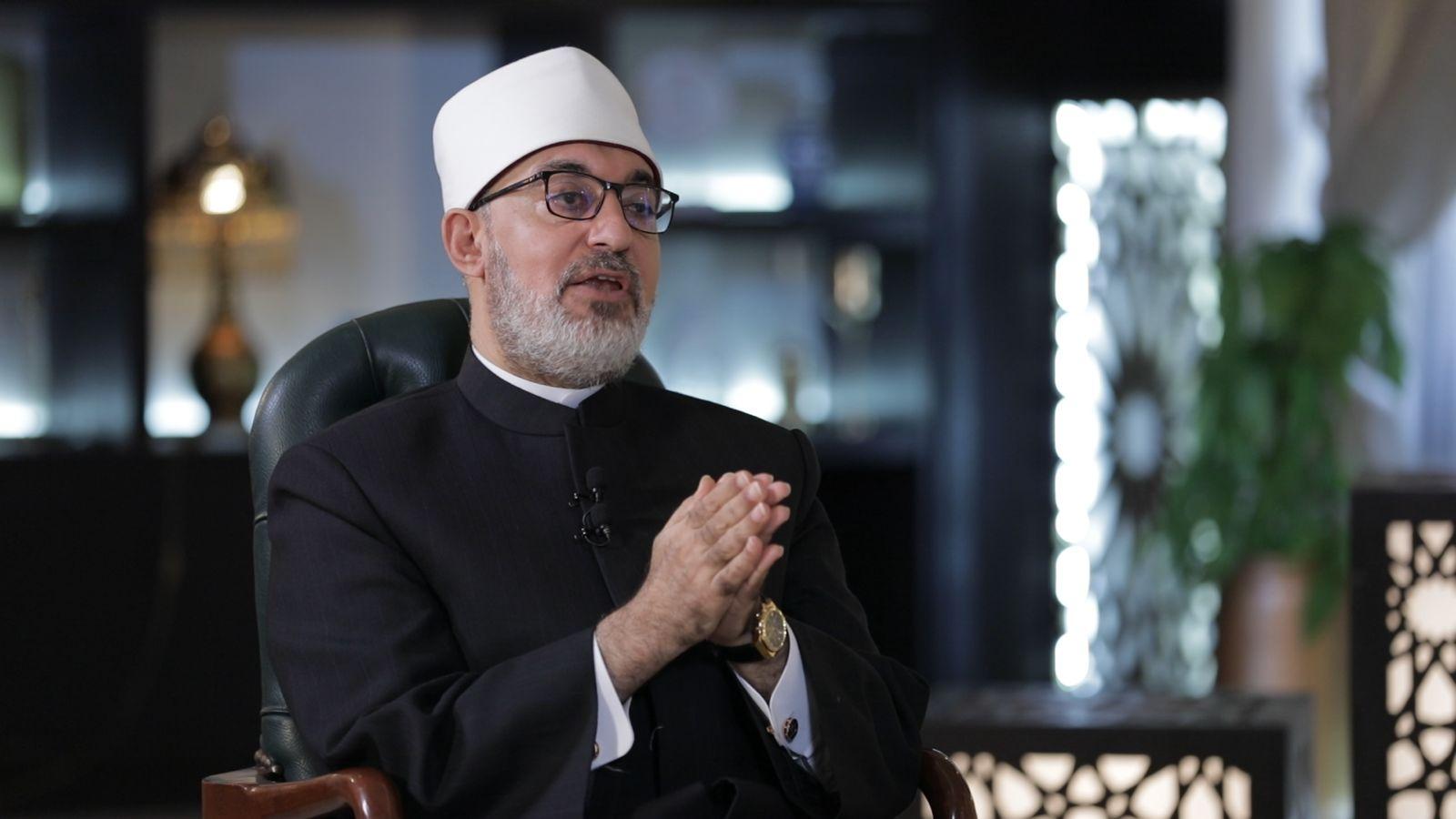

Dr. Nazir Ayyad, Egypt’s Grand Mufti, explained that the Islamic view of having children is not based simply on increasing the number of offspring.
Instead, it is connected to broader objectives and responsibilities, including preserving lineage, caring for children, raising them properly, and preparing them to contribute positively to society and the development of the world.
His remarks came in response to a question from a citizen asking about Islam’s position on having children and whether the purpose is simply to increase numbers or whether it serves broader goals related to education, human development, and the interests of society.
What Is Islam’s View of Having Children?
The Grand Mufti explained that Islamic law does not treat having children simply as a means of increasing numbers. Rather, it views parenthood within a broader framework connected to the continuation of human life and the development of the world.
This perspective creates important responsibilities toward children, including financial support, care, proper upbringing, protection from harm, and preparation for a responsible and productive life.
Is Having Children in Islam Only About Increasing Numbers?
Dr. Nazir Ayyad emphasized that the Islamic perspective is not based on numbers alone. The goal also includes raising sound and responsible children through proper care, financial support, education, and upbringing.
A large number of children without adequate care and preparation does not by itself fulfill the broader objectives connected with parenthood.
Preserving Lineage as a Major Objective of Islamic Law
The Grand Mufti explained that preserving lineage is one of the major objectives recognized by Islamic law because it contributes to the continuation of human life, the development of society, and the continuity of human existence.
Islam also recognizes the natural human love of children and the importance of family as a source of support during life and a continuing legacy after death.
Why Does Islam Encourage Marriage and Having Children?
Marriage and having children are connected to the continuity of family and lineage, the stability of human life, and the continuation of future generations.
At the same time, these principles are accompanied by clear responsibilities toward children and the family.
The Quran and the Importance of Family and Children
The Grand Mufti cited Allah’s statement:
“O mankind, fear your Lord, who created you from one soul and created from it its mate and spread from them many men and women.”
[Quran 4:1]
He also cited:
“And Allah has made for you spouses from among yourselves and has made for you from your spouses sons and grandchildren.”
[Quran 16:72]
These verses point to the important place of family and descendants in human life and continuity.
What Are Parents’ Responsibilities Toward Their Children?
The Grand Mufti emphasized that having children cannot be separated from the responsibilities that come with parenthood.
Financial Support for Children
Parents are responsible for providing their children’s essential needs, including food, housing, education, medical care, and other necessities appropriate to their stage of development.
Raising and Educating Children
Parenthood is not limited to material provision. It also includes proper education and upbringing, helping children develop sound values and the ability to face life responsibly.
Protecting and Preparing Children for the Future
Parents are also responsible for protecting children from harm and preparing them to become capable and productive members of society.
Having Children and Building the World
The Islamic perspective described by the Grand Mufti connects having children with the concept of developing and building the world.
The objective is therefore not simply to have successive generations, but to raise generations capable of working, contributing, improving society, and carrying responsibility.
How Can Children Contribute to a Better Society?
When children receive appropriate care, education, and upbringing, they become better prepared to take responsibility and contribute positively through work, knowledge, service, and constructive participation.
In this sense, parenthood becomes part of human development rather than merely a matter of increasing population.
Having Children Between Natural Love and Responsibility
The Grand Mufti emphasized that love of children is a natural human disposition recognized by Islamic law.
At the same time, this natural desire is connected with clear responsibilities. The focus is therefore not simply on the number of children, but on the quality of care, education, upbringing, and preparation for life.
Conclusion: What Does Having Children Mean in Islam?
According to the explanation of Egypt’s Grand Mufti, having children in Islam is not merely about increasing numbers.
It is connected to preserving lineage, continuing human life, developing the world, and raising children who can contribute positively to society.
This requires parents to provide financial support, care, education, proper upbringing, protection, and preparation for responsible participation in society.
Is the purpose of having children in Islam simply to increase numbers?
No. The Grand Mufti explained that having children is connected to preserving lineage, raising responsible people, and contributing to society.
What does preservation of lineage mean?
It is one of the major objectives of Islamic law and relates to the continuation of human life, family, and future generations.
What are parents’ responsibilities toward their children?
They include financial support, care, education, proper upbringing, protection, and preparing children to take responsibility.
Does Islam encourage having children?
Islam recognizes the natural love of children and the importance of family, while also emphasizing the responsibilities that come with parenthood.
How is having children connected to developing society?
Raising educated, responsible, and productive generations enables children to contribute to society and participate in its development.