Egypt’s Dar Al Ifta Explains the Islamic Ruling on Superstition and Trust in Allah
An Islamic scholar from Egypt’s Dar Al Ifta explained that Islam rejects superstition and reliance on illusions, emphasizing that believers should trust Allah and avoid connecting life events to luck or imaginary signs.


Islam Rejects Superstition and Linking Events to Luck
An Islamic scholar from Egypt’s Dar Al Ifta emphasized that Islam has rejected forms of superstition that were common among people, explaining that a true believer should not be influenced by illusions or signs that some people associate with luck or future events.
He explained that some individuals may feel pessimistic after seeing a certain bird, hearing a specific sound, or experiencing a simple event at the beginning of the day. However, such beliefs do not reflect the faith of a Muslim who relies on Allah and entrusts all matters to Him.
Prophet Muhammad Changed Names With Negative Meanings
The Dar Al Ifta scholar pointed out that Prophet Muhammad (peace and blessings be upon him) changed some names that carried negative meanings or suggested pessimism because names can have psychological and moral effects on people.
He mentioned the story of a man named “Hazn”, which means hardship or roughness. The Prophet asked him to change his name to “Sahl”, meaning ease, but he refused. The effect of that name remained among his descendants, as reported by the Tabi‘i scholar Saeed ibn Al-Musayyib.
Islam’s Position on Superstition and Omens
Dar Al Ifta explained that Islam abolished the beliefs of pre-Islamic times that connected good or bad fortune to things beyond Allah’s control.
Examples of Rejected Superstitions
Forms of superstition that Islam rejects include:
- Believing certain numbers bring bad luck.
- Fearing certain people or situations without a valid reason.
- Connecting success or failure to imaginary signs.
- Believing certain days or events inherently bring harm.
The scholar explained that such ideas may prevent people from working, weaken their determination, and create negative thoughts that affect their psychological well-being.
Trusting Allah Is the Foundation of a Believer’s Life
The Dar Al Ifta scholar stressed that a Muslim’s life should be built on trust in Allah and certainty that everything happens according to His wisdom and decree.
He emphasized the spiritual meaning:
“What Allah wills happens, and what He does not will does not happen.”
Therefore, believers should not allow pessimistic beliefs to prevent them from striving or making decisions, because all matters are ultimately in Allah’s hands.
How Can a Person Overcome Superstition?
A Muslim can avoid superstition through:
1. Strengthening Faith in Allah
Believing that Allah controls all matters gives a person peace and confidence.
2. Ignoring False Beliefs
A person should avoid making decisions based on unsupported ideas or imaginary signs.
3. Taking Means While Relying on Allah
Islam encourages effort and planning while leaving the results to Allah Almighty.
Is superstition forbidden in Islam?
Islam rejects superstition based on false beliefs and the idea that objects or events independently bring good or bad fortune.
Why did Prophet Muhammad change some names?
Because some names carried negative meanings, and the Prophet encouraged choosing names with good and positive meanings.
Can Muslims believe in certain signs?
Muslims should not connect their future or decisions to imaginary signs but should rely on Allah and take practical steps.
What is the treatment for superstition?
It can be overcome by strengthening faith, having good expectations of Allah, and avoiding false ideas.
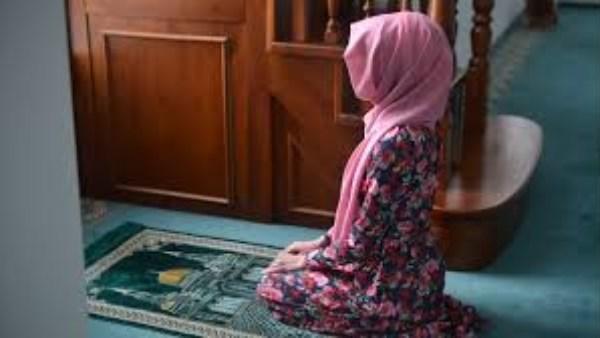
Pants are permissible for women during prayer if they properly cover the awrah and are not transparent. Tight pants, however, are considered disliked although the prayer remains valid.
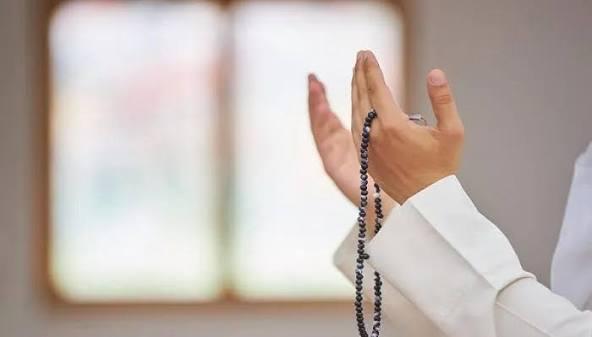
Istighfar is one of the greatest acts of remembrance that brings a believer closer to Allah. Sayyid al-Istighfar is considered the best supplication for seeking forgiveness taught by Prophet Muhammad ﷺ.

Learn about the best ways to protect children from harm through Islamic spiritual protection, Prophetic supplications, and daily remembrances that help provide protection by the permission of Allah.

Learn how to perform Salat al-Istikhara, its authentic supplication, and the Islamic ruling on interpreting dreams related to important life decisions.
