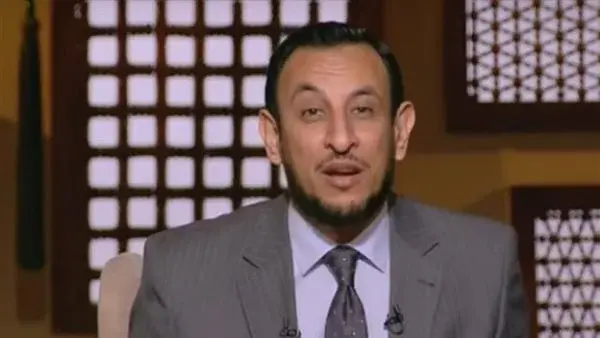
A question was submitted to Dr. Atiya Lashin, a member of the Fatwa Committee at Al-Azhar, concerning the Islamic ruling on giving testimony when revealing what a person witnessed could result in serious consequences, including the breakdown of a family and the displacement of children.
The question involved a person who saw an unrelated man inside another person's home. The household members then asked the witness to testify about what he had seen. The questioner asked whether he could give testimony that differed from what he actually witnessed because of the potentially devastating consequences for the family.
What Is the Islamic Ruling on Concealing Testimony?
Dr. Atiya Lashin explained that concealing testimony is a serious sin and cited the Quranic verse:
“And do not conceal testimony, for whoever conceals it—his heart is indeed sinful.”
[Quran 2:283]
He also referred to Allah's statement:
“And let not the witnesses refuse when they are called.”
[Quran 2:282]
Accordingly, the basic principle is that a witness should provide testimony that accurately reflects what he actually saw, without altering, adding to, or concealing the facts.
Can a Witness Change the Truth?
Dr. Atiya Lashin emphasized that testimony requested from a person should correspond to the reality he witnessed.
Deliberately giving testimony that contradicts what was actually seen falls under false testimony, which Islam strongly condemns.
Allah describes the servants of the Most Merciful as those who do not bear false witness:
“And those who do not testify to falsehood.”
[Quran 25:72]
The basic rule, therefore, is that a witness should not distort or replace the facts he personally observed.
The Prophet's ﷺ Warning Against False Testimony
The Prophet Muhammad ﷺ strongly warned against false testimony and identified false statements and testimony among the gravest sins.
Among the reported teachings is the statement:
“Have you seen the sun?” When the man said yes, the Prophet ﷺ said: “Testify on something like that, or leave it.”
The Prophet ﷺ also said:
“Shall I not tell you of the greatest of the major sins?” He then mentioned “false speech and false testimony.”
He continued repeating the warning until the Companions wished that he would stop, reflecting the seriousness of the matter.
These teachings demonstrate the severe consequences of false testimony because it can lead to injustice, loss of rights, and judgments based on inaccurate information.
What If Testimony Causes Severe Harm?
Dr. Atiya Lashin explained that Islamic jurisprudence recognizes exceptional circumstances in which benefits, harms, and the consequences of an action may be considered.
Scholars have discussed limited situations in which statements that are not literally truthful may be permitted to achieve a legitimate benefit, including reconciliation between people.
The Prophet ﷺ said:
“He is not a liar who reconciles between people by conveying good or saying good.”
In the situation presented in the question, Dr. Lashin considered the possibility that revealing what the person witnessed could result in severe consequences, such as the collapse of the family and the displacement of its children.
Is It Permissible to Say Something Untrue to Prevent a Family From Breaking Apart?
According to the fatwa attributed to Dr. Atiya Lashin, in the exceptional circumstances described in the question, the person may give a statement that differs from the literal truth if doing so prevents the severe harm identified in the case.
According to the cited ruling, the person would not be sinful in that particular circumstance.
However, this does not mean that lying or false testimony becomes generally permissible. The ruling is presented as an exception connected to the specific circumstances and the serious harm involved.
The Difference Between the General Rule and the Exception
The basic rule concerning testimony is truthfulness and accuracy. A witness should testify according to what he actually knows and has seen.
A person should not change testimony simply because he fears possible consequences or wishes to favor one party.
The fatwa discussed a specific exceptional situation in which the consequences were considered severe enough to require weighing benefits and harms.
Therefore, the exceptional ruling should not be generalized to every case involving testimony, because the circumstances, degree of harm, and consequences can affect the legal assessment.
Conclusion
The basic Islamic principle is that a witness should testify truthfully and accurately. False testimony is considered a major sin, while concealing testimony is also strongly condemned in the Quran.
However, according to the fatwa attributed to Dr. Atiya Lashin, an exceptional situation involving serious harm—such as the destruction of a family and the displacement of children—may permit giving a statement that is not literally true to prevent that harm.
The ruling is tied to the specific circumstances described and should not be understood as a general permission to lie or give false testimony.
What is the Islamic ruling on concealing testimony?
The basic ruling is that concealing testimony is sinful, and the Quran warns against withholding testimony when it is required.
Is giving testimony contrary to what someone saw considered false testimony?
Yes. As a general principle, deliberately giving testimony that contradicts what a person actually witnessed is considered false testimony.
What is the ruling on false testimony in Islam?
False testimony is a major sin, and the Prophet ﷺ strongly warned against it.
Is lying permissible to reconcile between people?
The Sunnah mentions a limited allowance for statements intended to reconcile people and achieve a legitimate good, subject to its proper conditions.
Can a person say something untrue to prevent a family from breaking apart?
According to the fatwa presented in the question, Dr. Atiya Lashin allowed this in the exceptional circumstance where doing so prevents severe harm, such as family destruction and the displacement of children.