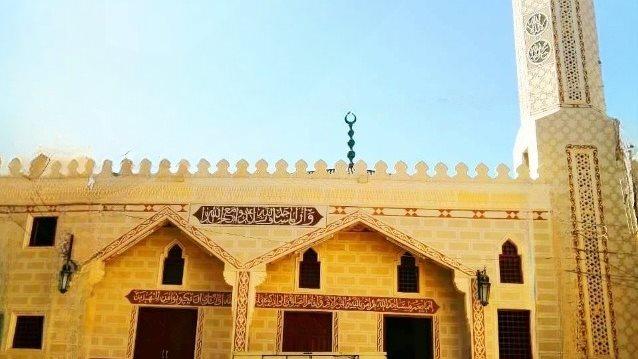

Egypt's Dar al-Ifta explained that prophetic reports mentioning the decoration and beautification of mosques as one of the signs of the Hour do not mean that decoration itself is forbidden or inherently disliked.
The guidance is instead understood as a warning against giving excessive attention to the outward appearance of mosques while neglecting their essential purpose. A building may be beautifully constructed and richly decorated while receiving little life from worshippers and acts of devotion.
What Does Mosque Decoration as a Sign of the Hour Mean?
Dar al-Ifta referred to a narration attributed to Anas ibn Malik stating that a time would come when people would take pride in their mosques while only a few would properly maintain and populate them.
The inclusion of something among the signs of the Hour does not automatically mean that the thing itself is prohibited or blameworthy. Such reports can also serve as warnings about changing social conditions and the tendency to prioritize appearances over essential religious purposes.
Accordingly, the concern is not simply the beauty of a mosque or the quality of its construction. The concern arises when decoration becomes an end in itself while prayer, remembrance, Quran recitation, and other acts of worship are neglected.
Is It Permissible to Decorate Mosques?
Dar al-Ifta explained that changes in social customs can affect how certain aspects of construction and appearance are understood.
People have increasingly invested in decorating and beautifying their homes, using architectural details, ornaments, and artistic designs. In this context, beautifying a mosque can be viewed as a way of honoring its status, provided that the practice remains within reasonable limits.
The Quran also refers to places of worship being raised and honored. Therefore, caring for the appearance and construction of a mosque does not inherently conflict with its religious purpose.
The Role of Custom in Understanding Mosque Decoration
Dar al-Ifta noted that some reports concerning mosque decoration appeared in a different social and architectural context, when homes were generally much simpler and less decorated.
As circumstances change and decoration becomes a common feature of architecture, the treatment of mosque decoration can be considered within the prevailing custom, while still observing Islamic principles and avoiding excess.
The broader principle is to understand religious texts together and consider their purposes rather than interpreting one text in isolation from related evidence.
Warning Against Excessive Mosque Decoration
The permissibility of beautifying mosques does not amount to an endorsement of extravagance or uncontrolled spending.
The warning in the prophetic reports is particularly relevant when decoration, competition, and pride in buildings become more important than actually filling those buildings with worshippers and acts of devotion.
A beautiful mosque can therefore coexist with its religious mission when its appearance serves to honor the place of worship rather than replacing the purpose for which it was built.
Mosque Decoration, Reverence, and Civilization
Dar al-Ifta noted that decoration can, according to the customs of many societies, represent reverence and respect. It can also be viewed as part of civilization and the development of human life.
The Quran describes humanity as being established on the earth and entrusted with its development and cultivation. From this perspective, constructing and maintaining beautiful mosques can be part of human civilization.
The important distinction is that attention to architecture should complement, rather than replace, the spiritual life of the mosque.
The Story of Umar ibn Abd al-Aziz and the Umayyad Mosque
Dar al-Ifta also referred to a story concerning Umar ibn Abd al-Aziz and the Umayyad Mosque in Damascus.
According to the account, he had considered removing some of the mosque's mosaics and gold so that their value could be placed in the public treasury. However, after learning of the strong impression the mosque made on an important Byzantine visitor, he changed his position and praised the grandeur of the mosque.
The account illustrates the idea that architectural beauty and impressive construction are not necessarily blameworthy. The purpose behind such spending, its scale, and the avoidance of extravagance remain important considerations.
The Balance Between Appearance and Worship
The central issue in the discussion of mosque decoration is balance.
A mosque can be beautiful, well constructed, and carefully maintained while remaining a vibrant place of prayer, remembrance, Quran recitation, and community worship.
What deserves criticism is not beauty itself, but when outward decoration becomes a source of pride and competition while the spiritual and communal life of the mosque is neglected.
Conclusion
Mosque decoration is not automatically forbidden simply because certain prophetic reports mention it among the signs of the Hour.
The essential warning concerns a situation in which people compete over the appearance of mosques while neglecting worship and the true purpose of maintaining them.
The ideal is therefore to combine architectural beauty with genuine spiritual life, maintaining moderation and avoiding extravagance.
Is decorating a mosque forbidden?
No. Mosque decoration is not inherently forbidden, provided that it avoids extravagance and does not undermine the mosque's primary purpose.
Why is mosque decoration mentioned among the signs of the Hour?
The reports warn of a time when people may take pride in impressive mosques while neglecting worship and properly maintaining their spiritual life.
Can Muslims beautify their mosques?
Yes. Beautifying and maintaining mosques can be permissible when done appropriately and without excess.
What does maintaining a mosque mean?
Maintaining a mosque includes caring for its building as well as filling it with prayer, remembrance, Quran recitation, and other acts of worship.
Is excessive mosque decoration acceptable?
Excessive decoration and spending should be avoided, particularly when they become a form of competition or pride rather than serving the mosque's legitimate needs.