Grand Mufti Dr. Nazir Ayyad Explains the Ruling on Revoking a Gift After the Donor’s Death
Grand Mufti Dr. Nazir Ayyad clarified the Islamic ruling on revoking a gift after the donor’s death, confirming that gold gifted by a mother to her children during her lifetime does not become part of the inheritance if the gift was completed and received.
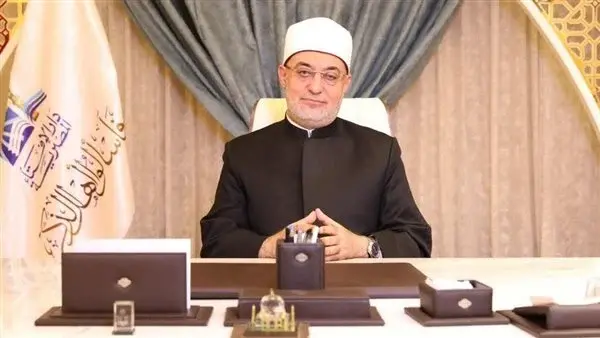

Grand Mufti Dr. Nazir Ayyad Explains the Ruling on Revoking a Gift After the Donor’s Death
Dr. Nazir Ayyad, Grand Mufti of Egypt and Head of the General Secretariat for Fatwa Authorities Worldwide, answered a question regarding the ruling on revoking a gift after the donor’s death. The question concerned a mother who, during her lifetime and while she was in full health and legal capacity, distributed the gold she owned among her children. Each child received their share while she was alive. After her death, some people requested that the gold be collected again and included in the inheritance estate for redistribution. The Grand Mufti explained that the ruling depends on fulfilling the conditions of a valid gift, especially that it was given by a legally capable person and that the recipients took possession of the gifted property during the donor’s lifetime.
Ruling on a Mother Gifting Her Gold to Her Children During Her Lifetime
Egypt’s Dar Al-Ifta explained that a mother’s gift of gold to her children during her lifetime, while she has full legal and religious capacity, and with the children receiving and taking possession of the gold, is considered a valid and effective gift under Islamic law. The authority added that ownership of the gold transfers to the children once the gift is completed and possession takes place. Therefore, the gold becomes their property and no longer belongs to the mother.
Does Gifted Gold Become Part of the Estate After the Mother’s Death?
Dr. Nazir Ayyad, Grand Mufti of Egypt, confirmed that the gold distributed by the mother to her children during her lifetime does not become part of the inheritance estate after her death, because ownership was transferred to the children at the time the gift was completed. Accordingly, other heirs or any other person do not have the right to demand the return of the gold or include it in the inheritance for redistribution.
Is It Permissible to Revoke a Gift After the Donor’s Death?
Dar Al-Ifta explained that revoking a gift after the donor’s death is not permissible in this case because the gift became established after fulfilling all its conditions and transferring ownership to the recipients. The authority stated that once the donor dies after completing the gift and transferring ownership, the effect of the gift remains valid, and heirs cannot demand its cancellation or the redistribution of the gifted property.
Conditions for a Valid Gift in Islamic Law
The Donor Must Have Legal Capacity
For a gift to be valid, the donor must have full legal capacity, be able to dispose of their property, and make the gift willingly without coercion.
The Recipient Must Take Possession of the Gift
Taking possession of the gifted property is one of the most important conditions for transferring ownership. If a person gives property as a gift and the recipient receives it during the donor’s lifetime, the gift becomes effective and established.
Transfer of Ownership to the Recipient
Once the gift is completed and possession is taken, the property becomes the exclusive ownership of the recipient and is no longer considered part of the donor’s assets after death.
The Difference Between a Gift and Inheritance
A gift differs from inheritance because a gift takes place during a person’s lifetime based on their decision, while inheritance only becomes applicable after death according to Islamic inheritance rules. Therefore, if a person gives part of their wealth to someone during their lifetime and the gift is completed correctly, that property is not redistributed as part of the estate after their death.
Dar Al-Ifta: Heirs Have No Right to Demand Gifted Gold
Dr. Nazir Ayyad, Grand Mufti of Egypt, emphasized that gold gifted by a mother to her children during her lifetime, with their receipt and possession of it, becomes their own property, and no one has the right to demand its return or consider it part of the inheritance. Dar Al-Ifta confirmed that ownership stability resulting from a valid gift prevents disputes over assets that have already left the donor’s ownership before death. FAQ
Can a gift be revoked after the donor’s death?
No. A gift cannot be revoked after the donor’s death if it was completed correctly and ownership was transferred to the recipient.
Does gold gifted by a mother to her children become part of inheritance?
No. If the mother gifted the gold during her lifetime and the children received it, it is not included in the inheritance estate.
When is a gift considered valid under Islamic law?
A gift is valid when it is given by a person with full legal capacity, accepted by the recipient, and the gifted property is taken into possession.
Do heirs have the right to reclaim a gift after the owner’s death?
No. Heirs cannot reclaim a valid gift that was completed during the owner’s lifetime and transferred to the recipients.

Looking for the fastest dua for rizq? Discover authentic Islamic supplications for sustenance, along with the Quranic and Prophetic keys to increasing provision and blessings.
Discover the story of Abu Bakr Al-Siddiq's acceptance of Islam, his unwavering faith in Prophet Muhammad ﷺ, and his vital role in spreading Islam.
Egypt's Dar Al-Ifta clarifies the Islamic ruling on whether earthquakes are divine punishment and explains whether there is a specific supplication to recite during earthquakes.
Learn the full story of the People of the Sabbath, why Allah punished them, and the important lessons Muslims can learn from this Quranic account.
