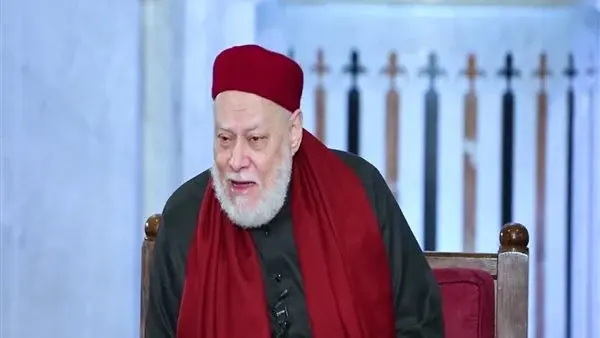

Dr. Ali Gomaa highlighted a number of comprehensive teachings from Prophet Muhammad ﷺ that encourage good character, compassion, helping others, easing people’s difficulties, and concealing their faults.
He explained that these prophetic teachings provide a practical framework for developing a person’s character, emphasizing that righteous conduct should be reflected in how people treat one another.
Relieving People’s Hardships
Ali Gomaa cited the saying of Prophet Muhammad ﷺ:
“Whoever relieves a believer of one of the hardships of this world, Allah will relieve him of one of the hardships of the Day of Resurrection.”
He explained that relieving people’s difficulties is an important moral quality that a person should actively develop.
Helping others sincerely for the sake of Allah can strengthen compassion and teach a person to recognize the dignity and humanity of those around him.
Easing the Burden of Those in Difficulty
Another teaching cited by Ali Gomaa states:
“Whoever makes things easier for one in difficulty, Allah will make things easier for him in this world and the Hereafter.”
He explained that a person experiencing financial hardship may need assistance with debt or simply greater understanding from those to whom he owes money.
Easing someone’s burden may include helping with repayment, postponing a debt, reducing part of what is owed, forgiving some of the debt, or avoiding exposing the person’s financial situation to others.
Concealing People’s Faults
Prophet Muhammad ﷺ also said:
“Whoever conceals a Muslim, Allah will conceal him in this world and the Hereafter.”
Ali Gomaa explained that concealing people’s mistakes and avoiding publicizing their shortcomings are among the qualities that can cultivate mercy and compassion.
He also warned against turning social gatherings into opportunities for gossip, slander, backbiting, and spreading accusations about others.
Freedom of Opinion and Responsibility
Ali Gomaa emphasized that freedom of opinion should not be used as a justification for lying, slander, gossip, or attacking people’s honor.
In his explanation, expressing an opinion should remain connected to responsibility, concern for society, and the pursuit of what is beneficial, rather than becoming a means of harming or humiliating others.
Helping Others and Divine Support
Among the teachings highlighted by Ali Gomaa is the saying:
“Allah continues to help His servant as long as the servant helps his brother.”
He noted the broad wording of the teaching, which refers to the “servant,” emphasizing a wide principle of helping and supporting others.
The teaching encourages people to make assistance and service part of their character rather than treating kindness as an occasional act.
Seeking Knowledge
The prophetic teachings also emphasize the virtue of seeking knowledge:
“Whoever follows a path in pursuit of knowledge, Allah will make easy for him a path to Paradise.”
The same teaching describes the blessings associated with people gathering to recite and study the Book of Allah, including tranquility, mercy, the presence of angels, and being mentioned by Allah among those with Him.
These teachings highlight the role of knowledge and the Quran in developing a person alongside good character and beneficial action.
Righteous Deeds Are the Foundation
Ali Gomaa concluded by highlighting another important prophetic principle:
“Whoever is held back by his deeds will not be advanced by his lineage.”
The meaning emphasizes the importance of righteous deeds and personal responsibility.
A person should begin by reforming himself, then extend that goodness to those under his care and the people around him.
The path toward Allah begins with the individual through renewing faith, remembering Allah, and striving to embody the good character taught by Prophet Muhammad ﷺ.
What good qualities did Prophet Muhammad ﷺ encourage?
The teachings discussed include relieving people’s hardships, easing the burdens of those in difficulty, concealing people’s faults, helping others, seeking knowledge, and performing righteous deeds.
Why did Prophet Muhammad ﷺ encourage relieving people’s hardships?
Relieving hardship is a form of mercy and kindness. The prophetic teaching connects relieving a hardship in this world with Allah relieving a hardship on the Day of Resurrection.
How can someone make things easier for a person in debt?
This can include helping with repayment, postponing the debt, reducing part of what is owed, forgiving some of it, or avoiding publicly exposing the debtor’s circumstances.
What does concealing a Muslim mean?
It refers to avoiding the exposure and publicizing of another person’s faults and mistakes, while maintaining a compassionate approach and avoiding gossip and slander.
What principle concludes these teachings?
The Prophet ﷺ said that whoever is held back by his deeds will not be advanced by his lineage, emphasizing that righteous action is central to a person’s standing.