Quranic Verses for the Morning: Start Your Day with Peace, Blessings, and Sustenance
Reciting the Quran in the morning brings tranquility, opens doors of sustenance, and protects from harm. Discover the most recommended verses and chapters for a spiritually empowered start.
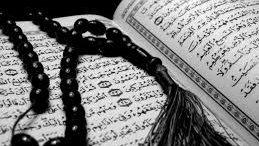

Morning marks a new beginning and offers believers an opportunity to renew their covenant with Allah, relying on Him in all matters of life. The Quran and Sunnah emphasize morning remembrance, which directly impacts inner peace, serenity, sustenance, and protection from harm.
Allah says in the Quran: «وَإِن مِّن شَيْءٍ إِلَّا يُسَبِّحُ بِحَمْدِهِ وَلَـٰكِن لَّا تَفْقَهُونَ تَسْبِيحَهُمْ» [Al-Isra: 44], reminding believers to start their day with the heart engaged in Dhikr and Quran recitation.
Benefits of Morning Remembrance:
Provides calmness and emotional stability.
Opens doors of lawful sustenance and blessings.
Protects from evils, negative energy, and misfortune.
Strengthens faith, reliance, and closeness to Allah.
Recommended Verses and Chapters:
Surah At-Tawbah – Ayah 129: Recite seven times for reassurance and trust in Allah.
Ayat al-Kursi – Surah Al-Baqarah 255: For protection from envy and harm.
Beginning of Surah Ghafir – Verses 1-3: Renew hope, mercy, and repentance.
Surah Al-Ikhlas: Recite three times for affirming monotheism and purifying the heart.
Surah Al-Falaq and An-Nas: Three times to guard against evil, calamities, and harm.
Scholars recommend reflecting on the meanings while reciting aloud or silently, combining remembrance with personal supplications for sustenance and blessings to start the day spiritually fulfilled.
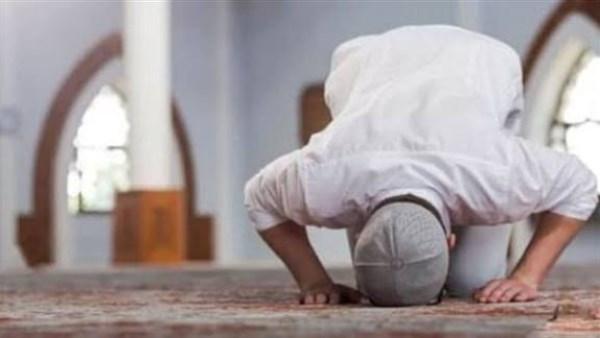
Learn the supplications recited during Salah, including Dua Al-Istiftah, prayers for bowing and prostration, between the two prostrations, and before salam.

Discover comprehensive Islamic duas for protecting children, seeking their health, safety, righteousness and guidance, with supplications parents can recite for their children.
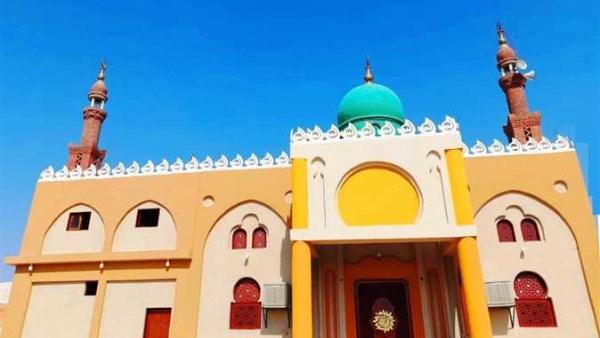
Egypt’s inistry of Awqaf will open 19 mosques on Friday, August 21, 2026, as part of its nationwide plan to build, renovate, maintain and develop mosques.
Sheikh Mohamed Kamal explains the Islamic view of loving and honoring the Prophet, highlighting his elevated status in the Quran and the importance of reverence for him.
