Ramadan as a Chance to Prefer Others Over Self: Khaled El-Gendy
Sheikh Khaled El-Gendy highlights Ramadan as an opportunity to revive altruism, prefer others over personal desires, and embrace sincere repentance
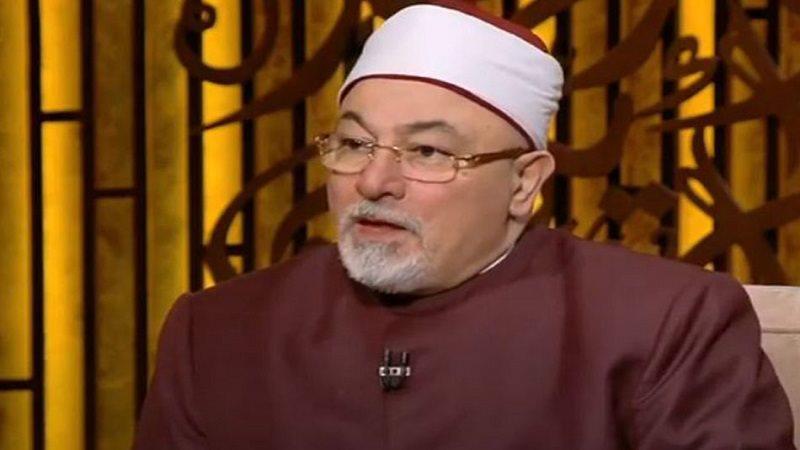
Sheikh Khaled El-Gendy criticized the popular saying, “If home needs it, the mosque misses out,” noting that such thinking contradicts the core Islamic values of altruism and giving.
During his program “La’allahum Yafqahoon” on DMC, he emphasized that Islam encourages putting others first, even in times of personal need, citing the praise Allah gave to the Ansar who favored others despite their poverty.
El-Gendy stressed that Ramadan offers a unique opportunity to revive values such as spreading peace, feeding the hungry, maintaining family ties, and prioritizing the needy over personal desires. He noted that the essence of religion lies in generosity and giving, not selfishness.
He also urged Muslims to practice sincere repentance and cleanse their hearts in preparation for the blessings of Ramadan, praying that everyone reaches the month in the best spiritual and human condition.
For more details and latest news, follow Misr Connect.

Did you know there is a prayer between Maghrib and Isha that many overlook but carries immense reward? Learn about this prophetic practice and its virtues.
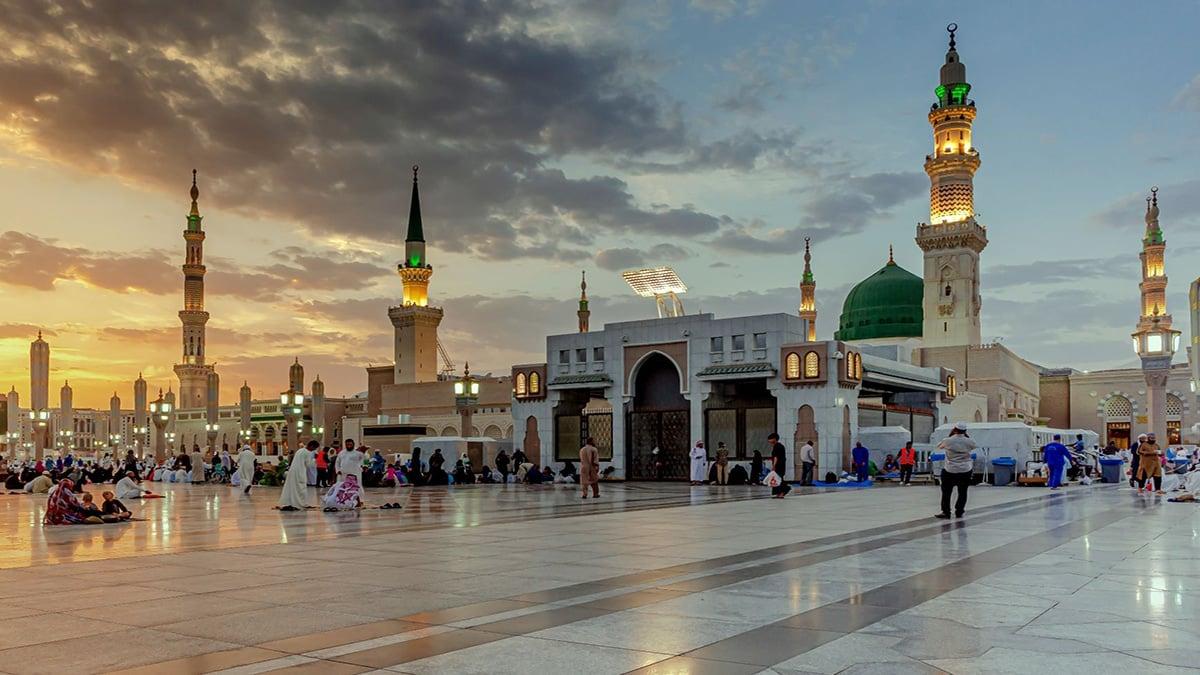
Egypt’s Ministry of Awqaf continues its mosque development plan by opening 69 mosques nationwide this Friday, including new constructions, renovations, and maintenance projects
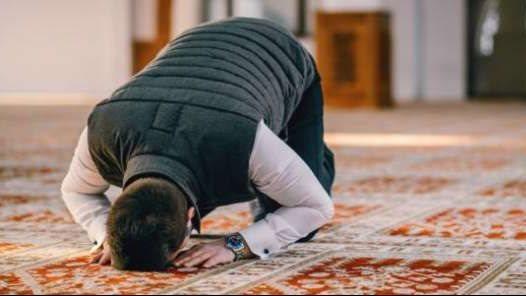
Learn key supplications for the opening of prayer, including Al-Istiftah, Tashahhud, and post-prayer forgiveness, to deepen devotion and seek guidance

After mid-Sha’ban night, learn the Islamic rulings on fasting the second half of Sha’ban, including what is recommended, allowed, and discouraged
