Rebuilding God’s Houses: Awqaf Ministry Opens 69 Mosques Across Egypt This Friday
Egypt’s Ministry of Awqaf continues its mosque development plan by opening 69 mosques nationwide this Friday, including new constructions, renovations, and maintenance projects
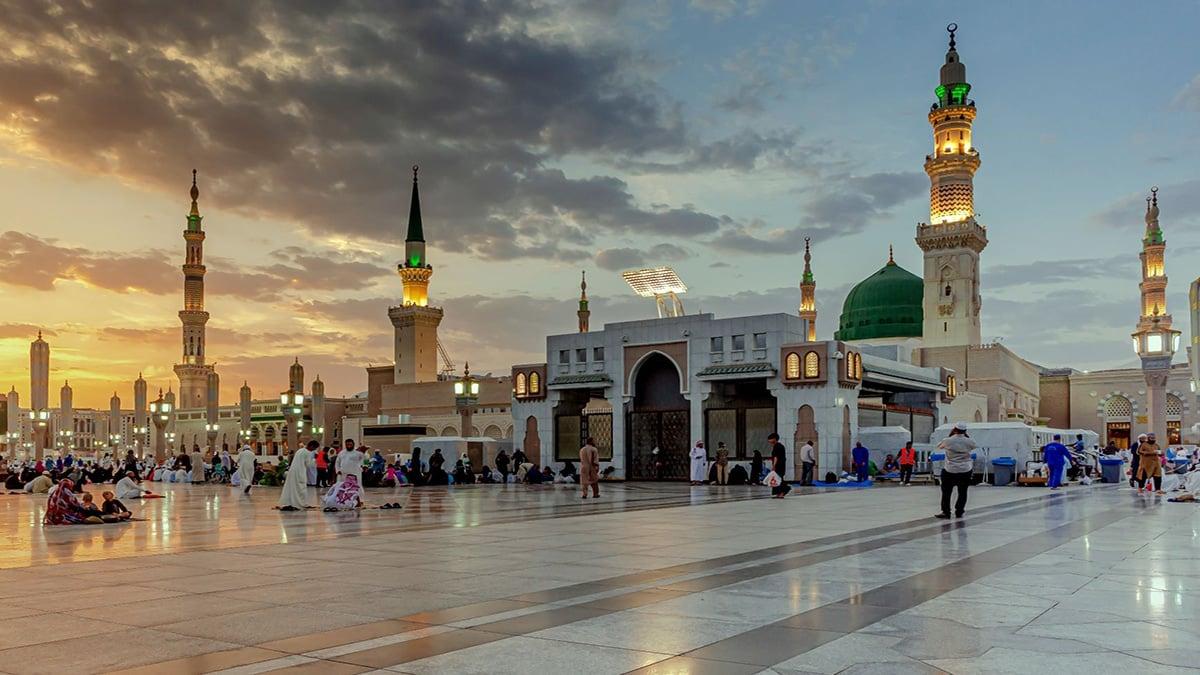
The Ministry of Awqaf continues its efforts to rebuild and develop mosques, announcing the opening of 69 mosques this Friday as part of a nationwide plan to provide a proper spiritual environment for worshippers.
The projects include the construction of 6 new mosques, renovation and rebuilding of 47 mosques, and maintenance and development of 16 others under an integrated expansion program.
The ministry stated that the total number of mosques opened since July 2025 has reached 643, including 500 newly built or renovated mosques and 143 that underwent maintenance and upgrades.
It also revealed that since July 2014, around 14,132 mosques have been developed and furnished at an estimated cost of nearly 25.7 billion Egyptian pounds, reflecting major investment in religious infrastructure.
The newly opened mosques are spread across several governorates including Ismailia, Beni Suef, Qalyubia, Qena, Sohag, Alexandria, Gharbia, Dakahlia, Assiut, Sharqia, Beheira, Monufia, Kafr El-Sheikh, Fayoum, Giza, Aswan, and North Sinai.
These projects aim to reduce overcrowding, improve services for worshippers, and connect urban development with spiritual growth across cities and villages.
The ministry confirmed that its strategy goes beyond construction to include improving religious discourse and preparing mosques as centers for awareness and community service.
For more details and latest news, follow Misr Connect.
Did you know there is a prayer between Maghrib and Isha that many overlook but carries immense reward? Learn about this prophetic practice and its virtues.
Learn key supplications for the opening of prayer, including Al-Istiftah, Tashahhud, and post-prayer forgiveness, to deepen devotion and seek guidance
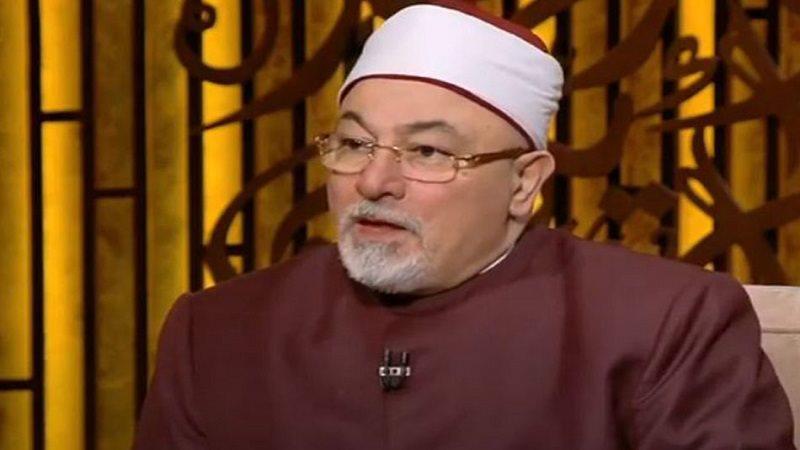
Sheikh Khaled El-Gendy highlights Ramadan as an opportunity to revive altruism, prefer others over personal desires, and embrace sincere repentance

After mid-Sha’ban night, learn the Islamic rulings on fasting the second half of Sha’ban, including what is recommended, allowed, and discouraged
