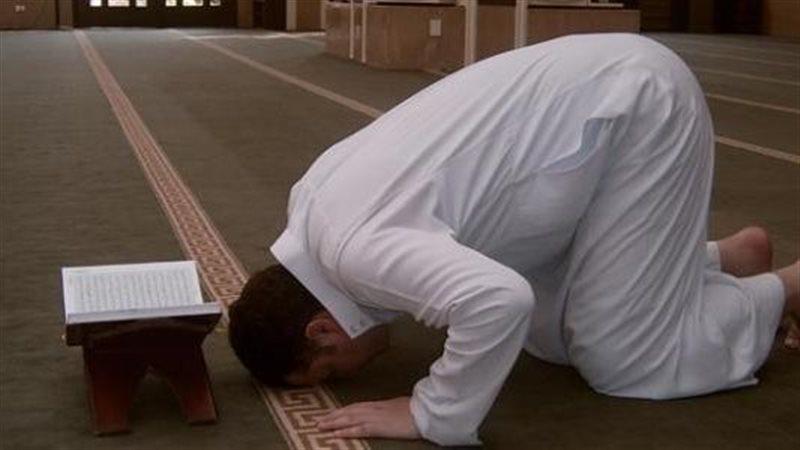

Sujood al-Sahw, the prostration of forgetfulness, is a merciful act of worship prescribed to correct unintentional mistakes in prayer caused by addition, omission, or doubt.
It consists of two prostrations, performed like normal sujood while saying “Subhana Rabbi al-A‘la”, and supplicating as one wishes.
Cases Requiring Sujood al-Sahw:
-
Addition: If an extra rak‘ah, bow, or prostration is performed, Sujood is done after salam, following the Prophet ﷺ who prayed five rak‘ahs and then prostrated.
-
Omission: If a sunnah or the first tashahhud is missed, Sujood is done before salam to complete the prayer.
-
Doubt: If uncertain about the number of rak‘ahs, Sujood is before salam when unsure, and after salam if one has a likely opinion.
Opinions of the Four Schools:
-
Hanafi: Always after salam, with a separate intention.
-
Maliki: Before salam for omissions, after for additions.
-
Shafi‘i: Always before salam.
-
Hanbali: Generally before salam, except when a rak‘ah is missed or the doubt is resolved—then after salam.
Purpose and Wisdom:
Sujood al-Sahw preserves the perfection of prayer and teaches humility, mindfulness, and mercy. It reminds believers that human error does not nullify devotion but can be corrected through sincere worship.
If Forgotten:
If one forgets Sujood al-Sahw, the prayer remains valid. When remembered, it can be performed at any time, as it aims to make up for minor lapses, not to repeat the prayer.